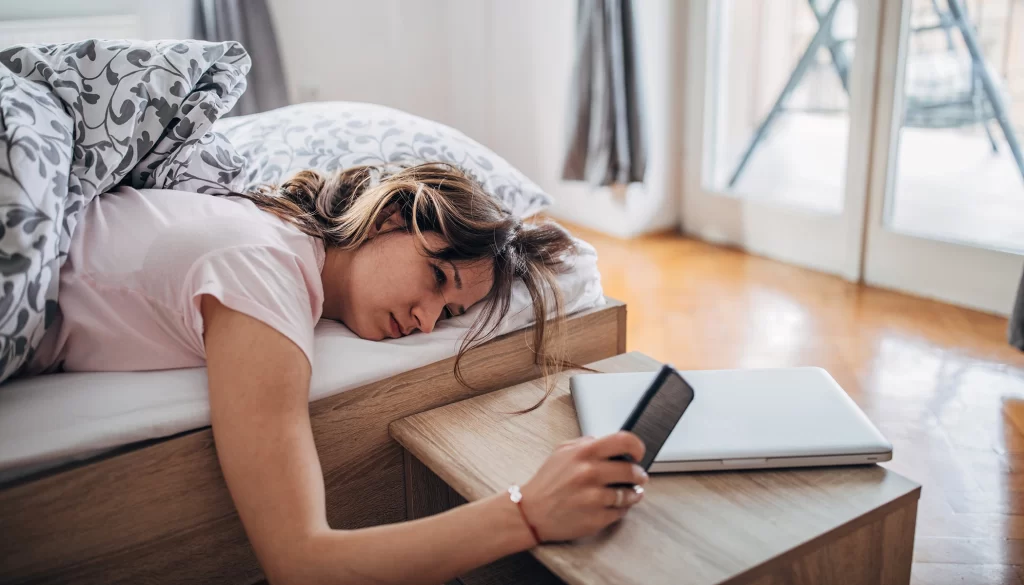
More and more people say they feel completely fatigued even when they don’t do much physical activity or have busy schedules. This strange case of being tired without doing anything has led to a lot of talk on social media and health forums. It shows that there is a quiet epidemic impacting professionals, parents, and those who work from home. Figuring out why everyone is weary even after doing “nothing” all day gives us important information about how modern lifestyle conditions are draining our energy reserves.
The Unseen Energy Drains of Everyday Life
Mental fatigue often seems like physical tiredness, which makes the brain think the body is fatigued when it isn’t moving. Being around digital screens all the time sends a lot of signals to the neurological system, which can overwhelm the brain and use up neurotransmitters like dopamine and serotonin quicker than rest can replace them. This “digital fatigue” is a big reason why many adults under 40 are weary all the time. Their brains are always getting notifications, emails, and social media feeds, so they never really get a break.
Stressors in the surroundings that aren’t visible on screens are also quite important. Bad air quality inside, changes in room temperature, and artificial light all mess with circadian cycles, making them feel like a full day’s work. For example, spending eight hours at a home office with low lighting can stop the body from making melatonin, making people feel tired by the end of the day even when they haven’t done anything. These things build on each other over time, which is why people who work from home often say they are exhausted even after doing “nothing” all day.
Quality of Sleep Over Quantity
A lot of people think that eight hours of sleep in bed can restore them, but broken sleep habits make this time useless. Sleep apnea and restless legs syndrome are two examples of conditions that can interrupt deep restorative phases. This can make you feel groggy during the day, like you’re always burned out. A lot of adults have trouble sleeping at least three evenings a week. This is generally because of “revenge bedtime procrastination,” which is when people scroll through their phones late at night after a day of doing nothing.
Also, the quality of the places where people sleep is quite important. Micro-awakenings happen all night when mattresses don’t support good spinal alignment or pillows don’t keep the neck in a neutral position. The body can’t rebuild muscle tissue or store memories without getting enough REM cycles. This keeps people waking up exhausted even after doing “nothing” all day and crashing early the next night.
Things that often keep people from sleeping:
Blue light from electronics can make melatonin take 2 to 3 hours longer to start working.
The half-life of caffeine might last up to 8 hours after you drink it.
Bedtimes that are not regular can change the cycles of your body’s core temperature.
Nutritional Deficiencies Causing Tiredness
What the body eats on days when it doesn’t do much affects how long it can keep its energy up. Eating a lot of processed meals and refined carbohydrates can cause blood sugar levels to go up and down, which makes people feel tired by mid-afternoon. Lack of micronutrients, especially iron, vitamin D, and B12, makes it harder for cells to get oxygen and make energy, which makes you feel more exhausted without doing anything.
People typically forget about their hydration condition. Even mild dehydration, which means losing only 1–2% of body water, can greatly lower cognitive function and physical endurance. Coffee and energy drinks can give you a short boost, but they make the problem worse by making you pee more and putting stress on your adrenal glands. If you’re wondering why everyone feels weary even after doing “nothing” all day, recording what you eat shows that skipping balanced meals in favor of snacks slows down your metabolism.
Experts say that to keep your energy levels stable, you should eat whole meals that are high in complex carbs, lean proteins, and healthy fats. For example, omega-3 fatty acids from fish or nuts lower inflammation, which can make you feel tired. Greens high in magnesium help with more than 300 biochemical activities that are related to ATP generation.
The Function of Persistent Stress and Emotional Burden
Invisible mental labor is more tiring than physical work. Keeping track of appointments, worrying about money, or thinking about what your family needs all the time activates the sympathetic nervous system, which raises cortisol levels. Even when you’re not working, this “stress fatigue” doesn’t go away because your brain stays in hypervigilance mode, which stops parasympathetic recovery.
This has gotten worse because of pandemics and economic uncertainty. Surveys show that many workers are burned out from having unstructured days at home. Women, in particular, do more “cognitive housework” than males, which makes them more tired even when their schedules are lighter. The mind never stops working, which is why everyone is fatigued even after doing “nothing” all day.
Mindfulness techniques help with this by lowering the HPA axis, which is the body’s main stress response system. Box breathing, which means breathing in for four counts, holding for four counts, exhaling for four counts, and holding for four counts, can quickly reset your autonomic balance and relieve stress.
The Surprising Effects of Being Sedentary
Strangely, sitting for long periods of time uses up more energy than moving around a little. Not moving about slows down blood flow, which makes it harder for oxygen to get to the brain and muscles. It also makes joints stiffer and weakens the muscles that keep you upright. Research shows that sitting for more than six hours a day can significantly lower productivity and make you feel more tired since your body slows down energy metabolism when it thinks you’re not doing anything.
This makes a bad cycle: being tired makes you less active, which makes you even more weary. Doing small motions, like standing every 30 minutes or pacing during calls, increases the release of endorphins and the operation of mitochondria. This explains why everyone feels fatigued even after doing “nothing” all day. Short bursts of activity bring back flow without using up all the reserves that are already low.
Medical and Hormonal Foundations
Conditions that are underlying often look like lifestyle tiredness. Thyroid issue slows down metabolism and makes you very tired, no matter what you’re doing. When ferritin levels are low, anemia starves tissues of oxygen. When gut dysbiosis causes chronic inflammation, cytokine storms suck energy.
Changes in hormones, especially during perimenopause or andropause, throw off the body’s balance of energy. “Adrenal fatigue” happens when cortisol levels drop because of long-term caffeine use or not getting enough sleep. This makes people crash in the middle of the day. TSH, HbA1c, and vitamin panels in blood tests make things clear by ruling out why everyone is fatigued even after doing “nothing” all day.
Endocrinologists or functional medicine practitioners can help you find these origins, which can often be treated with specific supplements or changes to your lifestyle.
Ways to Get Your Energy Back
The first step to breaking the cycle of tiredness is to check for hidden drains. For three days, keep a “energy log” where you write down how much time you spend on screens, how much water you drink, and how your mood changes.This will help you find the culprits. Set your circadian and metabolic rhythms by doing “energy hygiene” things like getting some sunlight in the morning and eating protein-rich breakfasts.
Midday resets are just as important. Follow the 20-20-20 rule: every 20 minutes, look 20 feet away for 20 seconds. You should also drink water regularly. After 8 PM, dim lights, herbal teas, and writing in a diary are great ways to clear your mind.
Supplements like ashwagandha (300 mg a day) lower cortisol levels a lot, while coenzyme Q10 boosts the output of mitochondria. When you combine these with regular sleep schedules, the benefits grow.
Changes to your lifestyle that last a long time
To get sustainable energy, we need to make big adjustments. Changing the layout of home offices to include ergonomic furniture, natural light, and plants can make the air better and your mood better. Reading, gardening, or doing puzzles are pastimes that can help you go into flow states and boost your dopamine levels without using screens.