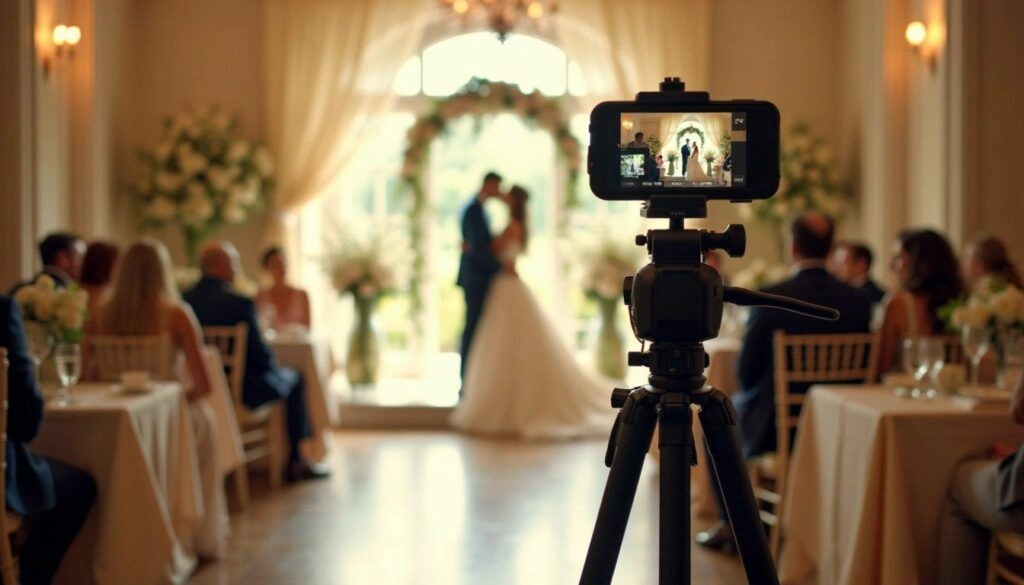
Luxury weddings have traditionally been a sign of riches and happiness, but viral videos of over-the-top events are making people fight more and more online. As social media makes these gatherings even bigger, people are pushing back because they are becoming more concerned about waste, unfairness, and excess amid a time of economic difficulty.
The Growth of Wedding Content That Goes Viral
Weddings happen all around the world because to social media platforms like Instagram, TikTok, and YouTube. In just a few hours, high-profile weddings with prominent guests, gorgeous gowns, and lavish setups garner millions of views. These movies have helicopter landings, custom fireworks shows, and celebrations that last for days and cost tens of millions of dollars.
After the outbreak, this trend picked up speed, and couples wanted to make up for lost time by doing large things. Weddings in India, which is a popular site for these kinds of events, bring in more than $50 billion a year to the economy. This has created a little business for videographers and influencers. But what starts out as something people want to see quickly becomes something that causes a lot of trouble.
Here are some of the most essential things:
Algorithmic amplification: Platforms put movies that make people feel something at the front of their listings. This helps luxury weddings reach more people.
Brides and planners show uncensored parts of their lives, which makes it impossible to distinguish the difference between real-life events and paid advertising.
A video from a home in Mumbai or a yacht in Dubai may become viral all over the world, which shows how varied cultures are.
The Parts of a Video That Caused a Lot of Talk
Think about the most recent viral hits: a billionaire’s daughter flew in on a private plane for a ceremony with 2,000 guests, gold-plated invitations, and a performance by famous singers from all over the world. People who were there shared the video, which went viral and had 100 million views. People were upset in the comments because they thought the person was showing off their wealth.
Things that are prevalent in these videos that make viewers pay attention:
Renting private islands for rehearsals, flower arrangements that look like those in botanical gardens, and dinners with strange foods like caviar with truffles in them are all examples of extravagant displays.
Celebrity cameos: Bollywood stars or tech millionaires dancing with the couple made the events feel like red-carpet parties.
Things that are wasteful: food that could have fed thousands thrown away or decorations hauled down after the party, all seen in follow-up films.
There was a lot of arguing over a video of a $15 million sangeet night in Rajasthan. Drones drew heart shapes in the sky, and guests got gifts with diamonds in them. People who put it together hailed it a “dream come true,” but detractors argued it was tone-deaf because food prices were going up.
Anger from the public and a storm on social media
There has never been more criticism online than there is now, with hashtags like #LuxuryWeddingWaste and #ToneDeafTycoons trending around the world. Some people say that these events make the gap between rich and poor even bigger. This is especially true when news from 2026 shows that incomes for the middle class have stayed the same and poverty is still a problem in developing countries.
People on the internet are breaking apart every frame and stating that the show doesn’t care about global problems, such the current supply chain issues that have made everything more expensive. People who don’t care about the environment believe that guests who fly in and out of town and throw away decorations are bad for the environment.People want to “eat the rich” when they hear of class strife, and they question why there is so much wealth while charities are having trouble.
Influencers also have to deal with people who pile on. A popular wedding content provider lost 500,000 followers after providing a “budget breakdown” that indicated they spent $2 million on lighting alone. Her claim that it created jobs didn’t hold up against viral edits that put the event next to video of slums.
The disparity is even clearer with numbers. Luxury weddings cost between $5 million to more than $100 million, with between 500 and 5,000 attendees, and each video gets more than 10 million views. But study from 2026 shows that only 35% of people think they are good. The average wedding costs between $20,000 and $50,000, has 50 to 200 guests, gets less than 100,000 views, and gets 85% good feedback.
Cultural and Economic Factors That Cause Debate
Weddings are a huge aspect of life in nations like India and the UAE. They combine the old with the new. People spend all of their savings on parties that represent for riches and camaraderie. But as cities grow, the middle class’s ambitions grow, and social media illustrates how vast the divide is between basic weddings and extravagant ones.
The wedding business in India is doing well; it employs 35 million people, from caterers to jewelers. But the luxury industries receive too much of a share; the top 1% of events account for 25% of all spending. People are upset over this, and analysts say that “wedding inflation” is going up 15% faster than the total CPI every year.
There are things that are the same all throughout the world. People are just as upset about celebrity weddings in the U.S. that get a lot of press. People were upset about a vow renewal ceremony in Napa Valley in 2025 that included elephants from another nation. The hashtag #BoycottLuxuryWedding was used. French chateaus in Europe that held high-profile gatherings became hot spots for geopolitical stress.
Worries get louder when experts speak. Sociologist Dr. Priya Sharma adds, “These videos aren’t just for fun; they show how unfair the world is in a world that is very connected.”” Raj Patel, a marketing analyst, says, “Brands that sponsor these kinds of events risk hurting their reputation because consumers want ethical alignments.”
Moral and Environmental Issues
People that look more attentively at sustainability are more likely to push back. One fancy wedding releases 200 tons of CO2, which is the equivalent as 400 flights back and forth. Florists send orchids by plane from Thailand, and stylists send couture by plane from Paris. A lot of things ends up in landfills after the event. According to audits from the industry, 40% of decor ends up there.
Mistakes in morals make things worse. Labor groups say that workers are not being paid enough to work 18-hour shifts at these galas. Animal rights groups don’t like it when people ride elephants or take selfies with tigers in popular videos. A famous movie shows a leopard being “gifted” to a cage at a party, which led to protests by conservation NGOs.
Some couples use biodegradable invitations or carbon offsets to make up for them. But skeptics think things are flashy because they are so extravagant at their core. These kinds of movies go against calls for everyone to be more frugal as climate summits hit the news.
What Influencers and Platforms Do
Big social media businesses have to take on some of the work. Algorithms are used by both TikTok’s For You Page and Instagram’s Reels feature to highlight “wow-factor” videos, no matter what. A leak from inside the company in 2026 indicated that wedding videos get three times as many views as news videos.
Influencers make money from all the excitement by putting links to venues, clothing, and planners in their descriptions.The top creators get paid $50,000 for each sponsored piece, which makes it impossible to distinguish the difference between news and ads. Backlash has led to shadowbans, and luxury tags now show feeds with both good and bad comments.
Officials are considering about getting involved. The EU’s Digital Services Act looks into “harmful amplification” of controversial content and might fine platforms for spreading it too much.
Changes in wedding trends and how the industry reacts
Pushback is changing the game. According to mid-tier planners, “quiet luxury” bookings, which are lovely but not ostentatious, are up 30%. More and more couples use PR firms to handle their feeds, but they don’t say how much they spend.
Changes in the business include transparent budgeting by making job creation figures public (for example, one event hires 5,000 locals), charity tie-ins that provide some of the proceeds to famine relief, and virtual aspects like livestreams to cut down on visitor travel.
A tech heiress’s wedding in 2026 had decorations that could be reused and donations to food banks. It gained a lot of attention and 50 million positive views.
Effects on society as a whole
This detailed inspection demonstrates that civilization has bigger concerns. Oxfam’s research from 2026 shows that the richest 0.1% of people own 20% of the world’s wealth. Viral videos make rage evident, which helps populist ideas spread.
But occasionally nice things do happen. Debates attract attention to changes in the industry, like fair pay and methods that are better for the environment. Couples are putting content ahead of show more and more. Forty percent of millennials said “authenticity” in surveys.
Why extravagant weddings are gaining a lot of attention online: wedding films that go viral