
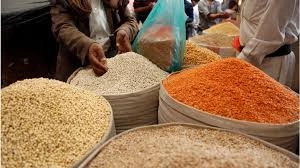
Food costs have risen to unprecedented levels in undeveloped countries, exacerbating hunger and economic instability amid a succession of global crises. This issue puts millions of people at danger of starvation and poverty, thus solutions need to be put in place immediately once.
What made it go up
Extreme weather events related by climate change have destroyed crops in Africa, Asia, and Latin America. In critical locations, the yields of staple crops dropped by a lot last year. Conflicts in Ukraine and the Middle East made global supply chains tighter and boosted the cost of imports for nations that buy more food than they export, such Egypt and Nigeria. This hurt grain exports. At the same time, higher energy costs made farming and transportation more expensive. In many regions, the price of fertilizer doubled because of sanctions and a lack of supplies.
The price of wheat went raised a lot from one year to the next, which harmed the countries that rely on Black Sea imports the most. According to agricultural estimates, maize production in sub-Saharan Africa has gone down a lot. Prices for edible oils went up a lot because of droughts in Southeast Asia that rendered palm oil hard to find.
In countries like Pakistan and Ghana, currency devaluations made these difficulties much worse since they made food imports that were priced in dollars too expensive.
Effects that are not the same on developing economies
Developing countries are hurt the worst since they spend a lot more of their household budgets on food than rich countries do. In India and Bangladesh, this means that consumer price indexes go up right away, which makes it tougher for the poorest 20% to buy products. Some of the most at-risk populations are smallholder households, rural farmers, and people who live in urban slums. They are really hungry, and the number of individuals who are not getting enough food has been going up quickly since 2024.
Ethiopia’s food prices climbed to very high levels, which caused social unrest, and Zambia’s staple prices tripled. This is a good example of the problem in sub-Saharan Africa. In Latin America, Venezuela and Haiti went through hyperinflationary spirals that made it harder for people to get the calories they needed. These trends make the differences that already exist worse, since women and children are the ones who are most harmed by not getting enough calories and micronutrients.
Regional differences indicate how countries that depend on imports are more likely to be hurt. The Middle East/North Africa and Sub-Saharan Africa have the highest rates of poverty and food costs going up.
The Speed Up of Climate Change
In South Asia, monsoons that came and went caused a lot of damage to rice and sorghum farms. In the Horn of Africa, long droughts did the same. Reports predict that these kinds of disasters will get worse, and nations that aren’t very developed and don’t have appropriate irrigation infrastructure would have a far higher likelihood of crop failure. Bangladesh and Vietnam’s coastal farmlands are becoming salty as sea levels rise. This puts a lot of the world’s rice output at jeopardy.
Policies in rich countries that support biofuels take land away from food and divert it to ethanol, which makes the supply even tighter. At the same time, outdated farming methods in poor countries don’t use strong seeds or new technologies, which keeps the differences in production going.
Problems with the supply chain and tensions in geopolitics
Because big exporters were providing less grain, countries like Somalia had to pay more for grain from alternative sources. Costs went raised a lot because of this. Attacks in the area made the port crowded, which delayed perishable commodities and made them rot on the way. Markets that don’t have futures hedging can’t protect themselves from abrupt price movements.
Energy inflation makes things worse. In Kenya, the price of fuel for vehicles went up a lot, which made it more expensive to supply vegetables. Small firms, which are common in informal economies, charge their clients directly for their costs.
Weaknesses in structure and policy
Many states stopped sending critical goods to other countries, which made the world’s shortages worse. In nations like Nigeria, price controls muck up markets, which causes people to hoard goods and create black markets. Estimates from throughout the world show that safety nets that aren’t properly funded don’t help many people who need them.
Fiscal limits make it hard to give out subsidies. In states with low incomes, paying off debt takes up a lot of the budget, which makes it hard to invest in farming. Poor storage infrastructure leads to large losses after harvest, which is a hidden way that inflation spreads.
Experts think that climate-smart farming and trade deals that cover a lot of ground are good solutions. Investing in resilient agriculture could save a lot of money in the long run.
Health and Social Effects
Malnutrition instances went up a lot in emerging areas, which kept millions of kids from growing. People protested because the price of bread was going up, and in certain cases, governments were overthrown. Women spend more time each week getting food, which takes time away from school and employment.
Diet-related diseases place a lot of strain on health systems, and in some poor urban areas, there are strange connections between being overweight and not having enough food. persons who worry about food are more likely to be depressed, which makes the number of persons with mental health problems go higher.
The rise in child stunting in East Africa, the doubling of maternal anemia rates in conflict zones, and the rise in school dropouts in South Asia because of malnutrition are some of the most serious issues.
Responses and Gaps All Over the World
Recent changes in how aid is given have made domestic initiatives more important in key donor countries. This has led to fewer shipments to places that need it the most. International credit programs need people to be frugal, which includes cutting back on subsidies. Philanthropic efforts focus on improving seeds, but they don’t necessarily succeed on a wide scale.
Regional groups look at shared stocks, but the subject isn’t getting enough attention.
Ways to Move Ahead
Localized solutions are showing promise: in some parts of East Africa, crops that can resist drought have cut down on the need for imports. Digital marketplaces in East Africa keep prices steady by using data that is current. More and more individuals are asking for pooled monies to aid farmers who are in danger.
Two examples of agroecology that can improve the environment and boost crop production are intercropping and collecting rainwater. Changes to trade that make it simpler to sell goods and debt relief for countries that don’t have enough food are crucial steps.

