
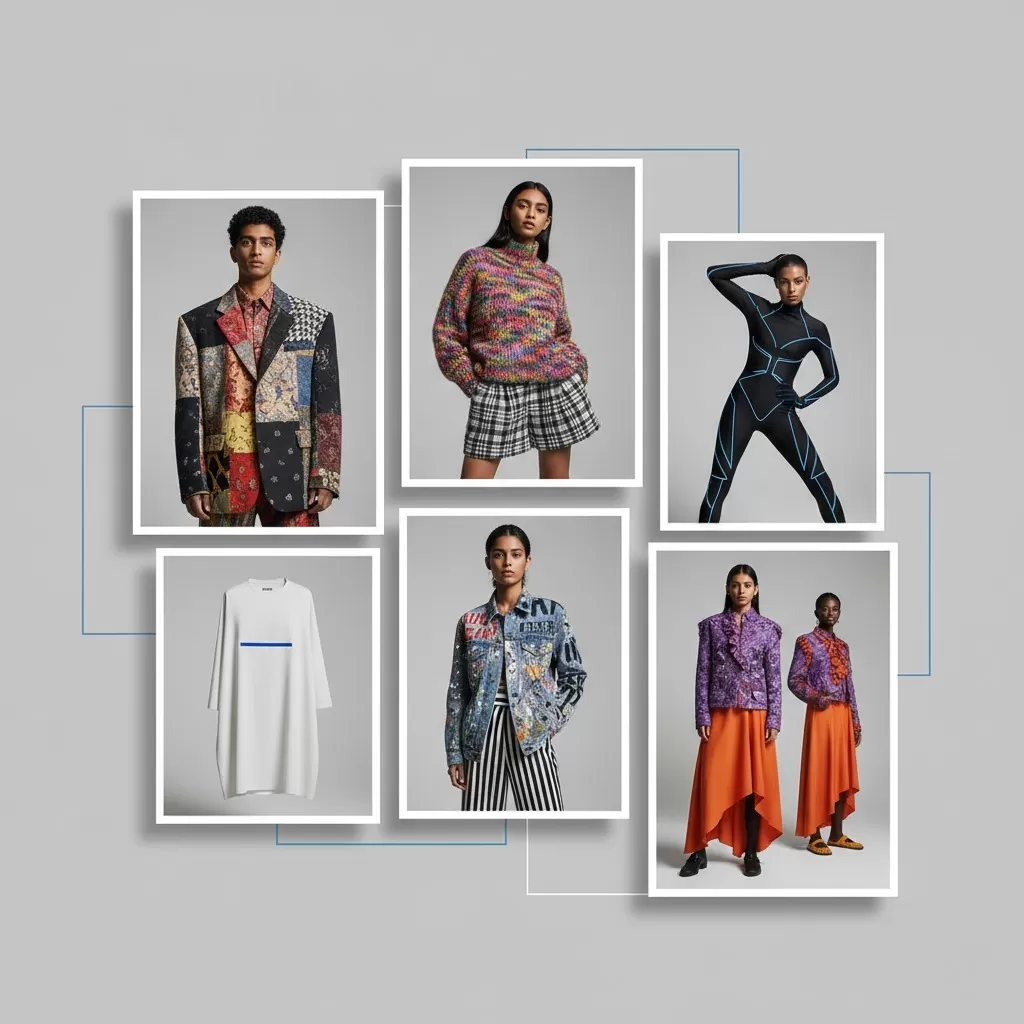
People are less interested in fast fashion since prices are going up and they care more about the environment. But garments that are good for the environment are altering wardrobes all around the world. A lot of individuals are renting clothes right now, especially Gen Z shoppers who would prefer rent items than own them. Platforms like Rent the Runway and new resale giants reveal that their membership is expanding by more than 40% every year, and this will remain happening until early 2026. People who are sick of costs going up want good garments that don’t cost a lot of money. This rental revolution isn’t just a trend; it’s a big transformation in how people shop that includes being aware of others, being good for the environment, and saving money. Every year, the price of new things goes up 15–20% because of problems in the supply chain and the need for ethical sourcing. Because of this, young people are picking things that are good for the environment and can be changed instead of things that will endure forever.
A lot of people are converting to rental fashion because prices are rising up.
A lot of people used to have jeans, t-shirts, and dresses in their closets all the time, but today these are expensive items. Clothing was hit the hardest by inflation in 2025. The price of a standard cotton shirt went climbed by 18% on average over the world. Things that are made in a fair way cost extra because of standards for labor ethics. Because of droughts in significant countries like the U.S. and India, it cost more to create cotton. Gen Z is entering a labor market that is tight since the economy isn’t stable and wages aren’t rising as quickly as prices. A Deloitte survey from 2026 found that 62% of those aged 18 to 27 claimed that “rising prices for new clothes” is the major reason they want to rent or buy old clothes.
There are also changes in culture along with this economic burden. People used to think that possessing things demonstrated how important they were, but now it feels like a burden. People who use clothes rental apps can acquire hundreds of outfits each month for a lot less money than if they bought them themselves. They usually pay between $50 and $150 instead of $200 or more. Platforms choose a lot of different things, like designer brands and high-end businesses. This means you can buy garments that are beneficial for the environment without having to make a long-term commitment.
The rental boom: data that explain how it happened
The numbers show what this modification means. According to Statista’s new trends for 2026, the global clothing rental market will expand by 22% each year and be worth $7.2 billion by 2030, up from $1.8 billion in 2023. Last year, for the first time, the U.S. sold more secondhand clothes than cheap ones. Things that were sold again made $53 billion in sales.
Environmental Imperative: The major purpose is to manufacture clothes that don’t hurt the environment.
Our wallets need to change, but so does the world around us. Every year, 92 million tons of clothes are thrown away. That’s like throwing out a truck full of clothing every second. Fast fashion is really expensive. Renting garments that are beneficial for the environment makes them last longer. They wouldn’t have to produce as many new dresses if 50 people wore the same one.
The brands are in charge. Patagonia’s Worn Wear program patches and sells items, and H&M’s rental pilot in Europe contains loops that don’t waste anything. A McKinsey survey found that 78% of Gen Z, who grew up with climate action, like brands that let them rent things. New technologies, like fibers stored on a blockchain, help stop greenwashing by verifying sure things are real.
Experts stress the effect. “Rentals cut per capita consumption by 30%, which directly addresses overproduction,” argues Dr. Lena Chen, a fashion economist. Experts in materials, on the other hand, say that recovered synthetics can be rented and used with 70% less water than new materials.
What Gen Z Thinks About Culture, Social Media, and Status
What sets Gen Z apart? They are digital natives who are transforming what is cool. #RentalRevolution is everywhere on TikTok and Instagram, where influencers show off eco-friendly products and garner millions of views. New hashtags like #WearItRentIt grow trendy every week. They blend worn clothes with feelings against buying goods.
Renting things is a terrific method to bring people together. Apps that help you style clothes virtually connect people together around shared wardrobes, turning fashion into a service instead of a thing.Dr. Maya Rao, a psychologist, says, “This generation values experiences over things—renting outfits for events shows that.”
People also adopt to stand out from the crowd. Renting expensive clothes makes them easier to buy. You can rent a dress for $100 a night, for example. There are more and more plus-size and gender-neutral options, and 45% of people think that’s what draws them in.
There are still issues, though. People are still worried about cleanliness, yet polls show that professional cleaning and UV sanitization fix 95% of the problems. Twenty percent of people who are trying on clothes for the first time get upset when they don’t fit right. This is why fit technology powered by AI is being used.
How Brands Are Adapting to the Rental Model
People who have played in the past can change course fast. Levi’s started Levi’s Rental in 2025. It partnered with subscription services to send out denim drops. Zara Pre-Owned, the company’s resale arm, makes it look like new and used items go together by mixing rental credits with them. New businesses are performing well. FlytR, which is based in India, has grown by 300% in Pune and Mumbai, keeping up with local demand even while clothing prices have gone up by 25%.
To get rid of deadstock, businesses are employing hybrid models that include buy, rent, and return loops. Investors are putting a lot of money into rental technologies.Last year, they put in $500 million, and after the IPO, companies like Rent the Runway were valued $1.7 billion.
But scalability is still a problem. Shipping emissions go climb when individuals ask for refunds, and logistics impose a lot of stress on supply chains. Localized micro-warehouses cut delivery times to 24 hours and carbon footprints by 40%.
Rental Waves Around the World: A Look at What’s Happening
The rental revolution isn’t unfolding the same way in every place. YCloset in China boasts 10 million users in Asia, largely young adults who live in cities and are like Gen Z. India’s sector is still rather new, but it’s growing quickly.Experts say it might be worth $200 million by 2026. As the price of cotton goes up, sites like Rentomojo are starting to sell clothes.
The EU has rules on the environment, and these rules make leasing incentives more tempting. This has caused a 25% increase in adoption in Scandinavia. In Lagos, Nigeria, the culture of thrift has transitioned into app-based rentals, which are a mix of old and new methods of doing things.
Things that get in the way and fresh ideas come up
There can’t be a revolution without some problems. Some people don’t like “wear and tear” on things they rent because they think it makes them less valuable. But statistics show that rented products only lose 20% of their value after each cycle. stuff may go more slowly when the economy is bad, but being able to buy stuff helps keep things going.
AI stylists can estimate what customers want with 90% accuracy, and with VR try-ons, you don’t have to send anything back. People trust blockchain because it keeps promises of long-term use.

