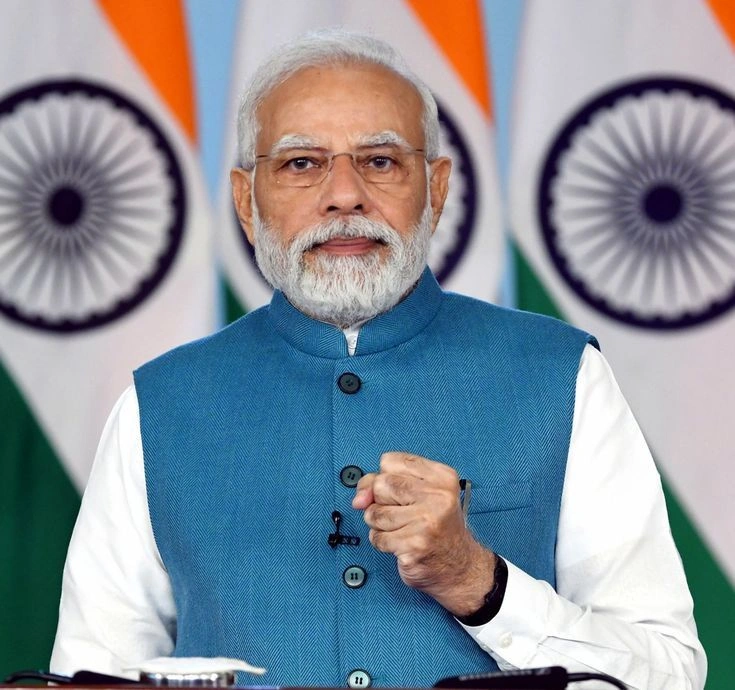
This will be Prime Minister Narendra Modi’s first trip to Israel in nine years. He plans to go there on February 25–26, 2026. As tensions escalate in the area, this has led to new talks concerning the relationship between India and Israel. Members of the Indian Parliament and leaders of the opposition are keeping a careful eye on when this important diplomatic meeting will happen, as West Asia contends with weak ceasefires in Gaza and the threat of war with Iran.
A precise strategy and what you may expect to happen: Modi will fly from Air Force Station Palam to Ben Gurion International Airport. There, he will chat to Netanyahu at the delegation level, speak to the Knesset, and meet with President Isaac Herzog. There will be a technology fair, a trip to the Yad Vashem Holocaust memorial, the signing of memorandums of understanding (MoUs), and contacts with the Indian-Jewish community.
A deal for between $8.6 billion and $8.7 billion for precision-guided bombs like the Spice-1000, Rampage missiles, loitering munitions, and radars is expected to be reached. There may be progress in talks over a Free Trade Agreement, working together on AI, managing water, and Netanyahu’s “Hexagon of Alliances,” which is a group of countries that work together to fight extreme threats. Greece, the UAE, and India would all be important members of this alliance. Atmanirbhar Bharat shows how much India wants to be able to defend itself.
Things are getting worse in West Asia.
West Asia is still a powder keg in early 2026. The truce in Gaza, which was struck when combat stopped in October 2023, is falling apart since Israel is doing operations in northern areas like Zeitoun and Shuja’iyya that are beyond the “yellow line.” The Health Ministry of Gaza says that more than 71,000 Palestinians have died and 171,000 have been wounded since 2023. Hundreds of people have died in recent strikes, even though people are trying to achieve a ceasefire.
Examples of bigger flashpoints include Israel’s actions against Hezbollah in Lebanon and Syria, Houthi attacks in Yemen, and US military deployments that demonstrate Iran might get worse. Experts fear that things would grow “deeper unstable” if the US and Iran don’t talk to each other or the UN doesn’t issue any resolutions. This is happening because Turkish and Chinese powers are moving into the Red Sea and Horn of Africa. India’s energy security is under danger because it gets 60% of its oil from the Gulf.
India’s Parliamentary Review
There are a lot of doubts in India’s Parliament about when the visit would take place. Shashi Tharoor leads the Standing Committee on External Affairs, which is worried about the dangers involved. Indians are being advised to leave Iran, and there are fears of more fighting between Israel and Iran. Jairam Ramesh, a top member of Congress, warned that the Modi government has turned its back on the Palestinians. He said that India recognized Palestine in 1988 and compared that to what he observed as a lack of noise about the deaths in Gaza.
Protests against the event say it should be canceled because of India’s history of opposing colonialism. Critics are also angry because Netanyahu disclosed the dates ahead of time, which is not how things are supposed to be done. The Foreign Secretary, Vikram Misri, stressed that security will be the main factor in preparation, but he didn’t commit to cancel anything. If Supreme Court President Yitzhak Amit doesn’t show up, Yair Lapid, the head of the opposition in Israel, says he won’t go to the Knesset. This has to do with the current arguments for changes to the courts.
Some of the biggest concerns are the security risks in the area from the growing amount of strikes in Gaza, threats from Iran, and the US’s growing military presence. There are also worries about procedural difficulties, such as foreign declarations arriving before India’s, the apparent desertion of Palestine despite earlier support, and the symbolic implications of doubting India’s balanced diplomacy.
Wider effects on world politics
India is getting more powerful in West Asia, where it deals with energy, its diaspora (9 million Indians), and fighting terrorism. Success could lead to technology that stops drones, especially because the Houthis are threatening shipping passages that are essential for 80% of India’s oil imports. If you don’t do what you say, your Arab friends might stop helping you, which would make matters worse for the Quad because President Trump is so hard on Iran.
Why Parliament is Asking About the Timing: PM Modi’s Trip to Israel While Tensions Are Rising in West Asia