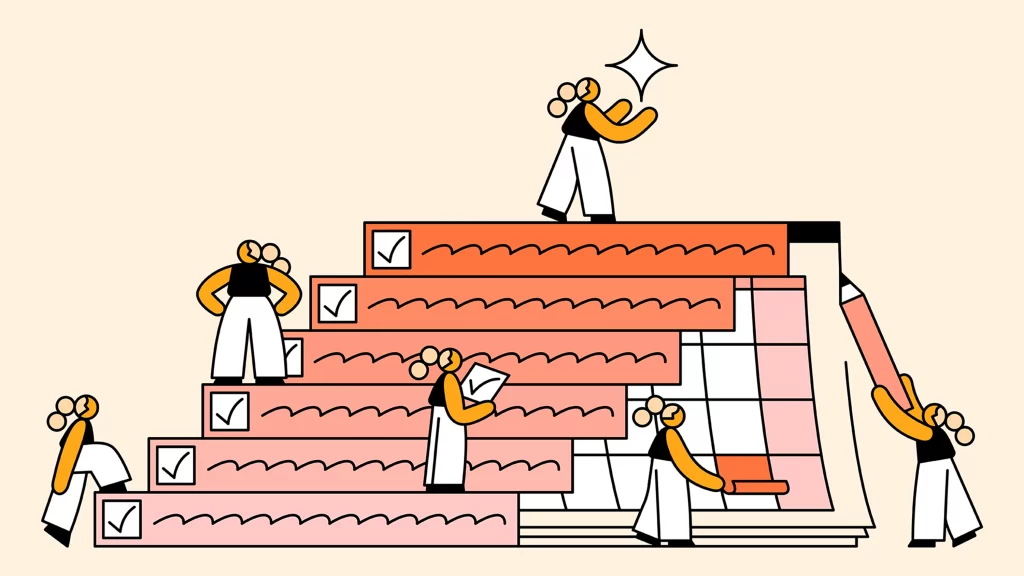
As January 2026 drags on, most people start to lose interest in their New Year’s resolutions. Most of the time, making grandiose commitments to transform your whole life doesn’t work. But doing small things every day could change your life for good. Psychological studies constantly show that doing small tasks on a regular basis is better than doing them only now and then.
The Issues with Big Goals
People give up because they make too many huge New Year’s resolutions. Your brain may not be able to handle huge ambitions, such completely changing your diet or training routine. Studies reveal that more than 80% of New Year’s resolutions are broken by mid-February because people lose their drive when they are stressed.
This kind of thinking makes you feel like you’ve failed completely after one mistake, which makes you give up. People feel bad about what they did wrong and don’t believe in themselves very much. Small daily habits, on the other hand, don’t do this because they focus on making progress instead of being perfect and building up slowly.
Neuroscientists argue that habits form in the basal ganglia when they happen again and again, which means you don’t have to think about them. Big goals take a lot of mental energy to keep up with. On the other hand, small habits become second nature over time.
Science that supports small things
James Clear’s philosophy of making 1% gains every day shows that small victories can lead to huge ones. If you want to finish a novel in a year, writing 300 words a day is a lot better than writing for hours at a time.
B.J. Fogg’s Tiny Habits framework starts with easy chores that take less than 30 seconds, like flossing one tooth, to make sure you do them and get a burst of dopamine. According to Stanford’s study, this method helps people stick to their goals 80% better than the typical manner of making goals.
One of the most significant notions is the cue-response-reward cycle. It claims that things that happen make people do things that make them happy. Progress frequently stops at first, just like ice does when it gets to 32 degrees Fahrenheit. But then it gets to a very significant point that alters everything very quickly.
These rules apply to everything. For instance, those who want to be healthy get more out of walking every day than going to the gym once a week, and people who want to get rich make tiny deposits on a regular basis.
Changes in the Real World
By sticking to simple practices, people do extraordinary things every day. A professional in Maharashtra dropped a lot of weight over the course of a year by drinking water instead of a sugary drink every day.
Kobe Bryant and other players use free throws after practice to make their routines into amazing performances. When people who work at a computer firm are stressed, their bosses advise them to go for short walks to help them come up with new ideas.
You should stare 20 feet away for 20 seconds every 20 minutes. For good eye health, follow the 20-20-20 rule. This will help you stay awake and get more done while you work from home in 2026. Students who were studying for tests read just five pages a night, which helped them remember what they already knew so they could do well.
Even when things were hard, writers like J.K. Rowling persisted writing 500 words a day and finished well-known series. CEOs like Jack Dorsey would meditate for a few minutes every morning to help them stay focused when they were in charge.
Things that go in the way of big goals
You could get decision fatigue if you establish too many goals. This happens when the prefrontal brain gets tired from having to make too many decisions. People put things off a lot more when they don’t know what they want to do. Actually, 20% of people do it all the time.
Social media makes this worse by showing individuals big changes that make them compare themselves to others in ways that aren’t fair. Behavioral economics teaches us how to adjust our environment to make it simpler to exercise, such putting running shoes at the entrance.
Richard Thaler thinks that nudges help people make choices without having to rely on short-term motivation. Instead of merely being strong, it’s best to get rid of items that tempt you, like junk food.
How to Make Good Habits
The two-minute rule recommends to break your goals down into smaller steps so you can get started right away. You may meditate by taking a deep breath, for instance. Habit stacking links new habits to old ones, like stretching after coffee.
Jerry Seinfeld’s “don’t break the chain” method keeps you going by keeping an eye on what you’re doing. Add one minute to the time you spend on it each week as it becomes a habit.
How to Find Long-Term Gains
Duhigg’s golden rule is that if you want to alter who you are, you need to adjust your routines and keep the things that trigger you and reward you. Want to eat? Choose fruit to make you feel better in a healthy way.
Walking every day can lower your risk of heart disease by 30%. If you have a routine, you might be able to get 25% more done in the morning. When the economy shifts in 2026, small amounts of money might build up quickly.
How to Handle Common Problems
You get inaccurate information when you measure the top of a plateau. Instead, look at things like the length of the streak compared to the weight of the scale. “Good enough” keeps things moving, while perfectionism stops them.
It’s important to think ahead for difficulties that could come up during the holidays, such drinking too much herbal tea after a festival in India. Because willpower is always stronger than your environment, make sure it’s ready for success.
How it changes society and culture
Japan’s kaizen, which means making small improvements all the time, maintains the economy robust. Schools that teach kids how to be healthy have higher graduation rates all across the world.
Mindfulness for short periods of time is a sort of micro self-care that can help people prevent burnout in the age of AI. Using reusable daily items could help people cut down on plastic waste by a lot.
The oceans would be a lot better off if a billion people stopped using single-use bags.
Final thoughts
It’s preferable to make small adjustments every day than to make big New Year’s resolutions since small changes happen on their own. They say that proof shows they make people healthier, more productive, and richer in ways that build on each other. Make a modest change now that will have a major impact on your life in 2026. Being constant makes everything possible.