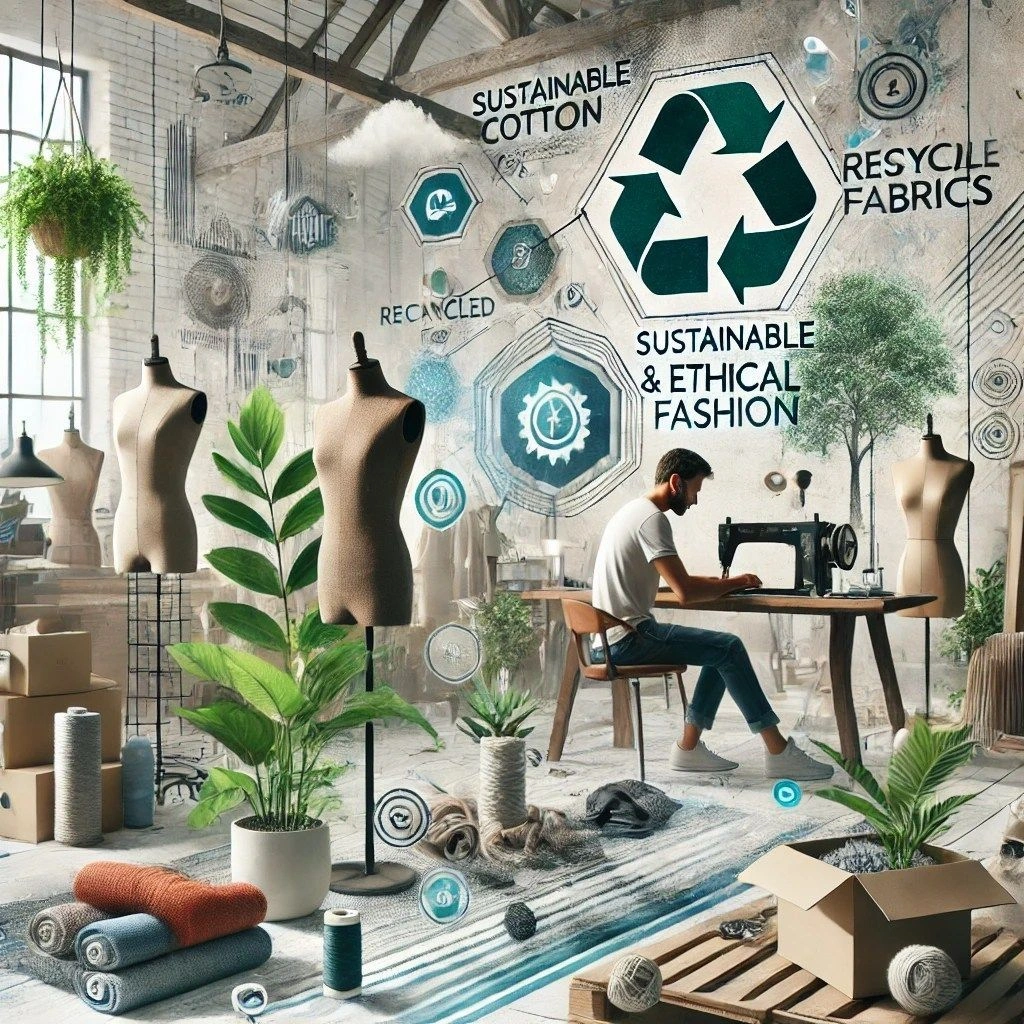
Young people are making eco-friendly fashion very popular, which is placing eco-friendly solutions ahead of the conventional way of doing things in the market.
Young people, especially millennials and Gen Z, are fighting for eco-friendly fashion with a fervor that has never been seen before. This is having a huge impact on the fashion industry. This trend illustrates that people’s values are changing in a deeper way, where caring about the environment is connected to how they dress. More than 40% of people who buy green clothes are in these groups, therefore brands need to adjust or they will become obsolete in a market that is increasingly more focused on ethics and honesty.
The growing interest in eco-friendly fashion
Young people speaking out for it has turned sustainable fashion from a minor interest into a big trend. Experts believe that by 2027, the market for eco-friendly apparel will be worth $15 billion, and sales will climb by double digits every year. Young people who learn about things from social media and films don’t like how wasteful fast fashion is, so they select long-lasting, eco-friendly options instead.
Gen Z is ahead of the game by perceiving buying things as political statements. About 73% of consumers stated they would pay more for products made from organic cotton, recycled fabrics, or novel materials like mushroom leather. They want verification that the products were made in a way that is fair, such as using low-water dyeing methods and getting fair labor certifications. This raises the bar for the whole industry.
There are a few elements that make this procedure go faster. Through campaigns like #SustainableWardrobe, which get billions of people participating, social media sites boost awareness and make it more common to buy secondhand clothes. Regulatory pushes, like stronger eco-labeling standards in Europe and Asia, make people respect the rules. In the meantime, big stores are offering lines of affordable, eco-friendly clothing, making ethical fashion available to both students and young workers.
Cities in locations like India are where local cultures and green technology meet. More and more people are wearing recycled kurtas and handloom saris created using no waste technologies in cities like Pune. These garments mix old-fashioned styles with new thoughts on how to be good to the environment.
What makes individuals buy items and how they behave
Young people buy clothes that are beneficial for the environment because they want to be part of a community, they care about the environment, and it’s easy to do. They want to leave as little of a mark as possible after learning frightening data about the industry’s carbon emissions, which are similar to those of global aviation. People are motivated to act by waste numbers, such the 92 million tons of textiles that are thrown away every year.
More than 60% of people say they wish to reduce trash, which is one of the key reasons they do this. Another factor is social equality, since consumers don’t buy from companies that take advantage of their workers. Finally, using products that don’t contain chemicals is good for your health. People under 25 are the most likely to utilize resale apps, which have seen a 150% increase in transactions each year. This generation enjoys the circular economy.
Rental models change habits even further by providing trendy products for special occasions, which can cut down on personal ownership by up to 80%. Thrift culture is still going strong, with pop-up marketplaces in places like Pune drawing people who want unique, low-impact things. These acts not only cut down on consumption, but they also give purchasers a sense of control because they can see where items come from and where they go.
Issues in the sector and how brands deal with them
Fashion companies that care more about sales than ethics have a hard time scaling sustainability. The reverse of fast fashion’s low prices is that high-quality materials and ethical sources raise expenses by 20–50%. When the supply chain isn’t clear, things get worse, and it’s impossible to identify real accountability.
Big brands strike back with strong actions. Outdoor businesses try to keep customers by offering repair and resale programs that promise to make garments last longer. Luxury brands employ animal products, but other brands can do the same thing. Companies that make sports clothes turn plastic from the ocean into shoes, which keeps millions of bottles out of the water.
Young people are making clothes more environmentally friendly. A change in generations is transforming the industry.