
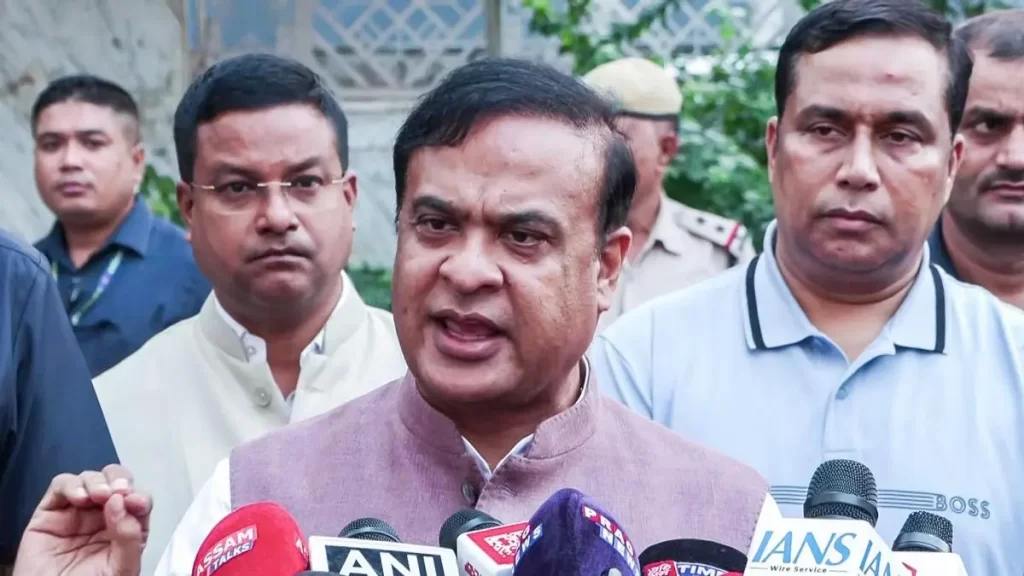
In a decisive move for social reform, the Assam state cabinet has approved the Assam Prohibition of Polygamy Bill, 2025, which seeks to outlaw polygamy across the state and introduce a dedicated compensation fund for women who have been victims of polygamous marriages. Announced by Chief Minister Himanta Biswa Sarma on November 9, 2025, the legislation marks a major milestone in the state’s efforts to strengthen gender justice and marital law reform.
The bill, cleared by the cabinet for introduction in the upcoming assembly session scheduled for November 25, 2025, proposes to make entering into a second or subsequent marriage while an earlier spouse is living punishable by up to seven years of rigorous imprisonment. The offence is to be treated as non-cognisable, meaning immediate bail will not be easily granted. This move aims to create a strong legal deterrent against the practice, which has long caused financial and emotional distress among affected women.
In parallel, the legislation proposes setting up a special compensation fund for women adversely affected by polygamous practices, recognising the severe social and economic harm such marriages may inflict. The exact mechanism of compensation, including eligibility and disbursement procedures, will be determined once the bill is enacted. The fund aims to provide financial security and rehabilitation support to women who are left vulnerable after being victims of polygamy.
The bill includes certain exemptions, stating that it will not immediately apply to tribal communities in the state’s Sixth Schedule areas such as Bodoland Territorial Region, Karbi Anglong, and Dima Hasao, or to scheduled-tribe populations whose customary practices permit multiple marriages. Minority Muslim residents in Sixth Schedule areas before 2005 will also be exempt from the law’s application. The government has emphasized that the bill’s intent is not to interfere with traditional customs but to establish a uniform legal framework against polygamy where applicable.
Chief Minister Himanta Biswa Sarma stated that the law seeks to “save society from the scourge of such practices” and ensure “lawful and equitable marital relationships.” The government has described the measure as a progressive step toward protecting women’s rights and promoting gender equality. From a policy perspective, the bill reflects the state government’s broader agenda of initiating social reform and strengthening women’s empowerment ahead of the 2026 Assembly elections.
Analysts suggest that by combining criminal sanctions with a victim compensation mechanism, Assam is positioning itself among the frontline states addressing marital rights and gender equity. However, implementation is expected to face challenges, particularly in establishing clear rules for compensation, raising awareness in rural and tribal regions, and managing possible legal objections regarding exemptions and applicability. Some social observers have also noted that the law’s long-term impact will depend on how effectively it is enforced and whether it can deliver tangible relief to affected women.
With the Assam Prohibition of Polygamy Bill, 2025 now approved by the state cabinet, Assam has taken a bold step to outlaw polygamy and provide a safety net for women harmed by it. The upcoming assembly session on November 25 will decide its legislative fate. If enacted, the law could significantly reshape marital norms in the state, enhance legal protection for women, and set an example for other regions seeking to reform personal laws to ensure equality and justice.

