
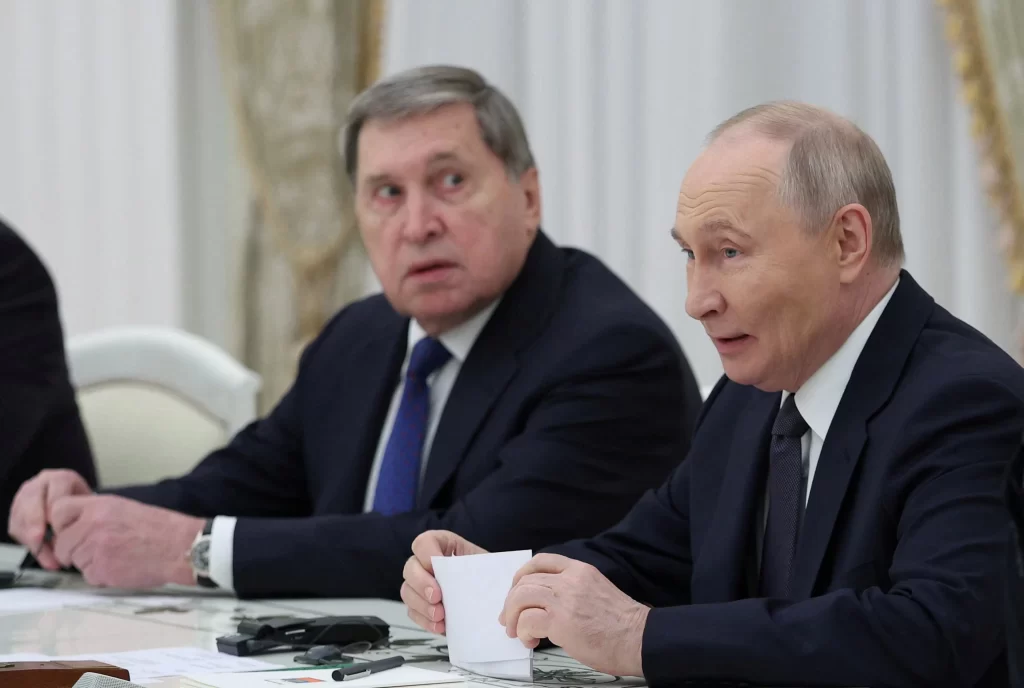
In a significant development in the ongoing Russo‑Ukraine conflict, U.S. special envoy Steve Witkoff is set to travel to Moscow next week to meet Russian President Vladimir Putin to discuss a U.S.-backed peace plan for Ukraine. The talks represent a major diplomatic push to end the war, which has already caused immense human and infrastructural damage. The forthcoming discussions could reshape the trajectory of the conflict, even as tensions remain high among Kyiv, Moscow, and European allies over the plan’s fairness and feasibility.
Moscow Visit Confirmed:
Russian presidential officials confirmed that Witkoff, accompanied by senior U.S. officials, will meet Putin next week. The envoy’s mission is reportedly aimed at finalizing a peace deal once preliminary agreements are reached. This announcement follows a series of diplomatic efforts, including prior discussions in Geneva and Abu Dhabi involving U.S. and Ukrainian leaders on a common framework for peace.
Key Elements of the U.S. Peace Plan:
| Proposal / Feature | Intended Outcome / Controversy |
|---|---|
| Freeze frontline territorial control | Recognizes current Russian hold over certain territories as de facto borders, favored by Moscow. |
| Limit Ukraine’s military size & bar NATO entry | Helsinki-style neutrality to reduce perceived Russian threat; raises concerns over Ukraine’s sovereignty. |
| Security guarantees and reconstruction aid | Aims to support Ukraine’s recovery using seized Russian assets and EU assistance, but may create long-term dependencies. |
| Amnesty for combatants and phased sanctions relief | Intended to encourage de-escalation, but may undermine justice and incentivize future aggression. |
European leaders have expressed serious reservations, warning that the plan could give disproportionate leverage to Russia and compromise Ukraine’s long-term security and independence.
Diplomatic Reactions and Military Realities:
Despite the diplomatic momentum, military confrontations continue. Recent Russian drone strikes in Zaporizhzhia underscore the fragility of any ceasefire. European officials insist that any settlement must include Ukraine and maintain European consensus, cautioning that sidelining key stakeholders could undermine trust in international security frameworks. Meanwhile, Moscow has stressed that the plan requires careful review and detailed negotiations before formal acceptance.
Stakes and Risks:
- Ukraine: Potential ceasefire, reconstruction aid, and security assurances come with territorial concessions and constraints on military sovereignty.
- Russia: Recognition of territorial gains and sanctions relief could strengthen its economic and diplomatic standing.
- Europe and NATO: A settlement excluding European input could alter the continent’s security architecture and weaken collective defense credibility.
- U.S. and Global Diplomacy: Success would demonstrate Washington’s ability to mediate high-stakes conflicts, while failure could strain alliances and global influence.
Outlook:
The coming talks will be critical in determining whether a ceasefire and peace treaty can be achieved. However, deep divisions among stakeholders and ongoing hostilities suggest that even if an agreement is reached, its durability may be uncertain. Analysts warn that without enforceable guarantees, the conflict could resume or evolve into a protracted frozen confrontation.

