
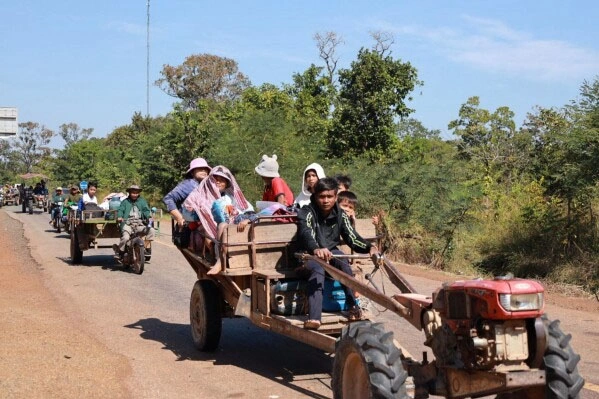
Fierce clashes have again erupted along the Thailand–Cambodia border after the complete breakdown of the fragile ceasefire agreed upon in July 2025. Intense exchanges of artillery fire, drone strikes, and ground assaults have resulted in rising civilian and military casualties, while tens of thousands of residents are fleeing the conflict-hit zones. The renewed violence marks the most severe escalation in the region in more than a decade.
Ceasefire Breakdown Sparks Heavy Engagement
The July ceasefire, negotiated with regional mediation efforts, was widely viewed as a temporary pause in a long-standing dispute. Tensions reignited quickly when both governments accused each other of initiating fresh violations. Cambodian officials reported multiple civilian deaths following overnight shelling, while Thailand confirmed the death of at least one soldier amid intensified border engagements.
With hostilities surging, Thailand launched a series of air and artillery strikes on what it described as Cambodian military installations. Cambodia condemned the operations as “unprovoked aggression,” asserting that Thai forces had targeted residential areas near the border. Military units on both sides have since mobilised reinforcements, heightening fears of a prolonged armed confrontation.
Humanitarian Crisis Deepens
The renewed conflict has triggered a substantial humanitarian emergency across the disputed region. Local authorities and aid organisations estimate that tens of thousands of civilians have fled their homes due to persistent shelling and airstrikes. Temporary camps near safer inland zones are already overcrowded, with displaced families reporting shortages of food, shelter, and medical supplies.
Humanitarian observers warn that the situation could deteriorate rapidly if fighting spreads to densely populated border towns. Health workers have raised concerns regarding limited access to hospitals, particularly as roads in the conflict zones remain blocked or unsafe.
Displacement at a Glance
| Category | Estimated Impact |
|---|---|
| Civilians displaced | 30,000+ |
| Casualties reported | Rising daily |
| Affected provinces | 6 (both countries) |
| Emergency shelters | Over capacity |
Regional Concerns and International Reactions
Neighbouring countries and regional organisations have expressed alarm over the escalating violence. Diplomatic channels are reportedly under strain as each side continues trading accusations over ceasefire violations and territorial incursions. Analysts warn that the conflict, if unchecked, could undermine broader security in Southeast Asia and disrupt key trade routes linking both nations.
Security experts note that the dispute, rooted in historical territorial claims and nationalistic rhetoric, has frequently resurfaced during periods of political instability in either nation. The latest escalation, they say, reflects deeper distrust that short-term ceasefires alone cannot resolve.
Outlook: Uncertain and Alarming
With both militaries showing no sign of de-escalation, the prospect of renewed negotiations appears uncertain. Civilian organisations are urgently calling for immediate humanitarian corridors and renewed diplomatic engagement to prevent a full-scale regional crisis.
As the clash-ridden border continues to witness heavy fire, the human toll mounts, and the international community faces growing pressure to intervene diplomatically. Whether the coming days bring restraint or further confrontation remains deeply uncertain.

