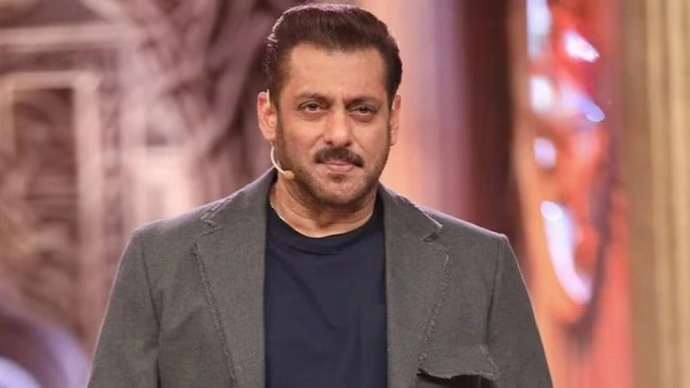
In a landmark directive with significant implications for digital rights and celebrity brand protection, the Delhi High Court has directed major social media platforms and online intermediaries to act within three days on a petition filed by Bollywood superstar Salman Khan. The petition alleges unauthorized commercial use of his name, image, voice, likeness, and other personality attributes.
The petition, heard by Justice Manmeet Pritam Singh Arora, seeks legal safeguards under Indian digital and intellectual property frameworks to prevent third parties from exploiting the actor’s identity without consent, potentially misleading the public and causing irreparable harm to his brand value.
Rising Trend: Celebrities Protecting Personality Rights
Khan’s legal move forms part of a broader surge in high-profile cases in India where public figures have approached the judiciary to protect “personality rights” — the legal entitlement to control and profit from one’s image, voice, and public persona. In recent months, prominent personalities such as Aishwarya Rai Bachchan, Abhishek Bachchan, Hrithik Roshan, Nagarjuna, Kumar Sanu, and Karan Johar have similarly sought interim relief to curb unauthorized use of their identities — including deepfake content, AI-generated misuse, and merchandise sold on e-commerce platforms.
Court’s Directive: Immediate Action and Further Orders
During Thursday’s hearing, the court emphasized that social media intermediaries — including platforms like X (formerly Twitter), Meta’s services, Google, and messaging apps — must treat Khan’s lawsuit as a formal complaint under the Information Technology (Intermediary Guidelines and Digital Media Ethics Code) Rules, 2021 and take necessary action within three days.
The order highlighted clear expectations:
- Platforms should review and remove infringing content, deactivate accounts or links violating personality rights, and notify the actor’s legal team if any objection arises.
- A more detailed interim order is expected soon addressing defendants that are not social media intermediaries, such as e-commerce sellers allegedly offering unauthorized merchandise featuring the actor’s image or likeness.
Legal Contentions in the Petition
Khan’s petition contends that the commercial exploitation of his identity without consent — including digitally edited images, AI-generated voice clips, branded products, and online advertisements — not only violates his personality and publicity rights but also misleads audiences into believing he endorses certain products or services.
The actor sought to restrain numerous named and unnamed defendants from ongoing misuse of his persona, citing risks of brand dilution, reputational harm, and distortion of fan perception.
Broader Implications for Digital Platforms and Public Figures
The court’s swift directive underscores growing judicial scrutiny of online intermediary accountability in India’s rapidly evolving digital ecosystem. Content creators, marketers, and online marketplaces now face mounting pressure to adopt clearer policies governing the use of public figures’ identity markers.
Supporters of stronger personality rights legislation argue that existing laws must adapt to address modern challenges such as deepfakes, AI-generated content, and impersonation, which often blur the lines between parody and commercial exploitation. Critics, however, warn about potential overreach affecting freedom of expression.
What Comes Next
The High Court will revisit the matter as proceedings progress, with interim status hearings scheduled and potential stay orders on non-intermediary defendants in the pipeline. For Salman Khan and other public figures, these legal battles represent a pivotal moment in establishing enforceable norms for digital identity protection in India.
Key Takeaways:
- ⚖️ Delhi HC orders social media platforms and intermediaries to act within three days.
- 📱 Case highlights the growing importance of personality and publicity rights.
- 🛡️ Court to issue further orders against non-social media defendants, including e-commerce sellers.
The developments underline a critical juncture in Indian digital jurisprudence as the judiciary seeks to keep pace with technological change and protect individual identity rights in the online sphere.