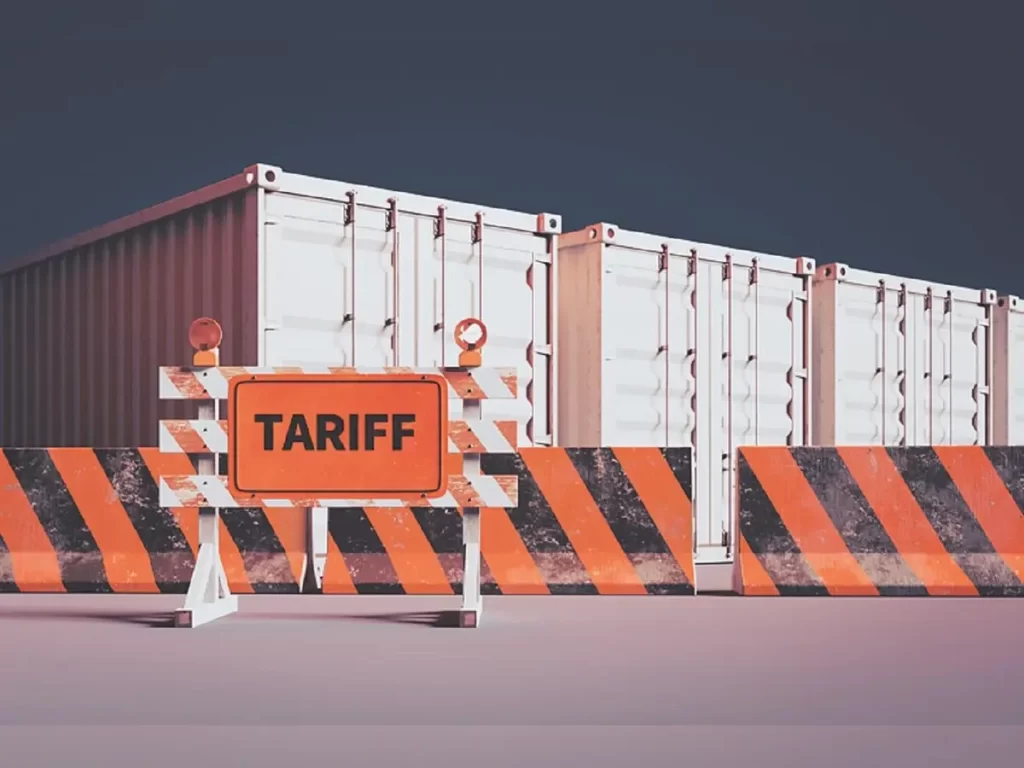
Mexico’s sweeping decision to impose steep import tariffs of up to 50% on more than 1,400 products from countries without free-trade agreements — including India — is poised to disrupt global trade patterns, significantly affecting India’s automotive and industrial export sectors when the measures take effect on January 1, 2026. Experts warn that the tariff escalation could imperil approximately $1 billion in Indian car exports, intensify global trade tensions, and prompt urgent diplomatic engagement between New Delhi and Mexico.
Tariff Shock: What the New Duties Entail
Mexico’s Senate approved the tariff overhaul in December 2025, targeting imports from countries that lack preferential trade pacts with Mexico — notably India, China, South Korea, Thailand, and Indonesia. The legislation authorizes duties ranging from 5% to as high as 50% on key categories including passenger vehicles, auto parts, textiles, steel, plastics, and metals.
Key sectors affected include:
- Automobiles & auto components – previously benefitting from lower tariffs now face up to 50% duties, eroding cost competitiveness.
- Textiles & apparel – export prices to Mexico likely to increase sharply.
- Steel & metal products – subject to prohibitive tariffs that could price Indian steel out of the Mexican market.
- Electronics & consumer goods – including plastics and household items, will also see elevated import costs.
Analysts note that passenger vehicles exported from India to Mexico will likely confront duty increases from approximately 20% to 50%, while auto components may rise to 35% or more, substantially altering price structures.
India’s Automotive Industry Faces Immediate Risk
India’s automotive sector — a linchpin of its export strategy — is among the hardest hit. Reports suggest that passenger vehicles worth nearly $938 million and auto parts valued at roughly $507 million could be rendered far less competitive in Mexico due to tariff escalation.
Industry bodies had previously petitioned the Indian government to negotiate with Mexican authorities in an attempt to maintain existing tariff structures, emphasizing Mexico’s role as a key destination for Indian manufactured vehicles.
Major Indian manufacturers — including Maruti Suzuki India, Hyundai Motor India, Nissan, and Volkswagen Group — have substantial export flows to Mexico. Industry insiders suggest that the tariff shock may prompt export realignment or supply chain restructuring to maintain market access.
Trade Strategy and Political Context
Mexican authorities defend the tariff hike as a strategic move to protect domestic manufacturing, foster local employment, and reduce overreliance on imports from non-FTA partners. Officials also frame the change as part of broader economic adjustments ahead of the 2026 review of the US-Mexico-Canada Agreement (USMCA).
However, the trade shift has drawn criticism from affected trading partners. Beijing and other nations have described the measures as unilateral and protectionist, urging Mexico to reconsider what many view as punitive tariff walls that disrupt established supply chains.
Broader Implications and Future Outlook
The tariff hike comes at a time when export-oriented industries are already grappling with tariff pressures in major markets. The addition of Mexico’s tariff regime intensifies the need for strategic diversification, trade negotiations, and potential pursuit of bilateral or multilateral trade agreements to safeguard export competitiveness.
Economists warn that without proactive policy responses and diplomatic engagement, the tariff shock could have enduring consequences for India’s export growth ambitions and global trade integration. Yet the situation also presents an inflection point for policymakers to accelerate negotiations toward favorable trade frameworks that support long-term industrial resilience.