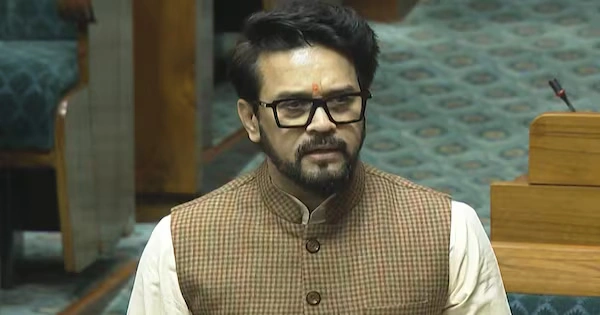
A political firestorm erupted in the Indian Parliament’s Winter Session this week after Bharatiya Janata Party (BJP) MP Anurag Thakur accused an unnamed Trinamool Congress (TMC) MP of using an e‑cigarette inside the Lok Sabha chamber during the Question Hour, triggering heated exchanges on parliamentary decorum and statutory compliance.
The incident, which took place on December 11, quickly escalated into a contentious debate over legislative conduct and adherence to national laws—shining a spotlight on rules governing behaviour within the heart of India’s democracy.
Allegations Amid Winter Session Proceedings
During the proceedings of the Winter Session of Parliament, Thakur raised a pointed concern with Lok Sabha Speaker Om Birla, alleging that a TMC MP had been “openly using an electronic cigarette while seated in the House.” He stressed that the act occurred visibly during sittings, was witnessed by several lawmakers, and contravened both parliamentary rules and statutory bans on such devices.
Thakur later followed up by lodging a formal written complaint with the Speaker, asserting that the conduct constituted not only a violation of parliamentary decorum but also a cognizable offence under Indian law. His letter urged an immediate inquiry and disciplinary proceedings against the member concerned to uphold the dignity of the House.
Legal Context: E‑Cigarette Ban and Parliamentary Rules
India has maintained a nationwide ban on electronic cigarettes since 2019 under the Prohibition of Electronic Cigarettes Act, which prohibits the production, import, sale, and use of such devices. This prohibition applies to all public spaces, and Parliament’s own codes of conduct forbid actions that disrupt proceedings or violate statutory mandates.
Despite these existing restrictions, Thakur’s allegations sparked confusion and a flurry of reactions inside the House, with MPs debating whether the reported use of an e‑cigarette—officially categorised as a banned nicotine delivery system—had taken place within the precincts of Lok Sabha.
Parliamentary Response and Political Fallout
Speaker Om Birla took serious note of the accusation but urged lawmakers to maintain dignity and decorum during proceedings. Birla emphasised that e‑cigarettes had not been authorised for use in the Lok Sabha and instructed that any violation be presented in writing to trigger formal action.
The allegation prompted immediate reactions across party lines:
- BJP leaders demanded swift disciplinary action, asserting that the incident “lowered the dignity of the House” and underlined a flagrant breach of law.
- TMC representatives countered the claim, with some asserting ambiguity over whether the act occurred inside the chamber or merely within the parliamentary premises, areas where enforcement nuances differ.
- Outside Parliament, Union ministers and senior party figures confronted the controversy further, engaging in a wider public debate about conduct and ethics among elected representatives.
Key Issues at Stake
Several high‑impact keywords and themes have emerged from this controversy that underline its broader implications:
- Parliamentary decorum violation
- E‑cigarette ban enforcement
- Lok Sabha procedural conduct
- Political accountability
- Rule of law in legislative forums
- Opposition‑government tensions
Looking Ahead: Implications and Next Steps
As the Lok Sabha continues its Winter Session, the e‑cigarette controversy is expected to reverberate in both parliamentary proceedings and public discourse. With the Speaker’s assurance that a formal complaint will be acted upon, the focus now shifts to whether the House’s ethics and privileges committee or other mechanisms will investigate the matter thoroughly.
Beyond immediate disciplinary outcomes, this episode underscores ongoing tensions between the ruling party and opposition blocs—a backdrop against which matters of legal compliance, public health policy, and legislative decorum are increasingly politicised.
As the BJP and TMC trade barbs over this incident, the broader question remains: Can Parliament enforce its rules internally while maintaining a cooperative legislative environment?
Only time—and formal inquiry—will tell.