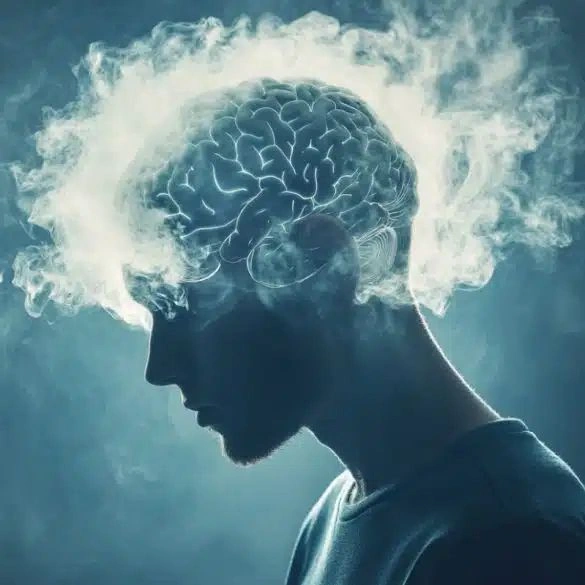
Memory isn’t like a video camera that captures and plays back events exactly as they occurred. Instead, it actively builds memories every time we think about them, mixing real-life events with our own thoughts, feelings, and outside influences. This basic idea in cognitive science goes against what people used to think and has a big effect on eyewitness testimony, therapy, and everyday choices.
The origin of the concept of reconstructive memory.
In the early 1900s, psychologists were the first people to fully argue against the idea that memory is just a passive recorder. This theory was first thought up by UK psychologist Frederic Bartlett.In his 1932 tests, people read strange Native American folktales, such “The War of the Ghosts.” When they told similar stories again weeks later, they changed some of the facts to fit their cultural norms, like adding morals, making the storylines easier to follow, and leaving out magical elements. Bartlett posited that memory embodies a “effort after meaning,” signifying that it is an active process of schema-driven reconstruction rather than just repetition of acquired information.
Elizabeth Loftus’s groundbreaking research on the disinformation effect in the 1970s significantly enhanced the credibility of this concept. Loftus demonstrated that individuals can be misled by leading questions or information provided subsequent to an event. People saw a video of an automobile crash in a famous research. When asked how rapidly the cars were “smashing into” each other, individuals guessed higher speeds and were more likely to “remember” broken glass that wasn’t present. These studies demonstrated that memory is malleable and susceptible to suggestion and contextual factors.
Cognitive neuroscientists currently link this technique to brain activation. The hippocampus first stores episodic memories, but when you remember them, neuronal networks in the prefrontal cortex and amygdala are reactivated, which lets emotions and beliefs change the story. Functional MRI scans show that as you remember something, the old synaptic connections are weaker. This lets new information in. This is like writing over a tape instead of playing it.
Neurological Processes That Allow Reconstruction to Happen
Reconstructive memory originates from the brain’s architecture designed for efficiency. Neurons don’t store information in single snapshots; they store it in patterns that are spread out throughout large networks. Your brain puts together sensory information when you think about a birthday celebration from when you were a youngster. The smell of vanilla cake comes from the olfactory areas, the sound of laughter comes from the auditory areas, and the faces of your parents come from the visual cortexes. Schemas are templates in the brain that fill in the blanks on their own. They are based on things that happen to you over and over again.
Neuroplasticity makes this even stronger. Reconsolidation is the process that makes some circuits stronger and others weaker each time you remember something. Neuroscientist Karim Nader’s research shown that the inhibition of protein synthesis during recall in rats interfered with terror memories, hence confirming their instability and reformation. This is why strong emotions make the main point more true but the details less so in people. Stress hormones like cortisol make big pictures clearer but break up details, like when you think about 9/11 or your own life.
People with amnesia, like the well-known H.M., who couldn’t make new memories after having surgery on his hippocampus, sometimes make up stories. He didn’t know he was making up stories that sounded authentic but weren’t true to fill in the gaps. This shows that reconstruction works behind the scenes to keep the story straight. This happens in healthy brains too, although in a less obvious way. Studies show that 20–40% of memories have mistakes after a week, and this number goes up over time.
Effects on the Justice System in the Real World
Eyewitness reports, which were once considered the most reliable kind of evidence, can not withstand scrutiny upon reevaluation. The Innocence Project says that 70% of DNA exonerations of people who were unfairly convicted were because they were incorrectly identified. Jennifer Thompson firmly pointed out Ronald Cotton as the man who raped her in the 1984 case. This got him an 11-year prison sentence. Later, DNA proved he was innocent and pointed to another man she had seen initially.
Loftus’s work had an effect on the US. The Supreme Court recognized lineup prejudices in Perry v. New Hampshire (2012). Meta-analyses indicate that sequential lineups, presenting suspects individually, reduce false positives by 15–20% in comparison to simultaneous lineups. But there are still biases: own-race bias makes it 1.5 times tougher to tell strangers of other races apart, and weapon focus makes it hard to see details around the edges.
The police make things worse. Co-witness contamination happens when victims talk about what happened and agree on misleading information. A study done in Chicago found that 86% of witnesses who saw false information found at least one mistake. There are changes like double-blind administrations and swift confidence statements, but rebuilding is so hard that we have to be on guard all the time.
After an event, eyewitnesses often get 25% of the information wrong, mix up what they think happened with what really happened in 30% of situations, and can’t tell someone of a different race apart, which means that the error rate for people of that race is twice as high.
Therapeutic Consequences of False Memory Syndrome
Reconstructive memory radically transforms psychotherapy. Controversies led to the demise of recovered memory treatment in the 1980s and 1990s. Using hypnosis and suggestion, therapists wrongly put thoughts of satanic ritual abuse into people’s heads. Richard Ofshe’s instances showed that patients were “recovering” from complicated traumas that couldn’t be confirmed, which caused problems in their families.
New approaches do this in a clever way. Cognitive Behavioral Therapy (CBT) focuses at how people’s thoughts and beliefs can make situations appear worse than they are, such when people who are concerned inflate threats out of proportion. Eye Movement Desensitization and Reprocessing (EMDR) improves reconsolidation by changing how you think about trauma without making things up. There are still moral issues, though. A meta-analysis from 2020 in Psychological Bulletin found that suggestion can make abuse complaints go up by 15 to 30% in customers who are already at risk.
The False Memory Syndrome Foundation gave the moniker “False Memory Syndrome” to families who have been torn apart by memories that can’t be proven. Some people think this makes true abuse seem less serious. Finding a balance between faith and doubt protects both victims and innocent people. This shows that reconstruction can be both good and terrible.
Mistakes and traps that people often make when making choices
Reconstruction alters many parts of daily life, not simply courts and clinics. Couples fight about “who said what,” each one telling their own version of what transpired. Research indicates that egocentric bias causes 60% of items to appear as though they were executed by the individual responsible. A 2018 study published in Science discovered that misinformation disseminates rapidly online and that the repercussions of erroneous information persist even after its falsity is established, as individuals retain the initial narratives they encounter.
Hindsight bias makes people more sure about their past forecasts after the event has happened (“I knew it all along”). Investors look for “hot streaks” based on carefully chosen historical data, which ignores survivorship bias. There are big consequences on education: students use what they already know to put together lectures. This shows that spaced repetition is better than cramming since it builds up schemas without making them excessively full.
As people get older, they become less reliable. Older people forget where they got their news and mix it up with their own thoughts. But there are good things about it, like how gist memory helps you be smart and how it helps you focus on patterns instead of little things. People remember 90–95% of the details right after something happens, but only 30–40% of them a year later. Making guesses and writing things from scratch becomes second nature.
New ways and concepts for making memories more accurate
Reconstruction isn’t always ideal, but it can be helpful. The testing effect, often called self-quizzing, helps you recall things better in the long run by making you do them again. Schemas and memory aids like the loci approach (memory palaces) go well together. Sleep helps memories develop stronger, and the REM stages repeat days to keep things constant.
Technology gets involved in a fun way. In mice, optogenetics can reactivate engrams, which are memory traces, to make fake connections. This means that people can change their recollections. Neuralink and other brain-computer interfaces want to take away fidelity, but this raises a lot of moral questions: changing the past might erase who you are.
Cognitive training programs help working memory by focusing on certain areas of it. For example, dual n-back tasks can increase working memory by 10–15%. Mindfulness lessens distortions caused by stress; practitioners show a 20% increase in detail recall based on the idea that “Unraveling the Myth: Human Memory as a Reconstructive Force, Not a Flawless Record.”
Neurological Processes That Allow Reconstruction to Happen
Reconstructive memory originates from the brain’s architecture designed for efficiency. Neurons don’t store information in single snapshots; they store it in patterns that are spread out throughout large networks. Your brain puts together sensory information when you think about a birthday celebration from when you were a youngster. The smell of vanilla cake comes from the olfactory areas, the sound of laughter comes from the auditory areas, and the faces of your parents come from the visual cortexes. Schemas are templates in the brain that fill in the blanks on their own. They are based on things that happen to you over and over again.
Neuroplasticity makes this even stronger. Reconsolidation is the process that makes some circuits stronger and others weaker each time you remember something. Neuroscientist Karim Nader’s research shown that the inhibition of protein synthesis during recall in rats interfered with terror memories, hence confirming their instability and reformation. This is why strong emotions make the main point more true but the details less so in people. Stress hormones like cortisol make big pictures clearer but break up details, like when you think about 9/11 or your own life.
People with amnesia, like the well-known H.M., who couldn’t make new memories after having surgery on his hippocampus, sometimes make up stories. He didn’t know he was making up stories that sounded authentic but weren’t true to fill in the gaps. This shows that reconstruction works behind the scenes to keep the story straight. This happens in healthy brains too, although in a less obvious way. Studies show that 20–40% of memories have mistakes after a week, and this number goes up over time.
Effects on the Justice System in the Real World
Eyewitness reports, which were once considered the most reliable kind of evidence, can not withstand scrutiny upon reevaluation. The Innocence Project says that 70% of DNA exonerations of people who were unfairly convicted were because they were incorrectly identified. Jennifer Thompson firmly pointed out Ronald Cotton as the man who raped her in the 1984 case. This got him an 11-year prison sentence. Later, DNA proved he was innocent and pointed to another man she had seen initially.
Loftus’s work had an effect on the US. The Supreme Court recognized lineup prejudices in Perry v. New Hampshire (2012). Meta-analyses indicate that sequential lineups, presenting suspects individually, reduce false positives by 15–20% in comparison to simultaneous lineups. But there are still biases: own-race bias makes it 1.5 times tougher to tell strangers of other races apart, and weapon focus makes it hard to see details around the edges.
The police make things worse. Co-witness contamination happens when victims talk about what happened and agree on misleading information. A study done in Chicago found that 86% of witnesses who saw false information found at least one mistake. There are changes like double-blind administrations and swift confidence statements, but rebuilding is so hard that we have to be on guard all the time.
After an event, eyewitnesses often get 25% of the information wrong, mix up what they think happened with what really happened in 30% of situations, and can’t tell someone of a different race apart, which means that the error rate for people of that race is twice as high.
Therapeutic Consequences of False Memory Syndrome
Reconstructive memory radically transforms psychotherapy. Controversies led to the demise of recovered memory treatment in the 1980s and 1990s. Using hypnosis and suggestion, therapists wrongly put thoughts of satanic ritual abuse into people’s heads. Richard Ofshe’s instances showed that patients were “recovering” from complicated traumas that couldn’t be confirmed, which caused problems in their families.
New approaches do this in a clever way. Cognitive Behavioral Therapy (CBT) focuses at how people’s thoughts and beliefs can make situations appear worse than they are, such when people who are concerned inflate threats out of proportion. Eye Movement Desensitization and Reprocessing (EMDR) improves reconsolidation by changing how you think about trauma without making things up. There are still moral issues, though. A meta-analysis from 2020 in Psychological Bulletin found that suggestion can make abuse complaints go up by 15 to 30% in customers who are already at risk.
The False Memory Syndrome Foundation gave the moniker “False Memory Syndrome” to families who have been torn apart by memories that can’t be proven. Some people think this makes true abuse seem less serious. Finding a balance between faith and doubt protects both victims and innocent people. This shows that reconstruction can be both good and terrible.
Mistakes and traps that people often make when making choices
Reconstruction alters many parts of daily life, not simply courts and clinics. Couples fight about “who said what,” each one telling their own version of what transpired. Research indicates that egocentric bias causes 60% of items to appear as though they were executed by the individual responsible. A 2018 study published in Science discovered that misinformation disseminates rapidly online and that the repercussions of erroneous information persist even after its falsity is established, as individuals retain the initial narratives they encounter.
Hindsight bias makes people more sure about their past forecasts after the event has happened (“I knew it all along”). Investors look for “hot streaks” based on carefully chosen historical data, which ignores survivorship bias. There are big consequences on education: students use what they already know to put together lectures. This shows that spaced repetition is better than cramming since it builds up schemas without making them excessively full.
As people get older, they become less reliable. Older people forget where they got their news and mix it up with their own thoughts. But there are good things about it, like how gist memory helps you be smart and how it helps you focus on patterns instead of little things. People remember 90–95% of the details right after something happens, but only 30–40% of them a year later. Making guesses and writing things from scratch becomes second nature.
New ways and concepts for making memories more accurate
Reconstruction isn’t always ideal, but it can be helpful. The testing effect, often called self-quizzing, helps you recall things better in the long run by making you do them again. Schemas and memory aids like the loci approach (memory palaces) go well together. Sleep helps memories develop stronger, and the REM stages repeat days to keep things constant.
Technology gets involved in a fun way. In mice, optogenetics can reactivate engrams, which are memory traces, to make fake connections. This means that people can change their recollections. Neuralink and other brain-computer interfaces want to get rid of fidelity, but this is a horrible concept for several reasons. For instance, altering the past might erase identity.
Cognitive training apps deliver small improvements (10–15% through dual n-back tasks) that focus on portions of working memory. Mindfulness lessens distortions caused by stress; practitioners show a 20% increase in their ability to remember details when they are under strain.
Memory isn’t a perfect record; it’s a force that draws everything back together.