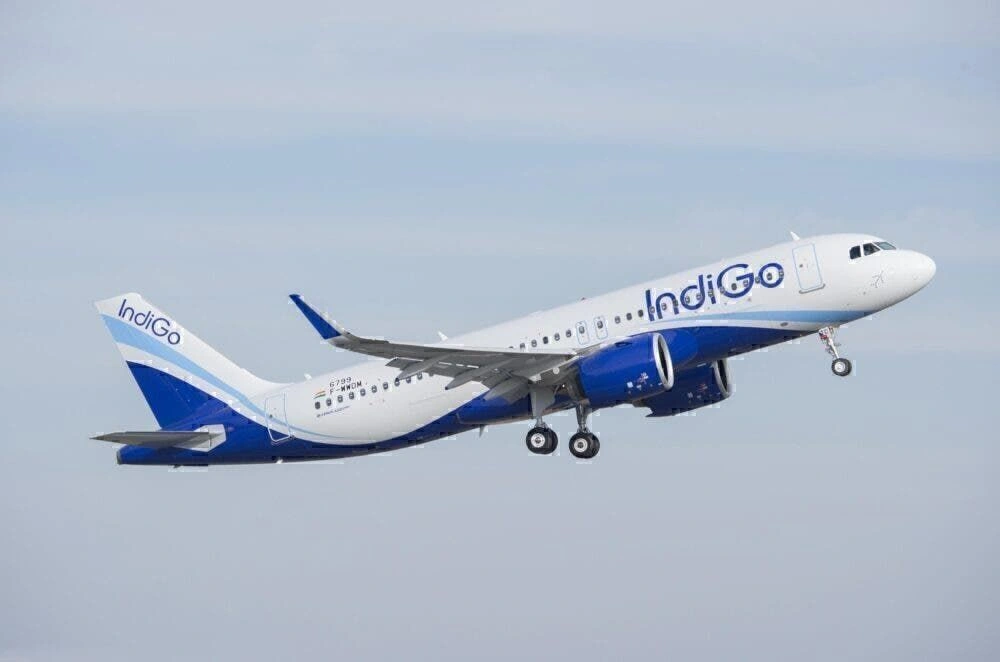
Currently, investors are buzzing about the most promising stocks, particularly within India’s dynamic telecom and aviation sectors. With the Nifty 50 reaching fresh peaks and global uncertainties stemming from shifts in the supply chain and fuel costs, firms such as Bharti Airtel and IndiGo are drawing considerable interest. The question is, why does this matter?
These industries aren’t just reaping the rewards of India’s advancement; they’re actively contributing to its evolution.
Telecommunications fuels the digital surge, while aviation resurrects travel post-pandemic. By the start of April 2026, Airtel’s stock had seen a rise of more than 8% in just seven days, and IndiGo’s shares were also experiencing a similar surge. The real question, however, is whether these increases will last, or if they’re just a temporary blip.
Let’s examine the situation.
Airtel’s Telecom Stronghold: Consistent Expansion in a Crowded Arena
Bharti Airtel, India’s second-largest telecom provider, has maintained a position of industry leadership. Its latest quarterly report, released last month, painted a positive picture: revenue climbed 12% year-on-year to ₹38,500 crore, fueled by robust 5G adoption and an increase in ARPU to ₹235.
That’s not easy to do in a market where pricing wars have been cutting into profits for years.
What makes Airtel different? It’s the launch of 5G. There are more than 200,000 live sites in 22 circles, which is 90% of India’s population. Subscribers are hooked—3.5 million postpaid adds in only one quarter. Enterprise services are also doing well, especially cloud and IoT sales, as small and medium-sized businesses go digital. Do you remember the ₹84,000 crore spectrum sale in 2024? Airtel took over the best mid-band airwaves, setting it up for the next big data boom.
But there are problems ahead. Jio’s low prices keep the pressure on, and regulatory issues like adjusted gross revenue (AGR) dues are still around, even though Airtel paid off most of them last year. But analysts still love it. Motilal Oswal sets a target of ₹2,200, saying that EBITDA will grow at a rate of 15% each year through 2028. The price of Airtel shares is presently around ₹1,850, which is a 25% increase from the beginning of the year. This makes it a Nifty 50 movers favorite.
Airtel is a stable stock that investors should keep an eye on. It’s not spectacular, but in a market that changes quickly, that reliability is important. Here’s a short look at its most important numbers:
Market Cap: ₹11.2 lakh crore
P/E Ratio: 22x (lower than the average for the sector)
Debt Reduction: Net debt is reduced 18% to ₹1.1 lakh crore.
5G Revenue Share: Expected to be 25% by FY27
India’s 1.2 billion mobile phone customers make sure that telecom stays in business for a long time. Airtel’s bet on high-end services could make its moat bigger.
IndiGo’s Aviation Revival: Soaring High on Domestic Demand
Now let’s talk about aviation, where InterGlobe Aviation, often known as IndiGo, is in charge. IndiGo shares have gone up 35% in three months and are now worth ₹5,200 each. Why the rise? The results for Q4 FY26 were amazing: net profit rose 55% to ₹2,800 crore, and revenue rose 18% to ₹22,000 crore. Due to a lot of people wanting to travel, load factors hit 88%.
IndiGo flies 2,000 flights every day and carries 60% of India’s domestic passengers. International growth is also helpful; new lines to Southeast Asia and the Middle East added 15% to yields. Fuel expenses, which are always a pain, went down when hedges covered 40% of demand at $80/barrel, even though crude oil prices fell below $70 recently.
But flying isn’t always easy. Last year, problems with Pratt & Whitney engines kept 70 planes on the ground, costing ₹500 crore. IndiGo’s response? A huge order from Airbus for 500 planes in 2023, with deliveries speeding faster. It’s also getting into wide-body jets for long-haul flights and looking at high-end markets.
Aviation stocks in India, like IndiGo, are doing well because India’s middle class is growing. By 2030, air travel is expected to treble to 300 million passengers. The UDAN initiative from the government opens up tier-2 cities, which is great for IndiGo’s low-cost approach. Brokerages are optimistic: Kotak predicts a ₹6,000 rise, which is due to a 20% increase in capacity.
Here are some quick facts on IndiGo’s growth:
Fleet Size: More than 370 planes (the biggest in Asia)
62% of the market share is in the US.
EBITDA Margin: 18% (up from 12% last year)
Cash Reserves: ₹8,000 crore for growth
Have you ever wondered if low-cost airlines like IndiGo can stay profitable without raising prices? Yes, so far, thanks to efficiency and size.
Vodafone Idea, SpiceJet, and Hidden Gems are all good stocks to buy.
There are no top stocks to watch lists that don’t include peers. Vodafone Idea (Vi), the third-largest telco in trouble, is starting to show signs of life. With a ₹30,000 crore investment from the government, it’s now testing 5G in four rings. Shares went up to ₹18 in a month, but the company is still losing ₹7,800 crore every three months. Watch out for tariff hikes; they are high risk, big reward.
SpiceJet is behind in aviation but is coming back. After the restructuring, it made a profit of ₹280 crore in the fourth quarter, and shares rose 40% to ₹65. Ajay Singh wants to have 100 planes in his fleet by 2027. It’s a gamble on a turnaround in the Indian aviation stock market.
Don’t ignore enablers. Adani Enterprises owns eight airports, which helps them make more money outside of airlines. Affle India, a data patterns aggregator, is linked to cellular data spending, which is risen 30% so far this year.
Macro Tailwinds and Headwinds Affecting These Stocks
The Reserve Bank of India says that India’s economy is growing at a rate of 7% each year. Digital India 2.0 gives ₹1.2 lakh crore to broadband, which is good for telecom. Tourism helps aviation; domestic trips are up 22% in 2025.
Global influences are at play. The US Fed’s rate cuts make it easier for money to move around, while problems in the Red Sea raise the price of jet fuel by 5%. The rupee is at 84/USD, which puts pressure on exporters in aviation supply chains.
What do investors think? FIIs put ₹50,000 crore into Nifty in the middle of 2026, looking for cyclical stocks like these. Retail craziness through apps makes moves bigger—Airtel’s share price and IndiGo’s stock performance go up on X hype.
What are the risks? Populism in an election year could limit tariffs, while climate rules could hurt aviation emissions. Still, the defensiveness of some industries stands out—telecom’s steady income and aviation’s volume play.
What Investors Should Do Next
Stocks like Airtel and IndiGo that you should keep an eye on aren’t bets; they have solid reasons to be. Airtel is a good fit for conservative portfolios because it pays out 0.8% in dividends. IndiGo is popular with people who want to make money, even if it is volatile (beta 1.4).
Spread your investments across Indian telecom and aviation stocks. In July, keep an eye on Q1 FY27 profits. The 5G traction and load factors will show how well they are doing. Screener.in and other tools show live Nifty 50 movers.
These old-economy heroes remind us that India’s fundamental story is consumption and connectivity in a world full of AI hype and EV craziness. Will they keep going up, or will they hit a rough patch? It could have an effect on your portfolio.
Airtel and IndiGo are at the forefront of the evolving telecom and aviation landscapes.