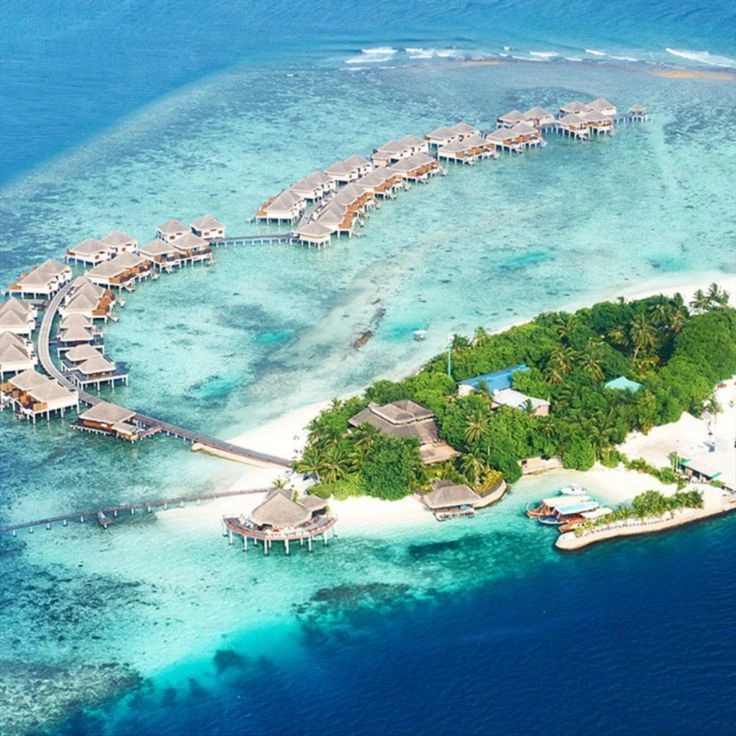
India’s unspoiled Lakshadweep islands, a hidden gem in the Arabian Sea, are about to undergo a travel revolution. Reaching these distant atolls is all poised to get a giant leap forward as SkyHop Aviation gets DGCA certification for the country’s first commercial seaplane operations. Faster voyages and a tourism boom are promised. But this is not only about speedier flights: it’s a brave step to unleash economic potential in one of the most secluded regions of India.
SkyHop’s Big Leap The Talk
SkyHop Aviation has grabbed the headlines for getting the Air Operator Certificate from the Directorate General of Civil Aviation. This green light makes them the first scheduled commercial seaplane flights in India with Lakshadweep as the launch pad. They’re starting small but smart: with 19-seater DHC-6 Twin Otter aircraft, ideal for takeoffs and landings on the water in the archipelago’s lagoons.
Trials in Rishikesh have shown the device can function in Indian waters, silencing skepticism from prior failed efforts. Founder Avani Singh considers it a year of hard graft paying off, to link up areas where runways simply don’t make sense. Phase one will see hops to five strategic islands – think Agatti, Kavaratti, Minicoy – and the mainland, cutting down on boat rides that stretch for hours.
What does this mean for the average person? Instead of a whole day at sea, residents might reach Kochi in less than an hour for medical attention or supplies. Multi-stop excursions are day activities with seamless island hopping for travelers.
How seaplanes fit into India’s bigger connectivity puzzle
Globally, seaplanes are nothing new – think Alaska’s distant hops or Maldives’ resort shuttles – but India has lagged behind. The UDAN plan, which promotes affordable regional air linkages, eventually gave it life. Cochin Port and islands like Minicoy, Agatti and Kavaratti are setting up water aerodromes, with Rs 20 crore allotted for jetties and pontoons at each site.
SpiceJet’s subsidiary had before explored comparable operations between Kochi and Lakshadweep, citing rates of about Rs 12,000 one-way, with UDAN subsidies lowering some of these to Rs 2,000-4,000. SkyHop is building on that momentum. Part of a national push: 48 Kerala lines approved, Andamans next.
Only Agatti in Lakshadweep now has a good runway. Seaplanes avoid that, and land straight on the lagoons. Fast facts on the setup:
Aircraft: 19-22 seaters, amphib for water ops.
Routes: Links with other islands and the mainland.
Cost edge: No need for large airports, just calm water.
This dovetails with PM Modi’s island focus after his 2024 visit to Lakshadweep, encouraging “high-end” tourism to 12 atolls while curbing crowds.
Silent Tourism Boom in Lakshadweep
Visitor numbers of Lakshadweep convey the narrative. Domestic arrivals climbed to 67,000 in 2024, a 47% increase from 2023. Foreign arrivals stood at 1,000, up 504% from pandemic lows. Seclusion appeal, improved permits saw domestics treble and foreigners quintuple in 2022-23 alone.
Before the aircraft, traveling to the island was planes to Agatti or ships from Kochi, not so great for quick vacations. Now? Visualize yourself taking a boat from Kochi port, sailing over the waters in 90 minutes to Bangaram’s beaches. Kochi is already teasing packages that combine seaplane thrills and stays on Kalpeni or Kadmat.
The buzzword is eco-tourism. Living coral reefs, lagoons full of parrotfish, no cars on most islands. Scuba places world-class attracting divers fleeing Maldives congestion. But growth raises questions – how to grow and not destroy the vibe? Local Maldivian-like populations look for hospitality jobs, but fear cultural change. Will seaplanes ferry day-trippers who litter the sands or thoughtful explorers?
The Government’s Swadesh Darshan 2.0 has approved funds for development of 57 sites including Lakshadweep for sustainable tourism accommodation facilities, which will include 150 rooms across the islands. SkyHop and others tout their low-impact ops, but balance is crucial.
Economic Ripples for Islands and Elsewhere
Apart from beaches, seaplanes might breathe life into Lakshadweep’s economy. Tourism is already big. The other mainstays are copra and fisheries. New jobs in pilots, maintenance, guides – consider hundreds directly, thousands indirectly.
It is a template across India. Airports miss out on Kerala backwaters, Northeast rivers and Andamans bays Regional connectivity reduces isolation and also helps in disaster relief. Andamans promote post-monsoon ‘monsoon tourism’ to bolster off season
Fares will boost uptake. Premium at Rs 10,000-12,000, but subsidy helps. As routes expand, costs drop – UDAN’s magic on short hauls. For India Inc, it is FDI bait: resorts, dive ops eyeing the influx.
But challenges loom. Monsoons make waters choppy; hulls need checking all the time. Noise over reefs? Environmentally? Regulators want for low emission planes, eco-protocols. Locals have first dibs on advantages from skill programs.
Real Talk: Winners and Watchers
Think of a family from Mumbai, bored by Goa crowds, splashing down in Kavaratti for snorkeling. Or a Kochi doc on his way to Minicoy crises. It’s what seaplanes do. But the fisherman surveying his lagoon-turned-runway? Their word matters.
This is what India’s islanders have waited decades for. The 32 atolls of Lakshadweep are home to 64,000 souls, predominantly Muslim Malayalam speakers of matrilineal descent. Tourism must respect that – no bikini decrees, no pressures to drink, thank you. Previous proposals failed to get community buy-in; this time we call for collaborative models.
Seaplanes are a global thing but Canada and New Zealand are the best examples. India is coming in at the right time when the world is bitten by the wanderlust bug post-Covid.
Waves of Change Coming
India’s aviation map redraws itself as SkyHop engines hum over Lakshadweep’s blues Connectivity soars, tourism thrives sustainably, economies stir. Fares down, routes grow Andamans, Goa coast next?
It’s not perfect. Weather, prices, eco-hurdles confronted. But the pressure feels good: pragmatic, visionary. Will it become the Maldives of India or will it remain a peaceful secret? Time and tide will reveal.
For now, stock up on sunblock. Now Paradise is at hand.
Lakshadweep Seaplane Services A Step Towards India’s Island Connectivity and Tourism Boom