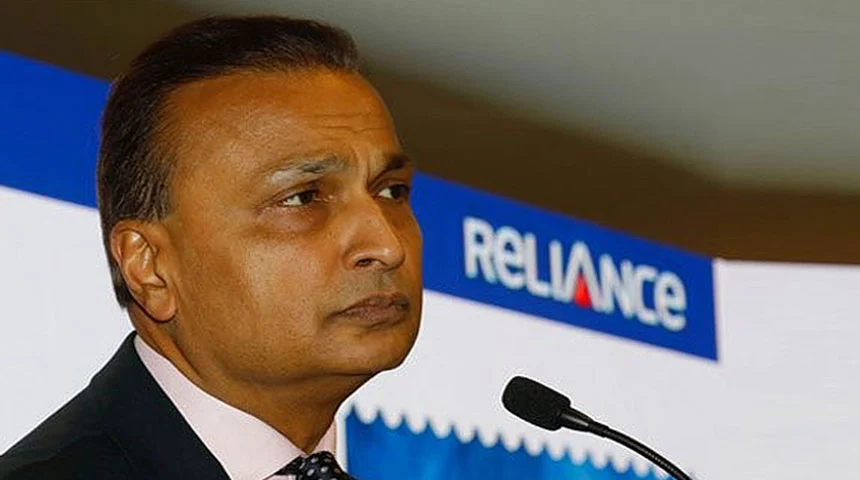
2 July, 2025-In a significant development with far-reaching financial and legal implications, the State Bank of India (SBI) is set to classify the loan account of Reliance Communications (RCom) as fraud and report its former director, Anil Ambani, to the Reserve Bank of India (RBI). The move marks a major escalation in the ongoing efforts by banks to address large-scale non-performing assets (NPAs) linked to corporate defaulters.
According to official sources, SBI’s internal assessment has concluded that the borrowings by RCom involved fraudulent activities, and the bank is now in the process of notifying the RBI in compliance with regulatory norms. Once an account is declared fraudulent, banks are mandated to report it to investigative agencies including the Central Bureau of Investigation (CBI) and the Enforcement Directorate (ED), which could result in serious legal consequences for those named, including directors and key decision-makers.
The classification of RCom’s account as fraud follows years of financial distress and mounting debt at the telecom company, which filed for bankruptcy in 2019. RCom reportedly owes over ₹40,000 crore to a consortium of lenders, with SBI being one of the largest creditors. The decision to name Anil Ambani—who was once among India’s most influential business magnates—underscores a stricter approach being adopted by banks and regulators towards high-profile loan defaults.
Industry analysts suggest that SBI’s decision to report Ambani underlines the bank’s determination to adhere to the RBI’s 2019 framework on fraud detection and reporting. The framework empowers banks to conduct forensic audits and initiate action against wilful defaulters. In RCom’s case, the bank is acting upon findings from such audits which reportedly indicate diversion of funds and misrepresentation of financial information.
This development is also expected to influence ongoing proceedings at the National Company Law Tribunal (NCLT), where the resolution process for RCom is still underway. Experts believe the fraud classification could significantly impact the valuation of assets and the prospects of settlement for creditors.
Meanwhile, Anil Ambani has previously denied any wrongdoing in connection with RCom’s finances, maintaining that the collapse of the telecom company was due to market forces and regulatory setbacks. However, legal experts point out that once RBI is formally informed and the case is handed over to enforcement agencies, the burden of proof will lie with Ambani to defend his role.
The move to hold former directors personally accountable reflects a broader policy shift in India’s banking sector. Public sector banks, under pressure to clean up their balance sheets and reduce bad loans, are increasingly pursuing legal remedies against errant corporate borrowers. The government and the RBI have emphasized the need for accountability and transparency in the financial ecosystem, and high-profile cases like RCom are being closely watched as test cases for regulatory enforcement.