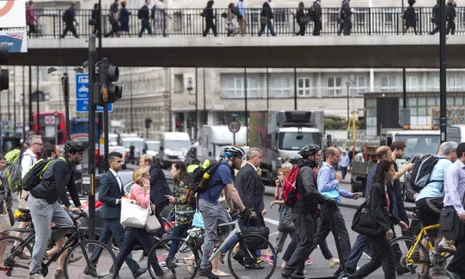
Cities all across the world are changing in dramatic ways, and mental health is becoming a big element of how they are being redesigned. This adjustment goes against the mental health crisis that has gotten worse since cities are getting more crowded, there is more noise pollution, and people don’t walk around often.
The Crisis of Mental Health in Cities
Cities have always been vital for the economy, but they may also be bad for people’s mental health. Rapid urbanization is connected to higher levels of anxiety, depression, and burnout all throughout the world. The World Health Organization claims that 13% of all diseases are mental illnesses. This means that cities need to find innovative strategies to cope with them.
Basic design rules that are good for mental health
Planners today employ neuroscience and psychology to learn how buildings and other structures affect how people feel and think. Being outside lowers cortisol levels, and designs that are easy to roam around in help individuals connect with each other and feel less alone. These ideas lead to things like Singapore’s Garden City and Europe’s 15-Minute Metropolis.
Green Spaces to Help You Calm Down
These new designs are inspired by parks, forests, and vertical gardens. Being around plants lowers stress by 20–30%, which helps you pay attention to what’s going on in the city. Shibuya in Tokyo features micro parks that are wonderful for short escapes in nature, and Copenhagen’s green roofs make the air cleaner and the views better.
Melbourne’s biodiversity corridors connect green spaces, which makes people more active and happy. These traits help prevent the “urban jungle effect,” which is when individuals get mad at concrete.
Biophilic Design Principles
Biophilic designs use natural patterns like curved paths, abundance of light, and water features to make people feel 15% better. Benches in the shade can help you stay awake, and art in nature might make you feel better. According to King’s Cross in London, these factors make people 25% happier.
Smart Technology for Health
AI watches the air and crowds for signs of stress. Fountains in Barcelona’s soundscapes help visitors relax, and businesses in Seoul provide meditation. Circadian lighting helps with seasonal illnesses by placing health ahead of surveillance.
Case Studies: The Best Examples
The 15-Minute Change in Paris
Paris makes sure that essential needs are supplied within 15 minutes of walking or biking, which cuts down on noise and stress by 40%. People came together in gardens and at tables, and their tension went down by 12%.
Singapore’s Nature Integration
The Rail Corridor and sensory gardens are good for dementia care since they have 7,800 acres of parks. People are less prone to think about killing themselves while they are on rooftops.
New York’s campaign for fairness
The Green Doctors suggest park therapy, and the New Deal has quiet places and playgrounds.
A look at some important numbers
People who live in the most green areas have a 27% lower risk of depression. Walking can lower anxiety by 18% for every kilometer you walk. People feel better by 5% for every 10 dB that are decreased. Social environments make people feel less alone by 22%. For every $1 spent on green urbanism, there are $4 saved on health care.
Problems That Are Coming Up
Gentrification is a problem for fairness, just like it is in San Francisco. Mumbai uses participatory planning, and low-cost trees and designs that work for everyone help.
Policy Support: The EU’s €1T Green Deal, U.S. funding under President Trump, and WHO assessments all incorporate mental factors in zoning.
What Experts Say
“Cities for connection heal,” says Dr. Holt-Lunstad. Bjarke Ingels envisions ideas that could be used again. VR and AI paths are coming, and by 2030, 70% of megacities will use them.
Effects on a bigger scale
Cities that are healthy have 15% less crime and are more productive. Patna’s wellness paths are in step with what is going on in the world.
The Next Step
“Urban mental health design,” “biophilic cities,” and “15-minute wellness” are all ideas that will help cities grow by making it easier for people to get outside.