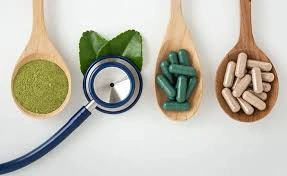
Alternative medicine is becoming more popular around the world as more and more people lose faith in traditional medicine. By 2028, the market is expected to be worth more than $540 billion. This increase makes it important to make a clear distinction between scientifically proven procedures and unsubstantiated claims, especially since the rules altered after President Trump’s re-election.
Basic Definitions and Scope
Acupuncture, herbal medicine, homeopathy, chiropractic adjustments, and mind-body treatments like yoga and meditation are all examples of alternative medicine. These methods are based on old healing systems like Ayurveda from India, Traditional Chinese Medicine, and Indigenous healing systems. They don’t only treat symptoms; they look at the health of the full individual.
The World Health Organization has claimed for a long time that more than 80% of individuals in developing nations select traditional methods because they are easier to get to. Almost 40% of adults in the U.S. use some kind of alternative medicine, which usually works with mainstream medicine instead of replacing it. This shows a move toward health methods that function together.
The Story of Change
People in Egypt, Greece, and China wrote about healing with plants and energy thousands of years ago. This is what current options are founded on. In the 1800s, homeopathy grew popular in Europe, but it lost its attractiveness when scientists studied it. It came back in the 1970s when the health movement got bigger.
Interest grew after the pandemic in 2020 because people were more mindful of mental health and immunity during lockdowns. Celebrities like Gwyneth Paltrow and top athletes who talked about how cryotherapy or adaptogens could help them recover made these movements popular. Hashtags on social media, such as #HolisticHealing, have been seen billions of times.
Important Therapies Under the Microscope
You should think about acupuncture because of how it works in the body. The National Institutes of Health state that this medicine works for persistent back pain, osteoarthritis, and nausea after surgery since hundreds of randomized trials have shown that it does. It works by changing how pain signals flow through the body and releasing endorphins.
Herbal supplements can be both good and bad for you. Curcumin, which comes from turmeric, has strong anti-inflammatory effects that are similar to those of NSAIDs in trials of arthritis. Echinacea might also help colds go gone more quickly. In some studies, ginseng may help with energy and thinking, but the quality control is poor—independent tests show that it is often mixed with drugs or fillers that aren’t listed.
People are less inclined to believe in homeopathy. Chemistry says that huge dilutions don’t work because solutions sometimes don’t have the original portions, depending on how water “remembers.” A strict review, such as Australia’s 2015 study of 225 research, demonstrates that it doesn’t operate better than placebos in any situation.
Chiropractic care can help with problems with the bones and muscles. The American College of Physicians says that spinal manipulation works faster than drugs or routine therapy for sudden low back pain. But there are some rare problems with blood vessels that need to be thought about. Osteopathy employs touch to help with things like pain after giving birth.
The Process of Scientific Validation
The best way to get strong evidence is through double-blind, placebo-controlled trials. They show that a placebo is better than a lot of promises. A major meta-analysis published in The Lancet found that only 15% of alternative medicines got significant support, especially for treating nausea, discomfort, and anxiety.
There are several ways that integrative medicine can help. For example, the Mayo Clinic combines acupuncture with chemotherapy, which can cut down on side effects by as much as 30%. Long-term studies show that yoga is just as good as pharmaceuticals at lowering the risk of high blood pressure. This shows how multiple areas of a person’s life may work together, which is something that is often missed in regular silos.
Fiction works best when the story and facts are picked carefully. Fringe groups that say vaccines cause autism are an example of how distrust grows even when there are strong reasons not to.
Big Risks and Examples
Not using treatments that have been proved to work is a recipe for disaster. Steve Jobs put off surgery for pancreatic cancer so he could try different diets and acupuncture. According to his biography, this choice made it less likely that he would live. Research in oncology shows how bad it is: Patients who only choose alternatives are twice as likely to die in five years.
Adulteration makes things worse. Ayurvedic medicines often have heavy metals in them that are harmful, such lead, which has been linked to poisonings. Every year, hundreds of people go to the emergency room because of interactions between herbs and drugs. For example, St. John’s Wort can make birth control and blood thinners less effective, and ginkgo can make bleeding worse while you’re on blood thinners.
People who are already weak suffer more: Diabetics who stop taking insulin or HIV patients who skip antiretrovirals are examples of how religion may override truth, leading to tens of thousands of unnecessary deaths around the world every year.
Regulatory Frameworks in Various Global Regions
The Dietary Supplement Health and Education Act of 1994 argues that herbs are like food, therefore they don’t have to show that they are safe or work before they may be sold. Because of this, the FTC has punished dishonest advertisements. Europe requires additional checks on payments, while India’s AYUSH bureaucracy makes Ayurveda more consistent as exports grow.
Recent events have made oversight much stronger. The FDA is alerting people even more about COVID medications that haven’t been demonstrated to work since the ivermectin concerns during COVID. President Trump aims to make it easier to get approvals for potential integratives and stop fraud by 2025. This will help you be responsible while also coming up with new ideas.
The World Health Organization’s Traditional Medicine Strategy intends to make sure that all medicines are safe by 2030. This will assist stop bad habits.