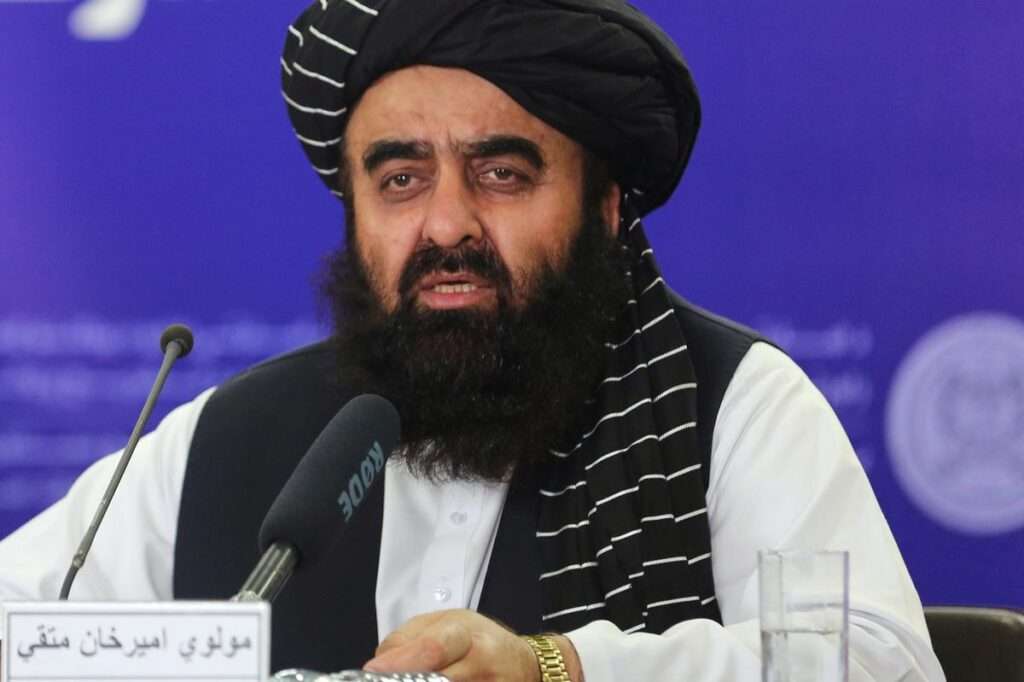
KABUL/MOSCOW — Afghanistan’s acting Foreign Minister, Amir Khan Muttaqi, will attend the seventh round of the Moscow Format consultations on October 7, 2025, in Moscow, Russia. This high-profile diplomatic engagement marks a crucial step for Afghanistan as the Taliban-led administration seeks to strengthen ties with regional powers and address pressing political, economic, and security challenges.
Moscow Format: A Platform for Regional Stability
The Moscow Format, launched in 2017, is a multilateral platform aimed at fostering dialogue among key stakeholders regarding Afghanistan’s peace, stability, and development. The upcoming meeting will bring together representatives from Afghanistan, Russia, China, India, Iran, Pakistan, Kazakhstan, Kyrgyzstan, Tajikistan, Turkmenistan, and Uzbekistan. Belarus has also been invited as a guest participant.
Significantly, this will be the first time the Taliban government participates as a full member rather than as a guest — a move that underscores Russia’s recognition of the Taliban administration and reflects Afghanistan’s growing diplomatic engagement. Russia remains the only major power to officially recognise the Taliban-led government, and the invitation demonstrates Moscow’s role in fostering a cooperative regional approach to Afghan stability.
Bilateral Meeting with Russian Foreign Minister
On the sidelines of the Moscow Format discussions, Minister Muttaqi will hold a bilateral meeting with Russian Foreign Minister Sergey Lavrov. The agenda is expected to include enhancing bilateral cooperation in trade, energy, security, and humanitarian aid.
Afghanistan is grappling with a severe economic crisis, international sanctions, and humanitarian challenges, and Russia’s support is seen as vital for easing the country’s isolation. Analysts suggest that this meeting could pave the way for expanded Russian investment in Afghan infrastructure, energy, and security cooperation.
Regional Implications
The Moscow Format talks take place amid growing geopolitical competition in South and Central Asia. For Afghanistan, participation in this multilateral forum provides an opportunity to strengthen ties with neighbouring countries, secure economic support, and gain diplomatic recognition.
For Russia, hosting the talks reinforces its role as a key mediator in Afghan affairs, while providing a platform to influence stability in Central Asia — a strategic priority for Moscow amid shifting global alignments.
Experts note that the talks could also impact Afghanistan’s relationships with Pakistan, China, and Iran, shaping regional cooperation frameworks in areas such as counter-terrorism, border security, and economic integration.
Minister Amir Khan Muttaqi’s participation in the Moscow Format talks and his bilateral meeting with Sergey Lavrov underscore Afghanistan’s growing diplomatic activism. As Afghanistan navigates political isolation and economic challenges, this engagement offers a strategic opportunity to strengthen regional cooperation and address critical national priorities.