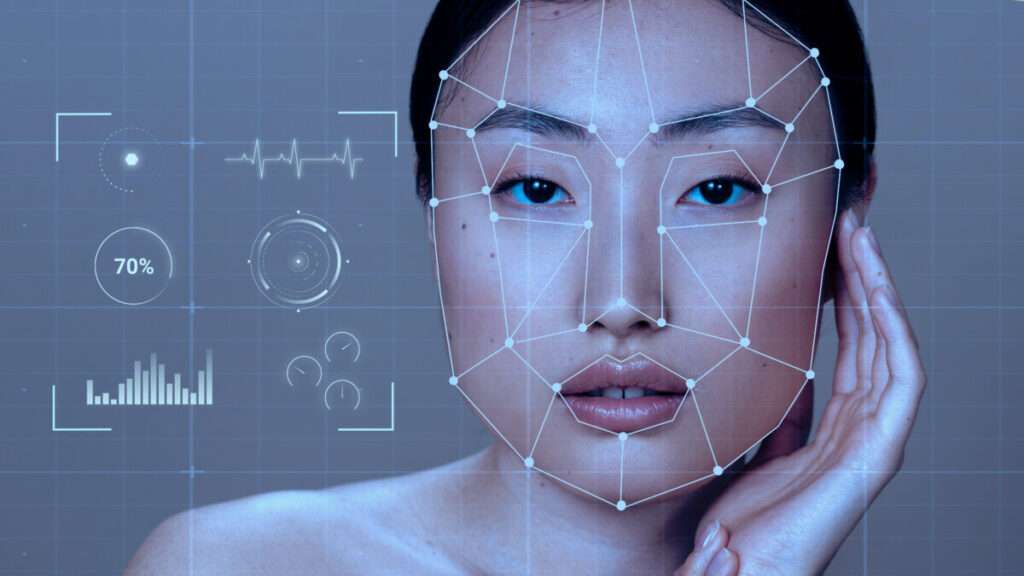
Artificial intelligence (AI) is emerging as a transformative force in dermatology, offering significant advancements in diagnostic accuracy, treatment planning, and prediction of patient outcomes. As skin-related diseases continue to rise worldwide, AI-driven innovations such as deep learning, teledermatology, and predictive analytics are poised to reshape how clinicians diagnose, treat, and manage dermatological conditions.
One of the most promising applications of AI lies in diagnostic support. Advanced algorithms, particularly convolutional neural networks, have demonstrated exceptional accuracy in analysing clinical and dermoscopic images to differentiate benign from malignant skin lesions. Recent studies have shown that AI can detect melanoma and other forms of skin cancer with accuracy rates comparable to expert dermatologists. These tools also enhance diagnostic capabilities in primary care settings, where non-specialists often rely on AI-powered systems to improve accuracy, reduce misdiagnosis, and ensure timely referrals for serious conditions.
Beyond diagnostics, AI is increasingly being used to personalise treatment strategies. By integrating patient data—including medical history, genetic information, skin type, environmental exposures, and previous treatment responses—AI models are able to suggest therapies most likely to yield successful outcomes. For chronic skin disorders such as psoriasis, eczema, and vitiligo, AI not only assists in assessing severity but also helps monitor treatment progress and make necessary adjustments in real time. The growing adoption of teledermatology platforms has further enhanced accessibility, enabling remote consultations and supporting dermatologists in determining whether in-person evaluations are needed.
Equally transformative is the use of AI in predicting patient outcomes. Predictive models trained on extensive datasets can forecast disease progression, anticipate relapse in chronic conditions, and estimate the likely response to various therapies. For instance, AI has been applied to predict the evolution of pigmentation disorders and to forecast the number of treatment sessions required in cosmetic dermatology. Such predictive insights not only improve patient counseling but also allow healthcare systems to prioritise resources and optimise care pathways.
However, the integration of AI into dermatology is not without challenges. A critical concern is algorithmic bias, as many AI systems are trained predominantly on images of lighter skin tones, resulting in reduced accuracy for patients with darker complexions or rarer dermatological conditions. Ethical considerations around data privacy, transparency, and the so-called “black box” nature of AI decision-making also continue to spark debate. Additionally, regulatory frameworks and real-world clinical validation remain essential to ensuring that these technologies can be safely and effectively implemented in routine practice.
Despite these challenges, the potential of AI in dermatology is undeniable. From early cancer detection to personalised therapies and reliable outcome prediction, the technology is already making measurable impacts in research and clinical environments. Experts believe that as datasets grow more inclusive, algorithms become more explainable, and healthcare systems adapt to digital integration, AI will play a pivotal role in delivering faster, more accurate, and more equitable dermatological care.
As the technology continues to mature, dermatology stands at the threshold of a new era where patients and clinicians alike can benefit from AI-driven innovations that enhance efficiency, improve accuracy, and ultimately lead to better health outcomes.