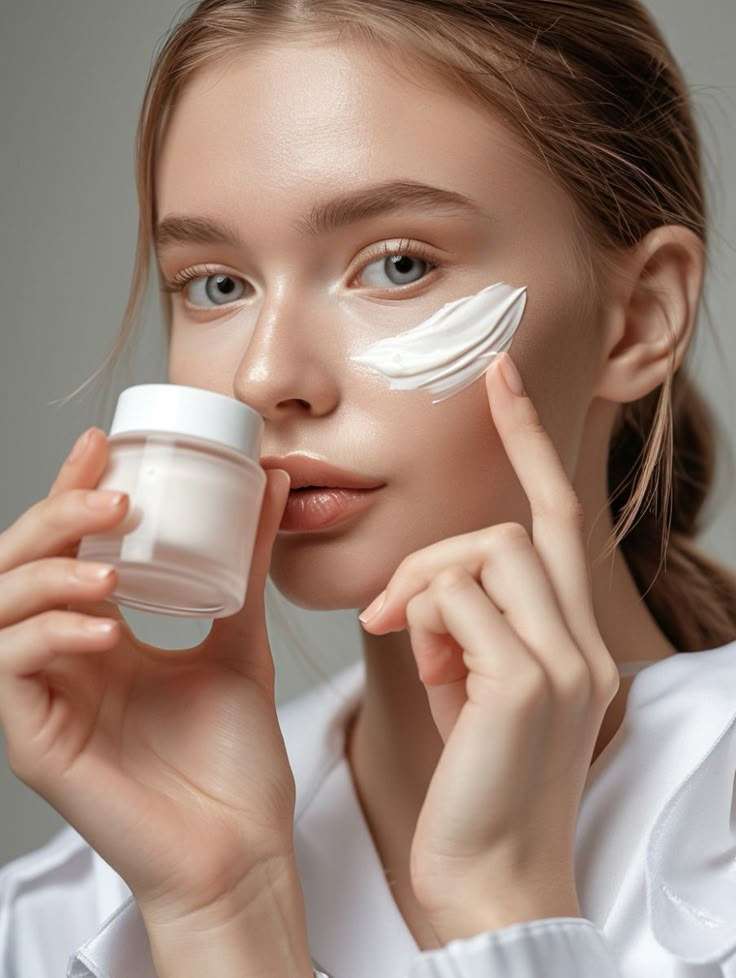
The cosmeceutical industry is witnessing rapid innovation in 2025, with new cosmetic ingredients designed to target anti-aging effects and support skin barrier repair. As consumer demand for advanced skincare products rises, experts emphasize the importance of evaluating both the safety and effectiveness of these emerging compounds.
In the anti-aging segment, traditional ingredients such as retinoids, peptides, and alpha-hydroxy acids (AHAs) remain widely used. However, recent years have seen the introduction of novel bioactive compounds, including plant-derived peptides, growth factor analogues, and stabilized antioxidants. These ingredients are claimed to reduce fine lines, improve skin elasticity, and enhance overall complexion. Studies suggest that while some of these compounds demonstrate promising results in controlled laboratory settings, their long-term effects on diverse skin types are still under investigation.
Skin barrier repair has become a crucial focus for dermatologists and cosmetic chemists. Disruption of the skin barrier can lead to dryness, sensitivity, and accelerated aging. New ingredients such as ceramide analogues, niacinamide derivatives, and microbiome-friendly prebiotics aim to restore and maintain barrier function. These components work by reinforcing the lipid matrix of the skin and promoting beneficial microbial activity, which can help reduce inflammation and support skin resilience. Early clinical trials have reported improved hydration levels and reduced transepidermal water loss, but dermatologists caution that individual responses may vary.
Safety remains a paramount concern in the cosmeceutical space. Experts advise that even naturally derived or “clean-label” ingredients can cause irritation or allergic reactions if not properly formulated. Regulatory agencies in India and abroad are increasingly scrutinizing new cosmeceutical formulations, emphasizing the need for transparent labeling and thorough clinical testing. Consumers are encouraged to patch-test new products and consult skincare professionals when introducing novel ingredients into their routines.
Market trends indicate that the demand for multifunctional cosmeceuticals is rising. Consumers now expect products that deliver visible anti-aging results while simultaneously repairing and protecting the skin barrier. As research continues, collaboration between cosmetic chemists, dermatologists, and regulatory authorities will be critical to ensuring that innovative ingredients are both safe and effective.
In conclusion, 2025 marks a significant year for cosmeceuticals, with promising developments in anti-aging and skin barrier repair ingredients. While the potential benefits are substantial, rigorous safety assessments and clinical validation remain essential. With informed choices and careful monitoring, consumers can take advantage of these innovations to achieve healthier, more resilient skin.