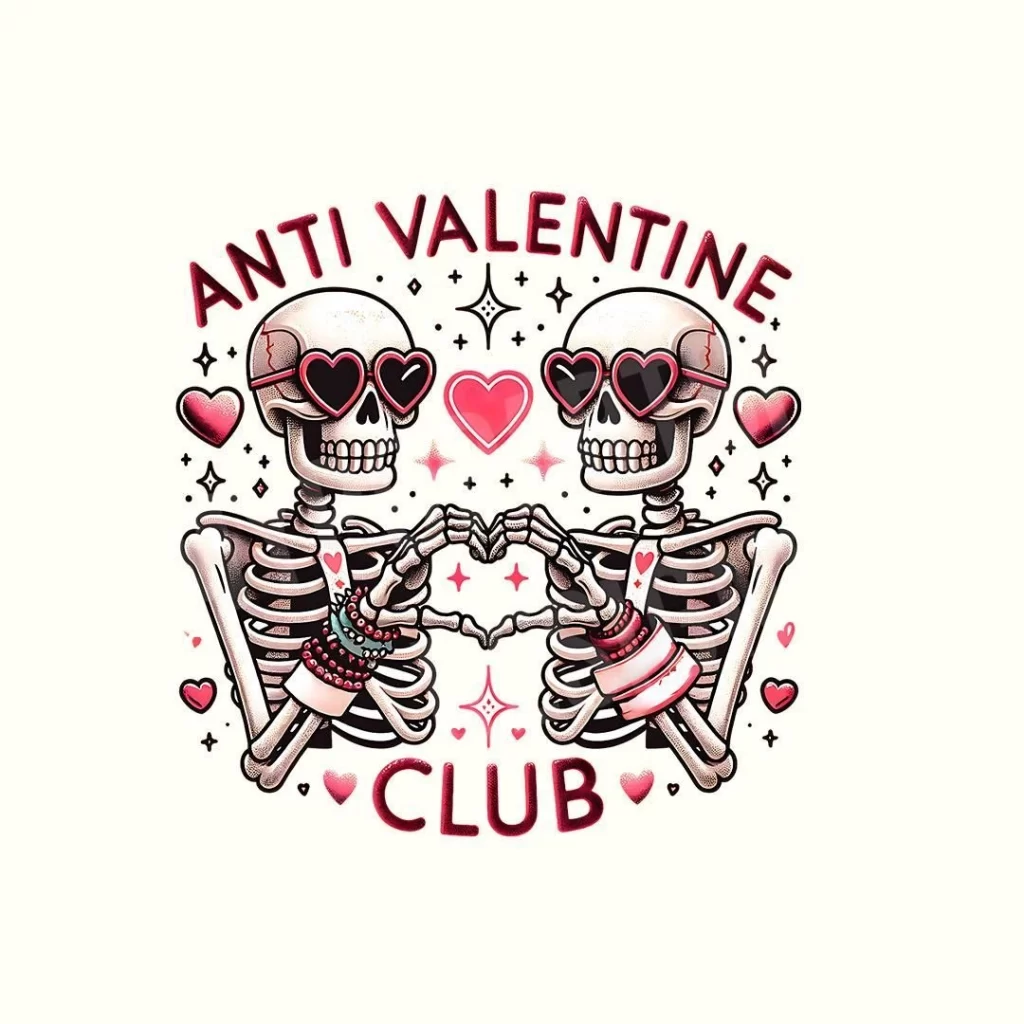
On February 14, 2026, the hearts on Valentine’s Day start to fade, and a new campaign develops online: Anti-Valentine’s Week, which lasts from February 15 to 21. A lot of people love this seven-day story that starts with the symbolic fight on Slap Day and finishes with the final goodbye on Breakup Day. It allows lonely people, people who are injured, and those who love themselves a funny method to deal with the stress of dating.
The Start and Growth of Anti-Valentine’s Week
Young people launched Anti-Valentine’s Week to have fun and blow off steam by making fun of how commercialized Valentine’s Day has become. In 2014, WhatsApp forwards and Facebook lists helped it spread in India. By the 2020s, it was a big deal on social media all around the world. It wasn’t produced by one person; it spread naturally through blogs and festival calendars. This shows the distinction between black comedy and the pink-hued hysteria.
Polls reveal that Anti-Valentine’s Day is becoming more popular. Almost 38% of Gen Z misses celebrating Valentine’s Day every year. About 30% to 32% of people in the U.S. don’t celebrate at all. More and more brands and creators are embracing this “emotional exhale” time after Valentine’s Day to develop self-care content that gets a lot of attention.
The Complete 2026 Anti-Valentine’s Week Calendar
This week is organized so that it progresses from rejection to meditation, with each day filled of symbolic rites. This is the complete list of things that will happen in 2026:
February 15 is Slap Day, a day to figuratively slap bad exes and warning flags.
Kick Day (February 16): Let go of unhealthy habits and mental baggage.
February 17 is Perfume Day. Try new perfumes to feel better about yourself.
Flirt Day (February 18): Flirting without any strings attached.
Confession Day (February 19): Being honest about how you feel or what you know.
Day of Loss (February 20): Think about what you’ve lost.
February 21 is Breakup Day, which means the end of toxic relationships.
February 16 is Kick Day, and it urges people to quit being negative. This is a great time for it to spread.
What it means to have a Day-by-Day Breakdown and how to celebrate
February 15 is Slap Day, also known as the Fiery Opener.
People “slap” away their past difficulties by deleting old correspondence and posting their concerns online on Slap Day. There isn’t really any violence. “Emotionally slap the red flags” captions dominate our social media feeds, turning misery into funny memes. It’s a chance to let go of your sentiments and get over all the Valentine’s Day hype.
Kick Day is on February 16, and it’s all about letting go of things that are holding you back.
Today is all about getting rid of things that are holding you back, like worry, bad friends, or even yourself. A lot of individuals are doing things like going to the gym, getting rid of poor food, or unfollowing a lot of people at once. People are now posting films of themselves declaring, “I kicked my ex out of my mind.” It helps people heal before they get sick, which is in line with mental health awareness.
February 17 is Perfume Day. The name means “scent of renewal.”
Perfume Day is a less intense version of a turnaround that involves putting on new scents to signal new beginnings and make individuals look better. People post “smelling like self-love” and look for unique scents. These are subtle ways of saying they wish to be sexual again after a divorce.
Flirt Day is February 18, and there are no strings attached.
There are no rules about flirting here, so it’s entertaining. You can send DM presentations, winks, or just have coffee discussions for fun. Gen Z likes things to be peaceful and comfortable, so they don’t want to become too serious on Valentine’s Day.
Truth Bombs for Confession Day (February 19)
People talk to each other about their crushes, grudges, or secrets, which makes them feel weak. A lot of people like anonymous posts right now since they are funny and let you vent.
Missing Day (February 20): A Sad Memory
It’s sad to remember an ex in a healthy way, such by looking at old pictures or listening to sad music, without getting back together. It means that growing up means being sad.
February 21 is Breakup Day, which means the end of everything.
After the finals, people find the strength to end bad relationships. People also like “breakup playlists” and hanging out with friends. It’s not against love; it’s for your own good.
Why Anti-Valentine’s Week is Going Crazy Online in 2026
It’s worse because of social media. #AntiValentines tags get millions of likes, which is more than certain Valentine’s hashtags do among young people. Gen Z and millennials, who don’t like commercialization, love it—preferring memes over roses because they are weary of dating apps and don’t have much money. YouGov indicates that only 37% of adults in the U.S. plan to celebrate Valentine’s Day, so this option is still open.
It began in India, where it is very popular. Influencers have made posts that mix sass and self-care even more popular. Studies show that Valentine’s Day makes people feel more alone and anxious, especially those who are unmarried (62% of them don’t go). Things like “Galentine’s” twists or anti-romance parties are not part of Anti-Valentine’s Day.
How it affects culture and the mind
Experts like the therapeutic side: using metaphorical rituals to help individuals move on and putting personal improvement ahead of relationships can make people feel better about themselves. Psychiatrists say that people get stressed up on Valentine’s Day because they compare themselves to others. Anti-Valentine’s Day, on the other hand, normalizes being single and makes people feel less alone. individuals who study culture say it’s “heartbreak therapy in viral form,” which means it tells individuals to be honest instead of pretending.
It goes against cultural norms: After the pandemic, the globe values honesty, so it doesn’t accept $29 billion in U.S. spending sprees for free, related items. Therapists say that items that encourage self-love can help people set boundaries, and brands are changing to meet this need.
Voices from the Trend: Real Stories and Numbers
“Slap Day got me out of my situationship, and now I’m doing great on my own,” said one Gen Z TikToker. It has been seen by more than 5 million people.
Surveys show that 35% of millennials joined because they were “tired of relationships.”
A lot of people on Reddit do “breakup rituals” and potlucks to get together against Valentine’s Day.
Valentine’s Day hashtags reach billions of people, but Anti-Valentine’s Day specialist tags are growing by 40% a year among persons under 30.
Anti-Valentine’s Week 2026, which runs from Slap Day to Breakup Day, is becoming viral on social media and reaching millions of people.