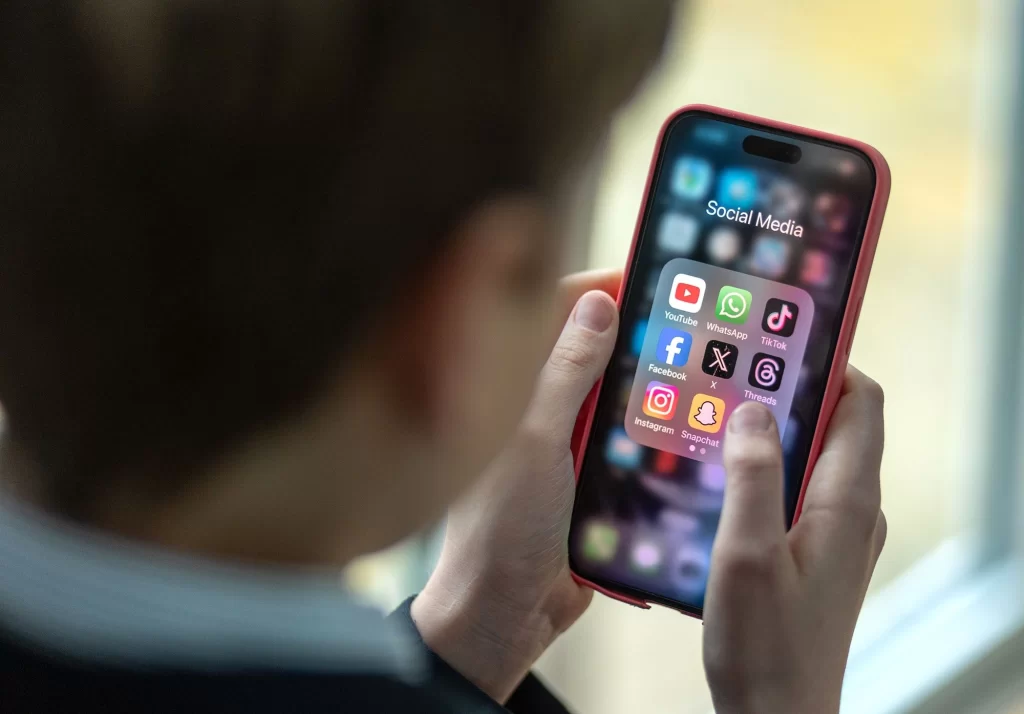
Australia’s groundbreaking ban on social media use for individuals under the age of 16 officially takes effect on December 10, 2025, marking one of the world’s toughest regulatory actions aimed at protecting children online. The new policy mandates major platforms — including TikTok, Meta-owned Facebook and Instagram, and YouTube — to identify and remove users under 16 or face penalties reaching tens of millions of dollars. The reform has triggered an international debate on youth mental health, digital safety, and the future of global tech governance, with several nations observing closely as potential adopters of similar policies.
A New Regulatory Era
The legislation requires social media companies to implement stringent age-verification processes, conduct regular audits, and ensure immediate removal of underage accounts. Authorities have emphasized that the objective is not merely punitive but corrective, compelling the tech industry to prioritize child safety as a non-negotiable responsibility.
Key provisions include:
- Mandatory age verification for all new accounts
- Removal of profiles belonging to individuals under 16
- Heavy fines for non-compliance
- Stronger reporting mechanisms for harmful content
- Enhanced parental control and transparency obligations for platforms
Government officials have framed the law as a necessary response to persistent concerns surrounding the negative effects of excessive social media exposure on young users. These include rising anxiety and depression, cyberbullying, inappropriate content exposure, and addictive digital behavior patterns.
Global Debate on Youth Mental Health and Tech Addiction
The ban has reignited long-standing conversations around the psychological impact of social media use among minors. Parents’ groups, child psychologists, and online safety advocates have largely welcomed the measure, citing research that links prolonged screen time and social media engagement with increased emotional stress, sleep disruption, and poor academic performance.
Experts argue that the ban could offer an opportunity for meaningful resets in children’s routines, fostering healthier offline interactions and reducing the pressure created by algorithm-driven content feeds.
However, critics warn that the policy could push minors into unmonitored digital spaces or encourage the use of false identities. Others argue that digital literacy and supervised access, rather than blanket bans, may be more effective in the long run.
Tech Giants Under Scrutiny
Technology companies now face the logistical challenge of deploying robust age-verification tools that can accurately identify minors without compromising user privacy. Several platforms have expressed concerns that the requirements may necessitate significant overhauls to their systems, but compliance is unavoidable under the threat of steep penalties.
Industry analysts note that this development may set a precedent for global enforcement standards. Should Australia successfully implement the ban, other governments may adopt similar measures, sparking what some describe as a worldwide shift toward stricter digital regulation.
International Implications
Countries across Europe, Asia, and North America are closely monitoring Australia’s rollout. Policymakers worldwide are seeking strategies to balance innovation with public well-being, and Australia’s approach could become a case study in large-scale youth protection.