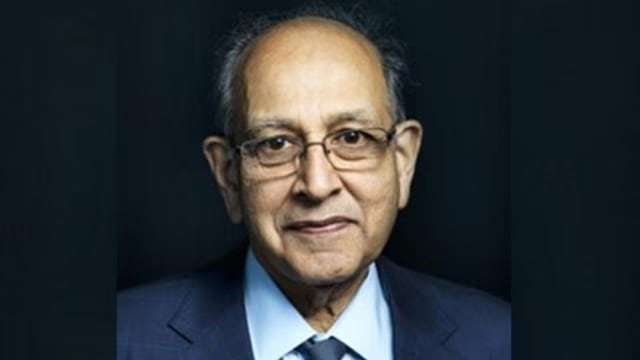
In an extraordinary turn of events within one of India’s most storied corporate institutions, trustee and vice-chairman Vijay Singh has publicly decried his exclusion from the Tata Sons board as “unprecedented,” signaling deepening fault lines in the governance of the Tata Trusts. His remarks come amid a fierce internal battle over the future direction of the $180-billion Tata conglomerate, raising fresh questions about governance, legacy, and power within the house of Tata.
Context and Stakes
Tata Trusts holds approximately 66 percent of Tata Sons, making it the dominant force in shaping appointments and strategy at the group’s apex. At the heart of the conflict is a vote by a bloc of trustees that opposed Singh’s reappointment as a nominee director to the Tata Sons board. Singh, a former Defence Secretary and long-standing Tata insider, contended that putting internal matters to a vote starkly departs from the consensus-based tradition espoused by the late Ratan Tata.
The move has exposed fissures between two competing trustee coalitions. One side, aligned with Noel Tata and trustees Venu Srinivasan and Vijay Singh himself, advocates preservation of continuity, discretion, and restraint. The opposing faction argues for greater transparency, accountability, and institutional reform.
Key issues fueling the rift include the nomination of board candidates and the question of whether Tata Sons should be publicly listed. While Tata Sons has applied to deregister as an NBFC to skirt compulsory listing requirements, the Shapoorji Pallonji (SP) Group—which owns about 18.37 percent—has advocated listing to unlock value.
Government Mediation & Board Meeting
Alarmed by instability at the group’s helm, the Indian government intervened. Senior ministers reportedly met with Tata leadership to urge resolution of the internal dispute and restore cohesion. In response, Tata Trusts directors convened a meeting to address the boardroom impasse, with speculation that reconciliation efforts and fresh nominations may be tabled.
Observers note that an extended deadlock could paralyze decision-making at the top at a critical juncture for Tata—especially when industrial transition, capital allocation, and expansion strategies demand unity and clarity. The fact that the internal feud has spilled into public view is itself a departure from prior practice, underscoring that Tata Trusts may indeed be entering a “different era,” as Singh suggested.
Conclusion & Implications
Vijay Singh’s vocal criticism over being blocked from the Tata Sons board has peeled back layers of internal tension long concealed within Tata’s philanthropic and holding arms. The episode confronts the group with a strategic and symbolic reckoning—between tradition and transparency, discretion and openness. As government actors press for a mediated outcome, the resolution of this crisis will test whether the century-old Tata ethos can accommodate evolution without fracturing its core identity. For India Inc. and markets alike, stability at the Trusts level is not just about boardroom control—it carries implications for investor confidence and the governance of one of the country’s most influential corporate houses.