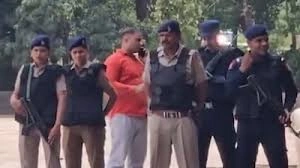
Thursday morning in Chandigarh started off with a bang, though not the kind anyone wanted. The Punjab and Haryana High Court, a cornerstone of the legal system in northern India, found itself in a state of heightened vigilance. The phone rang, and a voice on the other end delivered a bomb threat, throwing the place into chaos.
Hundreds of lawyers, court personnel, and visitors were swiftly evacuated. While bomb disposal teams searched the building and security tightened throughout the area, one question hung in the air: who had made the call?
Was it a trick, or was it something worse? This isn’t just a local issue; it’s a symptom of something larger.
Bomb threats targeting India’s public institutions, including airports and courthouses, are on the rise, fueled by both the anonymity of the internet and escalating political strife.
The threat was received at 10:30 AM IST, precisely when the court’s daily business was underway.
A man on the phone said that explosives had been planted in the building, which made the high court’s administration respond right away. Within minutes, sirens were off, and everyone was led outside to an open area nearby. After hours of searching, no device was located. The repercussions linger, though. Trials are postponed, public trust has crumbled, and the investigation is taking some unexpected turns.
The Moment Things Went Wrong
Imagine this: lawyers in black coats holding briefcases, judges leaving in the middle of a case, and family waiting for case updates suddenly flooding the streets. The Punjab and Haryana High Court, which opened in 1966, deals with everything from civil cases to important criminal appeals in two states and the union territory of Chandigarh. It’s not unusual for a lot of people to walk through its busy hallways, where more than 100 cases are heard every day.
The call came from an unknown location, but it has been traced back to a cellphone number that is now being looked at very closely. Police said the caller spoke Hindi with a probable Punjabi accent and asked for attention to “some issues” before dropping the bomb warning. The evacuation went quickly. By 11 AM, the 10-story building was empty except for sniffer dogs and bomb squads from the National Security Guard (NSG) and local police.
People who saw it happen gave detailed accounts. “I was in the middle of fighting about land when the announcement came,” said advocate Rajinder Singh, who has worked here for 15 years. “People were scared, but the personnel did a good job. Still, it’s scary. This is where justice happens, not on a movie set. There were no injuries, but the disturbance spread: traffic on the Madhya Marg highway got stuck, and schools in Sector 1 were put on alert for a short while.
Security Response: From Alert to Lockdown
Security wasn’t caught off guard. Within 20 minutes, a multi-agency drill began, which is regular procedure that has been improved after previous threats. Here’s what unfolded:
A swift evacuation was underway. Court marshals assisted over 500 individuals in under ten minutes.
Search efforts commenced. NSG commandos, along with canine units and the Chandigarh Police’s bomb detection squad, meticulously searched every floor, the basement, and the parking areas. They utilized metal detectors and vapor trace technology in their efforts.
Perimeter control was established. Additional personnel from the Punjab and Haryana Police cordoned off a one-kilometer radius, while drones surveyed the rooftops.
Digital forensics were employed. The call’s audio was captured and then sent to the cyber cells. They were tasked with analyzing the voice and pinpointing the originating number’s location.
The all-clear was issued around 4 PM on April 2, 2026.
Chief Justice Gurmeet Singh Sandhawalia spoke to the bar association and said that things would return to usual on Friday, but that there would be more security checks, like bag scanners at all entrances. He responded firmly, “Fear will not control justice.”
This wasn’t a one-person show. The Punjab Police are patrolling more courts in Mohali and Panchkula, while the Haryana home department has sent out alerts for its regions. In a city like Chandigarh, where everything is planned down to the last tree, these kinds of problems are really serious. They show that the government is working well.
A Scary Pattern of Threats All Over India
Bomb threats in India aren’t new, but they’ve been happening more often lately. Do you remember the 40 or so schools in Delhi that got email threats just a few weeks ago? Or the fake airport calls that stopped planes from Mumbai to Bengaluru? The National Crime Records Bureau (NCRB) says that there were more than 1,800 fake calls in 2025, which is 25% more than the year before. But courts are becoming easy targets.
Why now? Experts say that burner phones and apps like Telegram make it easy to make anonymous threats. There are also political problems. The farmer demonstrations in Punjab are still fresh in people’s minds, and the Jat agitations in Haryana have made things worse. Last month, a similar hoax attacked the Rajasthan High Court. It was tracked back to an unhappy litigant.
This is similar to what is happening in other parts of the world. After the 2020 election, there were a lot of threats of court action in the US. In the UK, the courts got anonymous calls because of the aftermath from Brexit. But India’s problems are different: there are huge backlogs (over 50 million cases waiting to be heard) that make courts pressure cookers, making any disturbance worse.
What makes someone call for this? Is it retribution for losing a lawsuit, anger over an idea, or just a need for excitement? Investigations often show that the reasons behind anything are rather boring. For example, in a 2024 case in Delhi, a school threat was tied to a youngster who was trying to avoid taking tests. But the Punjab and Haryana investigation suggests there may be more going on, as investigators look into links to online separatist talk.
Looking into the investigation: Who’s behind it?
The Special Investigation Team (SIT), lead by Chandigarh SSP (cyber), is on the matter as of 10:32 PM IST on April 2. Early clues: the number was a prepaid SIM card bought in Amritsar and activated a few days before. Call logs suggest that it pinged towers near the Golden Temple area before going silent.
Talking to those who work in the court can give you clues. Some lawyers are talking about recent controversial decisions, such the dismissal of a big drug cartel appeal or farm law issues. A top prosecutor added off the record, “We’ve got threats before, but this one felt personal.” No group has taken responsibility yet, which is different from other Khalistani-related events.
Cyber detectives are looking through dark web forums and WhatsApp groups that are known for these kinds of pranks. AI voice-cloning technology, which is now inexpensive thanks to apps, might be used to copy accents and throw off traces. The SIT has 48 hours until they can extend their custody, but they are hopeful. A insider told us, “We’ve cracked tougher ones.”
What do these mean for the bigger picture? This could have something to do with Punjab’s unstable combination of politics and activism. With assembly elections coming up in 2027, some fringe groups might try to see how things go. Haryana, on the other hand, is dealing with its own caste-based problems. Have you ever thought about how one call can stop a court system that serves 60 million people?
Voices from the Ground: What Lawyers and Citizens Say
The human side really touches home. Bar groups in Punjab and Haryana spoke out against the act and called for faster convictions for anyone who make false claims. Right now, the maximum sentence under IPC Section 505 (public mischief) is three years, which is routinely suspended. The president of the Panjab and Haryana High Court Bar Association said, “Make it non-bailable.”
People aren’t quiet either. #HighCourtBombThreat went viral on social media, with a combination of anger and memes. “First schools, now courts? A person from Chandigarh tweeted, “When does it stop?” Businesses near the court lost a day’s worth of sales, and cafes in Sector 17 were vacant.
Women who spoke out about safety triggered red flags. Neha Gupta, a young lawyer, stated, “We already have enough problems; threats make them worse.” Families of judges got quiet protection, which showed how hard it was on them personally.
Long-Term Solutions: Strengthening Defenses
This frighten shows where there are holes. Courts depend on old CCTV cameras (a lot of the ones in Punjab and Haryana are from 2015) and not enough security officers. After the incident, plans are in the works:
Tech upgrades: AI-monitored danger monitoring and facial recognition at entrances.
Training Drills: Every three months, all staff will take part in mock drills.
Legal Teeth: Demand stricter laws, including the US’s five-year minimum for threats.
Public Awareness: Hotlines for reporting strange behavior without getting scared.
Last year, the central government promised money for “safe judiciary” projects through the Ministry of Home Affairs. But tier-2 cities are slow to put it into action.
Looking Ahead: Is Justice Under Attack?
When the sun went down on this crazy day, the high court was quiet and the lights came back on. No bombs, but trust has been hurt. The investigation is still going on, and answers should come soon. For now, Punjab and Haryana are getting ready for echoes—more checks and cautious looks.
This isn’t simply a problem for Chandigarh. These kinds of threats put the rule of law itself under danger because India’s courts are already overloaded. Will stronger measures stop the cowards who hide behind fake names? Or do we have to deal with more shocks? This system is clearly defined by its robustness. Hearings will start up again tomorrow, and justice will not be broken.
Bomb threats rattled Punjab and Haryana, triggering a wave of panic at the High Court and a major security response.