
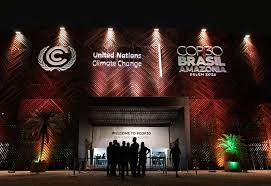
BELÉM, Brazil — As the 30th United Nations Climate Change Conference (COP30) unfolds in the heart of the Amazon, urgent calls for a fossil-fuel phase-out are reverberating throughout the summit. Held from November 10 to 21, 2025, the conference has become a crucible for debate on how to reconcile global energy demands with the existential threat of climate change.
A Moral Reckoning and Political Pressure
At the opening of COP30, U.N. Secretary-General António Guterres delivered a forceful warning, stating that missing the 1.5 °C warming target would be “a moral failure and deadly negligence.” He urged world leaders to move from promises to concrete action, emphasizing that even a temporary overshoot could trigger irreversible tipping points.
Brazilian President Luiz Inácio Lula da Silva has publicly backed a “road map” to phase out fossil fuels. His call has gained traction, with countries such as Germany, the United Kingdom, Denmark, Kenya, and France rallying around the initiative.
Fossil Fuel Lobbyists Flood the Conference
Despite the push for decarbonization, the summit faces pressure from the fossil fuel industry. More than 1,600 fossil fuel lobbyists are attending COP30, comprising roughly one in every 25 participants — the largest share of industry representation ever recorded at UN climate talks.
Critics argue that such a massive presence by fossil fuel interests undermines the credibility of negotiations. “This is corporate capture, not climate governance,” said Lien Vandamme, a senior campaigner for human rights and climate change.
Grassroots Voices and Indigenous Demands
On the ground, Indigenous leaders and climate activists are mobilizing powerful opposition. Global grassroots and Indigenous representatives are demanding a “funded, fast, fair” fossil fuel phase-out.
Olivia Bissa, president of the Chapra Nation in the Peruvian Amazon, issued a stark warning: “If we continue to extract hydrocarbons from the Earth, we will exterminate ourselves.”
Tzeporah Berman, chair of the Fossil Fuel Non-Proliferation Treaty Initiative, welcomed Lula’s rhetoric on the phase-out but sharply criticized Brazil’s approval of new oil drilling near the Amazon. She urged negotiators to back an international treaty that legally obliges countries to limit fossil fuel production.
A Divided Road Map
While several countries support the idea of a fossil fuel transition roadmap, critics caution that the issue may be watered down in final agreements. The roadmap concept is not formally on the COP negotiating agenda. Oil-producing nations, including Saudi Arabia, have reportedly pushed back. The lack of a firm timeline or binding commitments raises doubts about how much real progress will emerge from Belém.
Key Demands at COP30
| Demand | Proponents |
|---|---|
| Just Transition Roadmap | Brazil, Germany, UK, Kenya, civil society groups |
| Binding Fossil Fuel Treaty | Fossil Fuel Non-Proliferation Treaty Initiative, Indigenous leaders |
| Lobbyist Restrictions | KBPO coalition, transparency advocates |
The Amazon’s Shadow: Contradictions at Play
COP30’s location in Belém — at the gateway to the Amazon rainforest — is deeply symbolic. Yet critics point to a troubling contradiction: Brazil has approved oil exploration near the Amazon delta even as it hosts global climate talks. Indigenous protestors have called it “greenwashing,” demanding not just symbolic action but real protections for their lands.
Looking Ahead: What COP30 Could Deliver
If negotiators can strike a deal on a credible roadmap, COP30 may mark a turning point in international climate diplomacy. Such a roadmap could set concrete timelines for phasing out coal, oil, and gas, backed by funding for vulnerable countries and support for workers in fossil fuel–dependent sectors.
However, for many climate advocates, the test will not be in rhetoric but in results. Will COP30 produce binding language or simply vague “road maps”? Will the voices of frontline communities shape the final outcome?
As the summit progresses toward its conclusion, the world will be watching — not just for pledges, but for real, actionable pathways away from fossil fuel dependence.

