
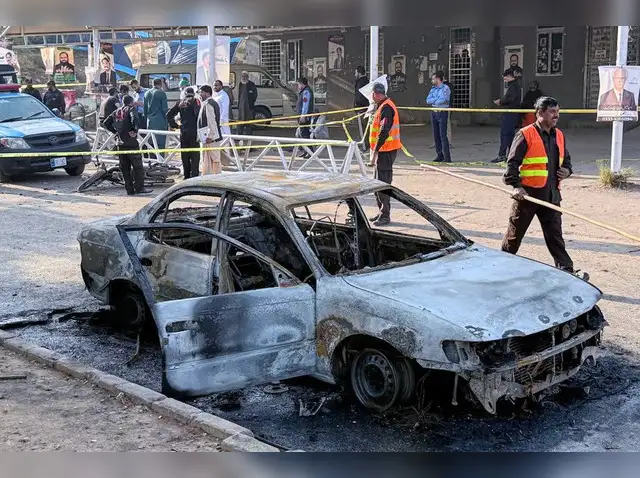
A devastating suicide bombing struck outside the district court complex in Islamabad on November 11, 2025, killing at least 12 people and injuring more than 30. The attack, described as the deadliest in the Pakistani capital since 2008, has reignited concerns over domestic security and further strained already tense regional relations. At the same time, the ongoing cricket tour by the Sri Lankan national team in Pakistan has been thrown into turmoil, raising questions about safety, diplomacy, and the future of international sport in the country.
The bomb blast occurred in the G-11 sector outside the court building, a high-security area in Islamabad. Pakistani authorities immediately launched a detailed investigation, with senior officials blaming militants including the Tehreek-e-Taliban Pakistan (TTP) for orchestrating the explosion. However, the TTP later denied any involvement. Prime Minister Shehbaz Sharif alleged that Indian-backed, Afghan-based militant proxies were responsible for the attack—an accusation strongly rejected by India. Pakistan’s Defence Minister, Khawaja Asif, went further to warn that the country was in a “state of war” with Kabul, underscoring the gravity of the situation.
The repercussions of the bombing extend beyond security concerns and have cast a shadow over Pakistan’s efforts to host international cricket. The country’s interior minister, who also serves as the chairman of the Pakistan Cricket Board (PCB), met with the Sri Lankan delegation to assure them of maximum safety. However, several Sri Lankan players reportedly expressed deep reluctance to continue the tour after witnessing the aftermath of the explosion and its proximity to their hotel and match venues in Rawalpindi.
Despite these concerns, the Sri Lanka Cricket Board (SLC) issued a directive instructing all players and staff to remain in Pakistan and complete the series, warning that any unauthorized departure would result in disciplinary action. In response, the PCB relocated all remaining matches of the ongoing tri-nation T20I series—featuring Pakistan, Sri Lanka, and Zimbabwe—to Rawalpindi under strict security measures. The Pakistan Army has also been deployed to ensure the safety of all players and venues, marking one of the largest sports-related security operations in recent years.
This attack threatens to undermine Pakistan’s decade-long effort to rehabilitate its image as a safe destination for international cricket. The country has worked tirelessly to rebuild confidence after the 2009 terrorist attack on the Sri Lankan cricket team in Lahore, which had forced Pakistan to host home matches abroad for nearly a decade. Analysts warn that the Islamabad bombing could further isolate Pakistan diplomatically while also reviving fears among foreign teams considering future tours.
Beyond the realm of sports, the incident has added another layer of complexity to the already fragile India-Pakistan-Afghanistan relationship. The timing of the blast—coming just a day after a major explosion in New Delhi—has reignited speculation about a potential escalation in proxy conflicts between the nuclear-armed neighbors. Regional analysts suggest that this chain of events may push Islamabad to adopt a more aggressive security posture, potentially heightening instability across South Asia.
The Islamabad suicide bombing stands as a grim reminder of the volatility that continues to plague the region. While Pakistan attempts to project resilience by keeping the Sri Lanka series alive, the broader implications extend well beyond the cricket field. The tragedy highlights how terrorism, diplomacy, and sport intersect in complex and unpredictable ways, and how delicate the balance remains between projecting normalcy and confronting persistent threats.

