
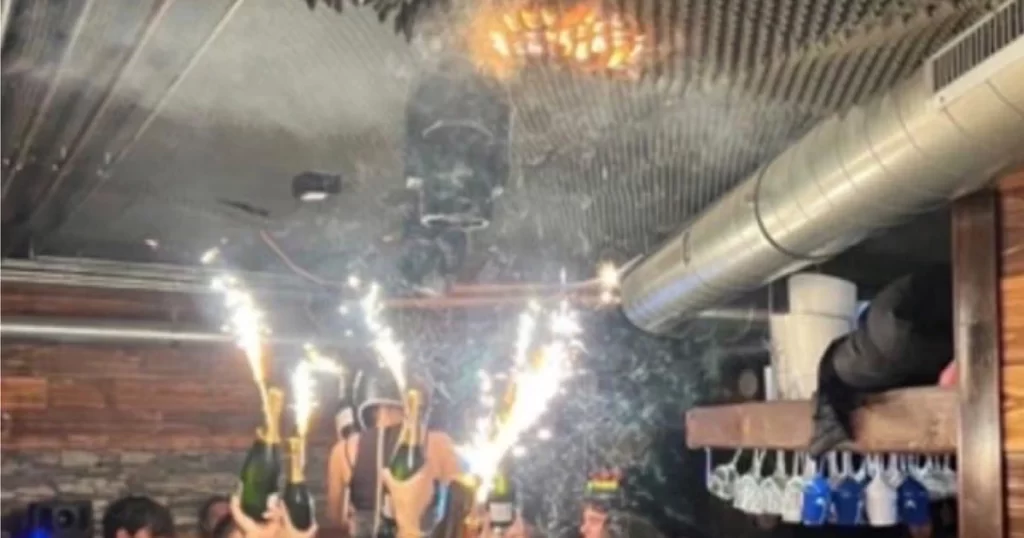
A devastating fire tore through the crowded Le Constellation bar at the prestigious Crans-Montana ski resort in Switzerland on New Year’s Eve 2026, leaving at least 40 people dead and more than 115 injured. The tragedy, which unfolded just minutes before midnight, has sent shockwaves across Switzerland and the international tourism community, casting a somber shadow over what was meant to be a night of celebration.
A Night of Celebration Turns Tragic
According to preliminary accounts, the blaze erupted inside the popular après-ski venue while hundreds of guests were gathered to welcome the New Year. Panic spread rapidly as thick smoke filled the enclosed space, making evacuation extremely difficult. Emergency alarms were reportedly triggered, but witnesses described chaotic scenes as patrons struggled to find exits amid overcrowding.
Crans-Montana, known globally for its luxury ski tourism, was operating at near-full capacity due to peak holiday season. The high footfall, combined with confined indoor spaces, significantly worsened the impact of the incident.
Emergency Response and Rescue Operations
Swiss emergency services launched a large-scale rescue operation within minutes of the incident. Firefighters, paramedics, and air rescue teams worked through the night in freezing alpine conditions to evacuate survivors and transport the injured to nearby hospitals.
Key response details include:
- Rapid deployment of fire and medical units from surrounding cantons
- Use of helicopters to airlift critically injured victims
- Temporary medical stations set up near the resort
- Ongoing identification and support for victims and families
Authorities confirmed that several of the injured remain in critical condition, raising concerns that the death toll may increase.
Investigation Into Fire Safety and Cause
Swiss authorities have launched a full investigation into the cause of the Crans-Montana fire. Early lines of inquiry are focusing on possible electrical faults, overcrowding, and compliance with fire safety regulations. Officials have sealed off the bar as forensic teams examine structural damage and safety equipment.
The tragedy has reignited debate over fire safety standards in high-capacity nightlife venues, particularly in tourist hotspots during peak seasons.
| Aspect Under Review | Focus Area |
|---|---|
| Fire Safety Systems | Alarms, sprinklers, emergency lighting |
| Crowd Management | Maximum capacity compliance |
| Building Design | Exit accessibility and ventilation |
| Staff Training | Emergency evacuation procedures |
National Mourning and Global Reaction
The Swiss government expressed deep condolences, with senior officials calling the incident one of the deadliest civilian fires in recent national history. Flags were lowered in several regions, and moments of silence were observed at public New Year events across the country.
International leaders and tourism bodies also expressed solidarity, highlighting the global nature of the victims, many of whom were foreign tourists visiting the Swiss Alps for the holidays.
Broader Implications for Tourism Safety
The New Year’s Eve fire at Crans-Montana is expected to have lasting implications for Switzerland’s tourism and hospitality sector. Industry experts anticipate stricter inspections, revised safety protocols, and renewed emphasis on emergency preparedness in resorts and entertainment venues.
As investigations continue, the tragedy stands as a stark reminder that public safety must remain paramount, even during moments of celebration. For now, Switzerland mourns the lives lost, while the world watches closely for lessons that could prevent such a catastrophe from happening again.

