
August 5, 2025
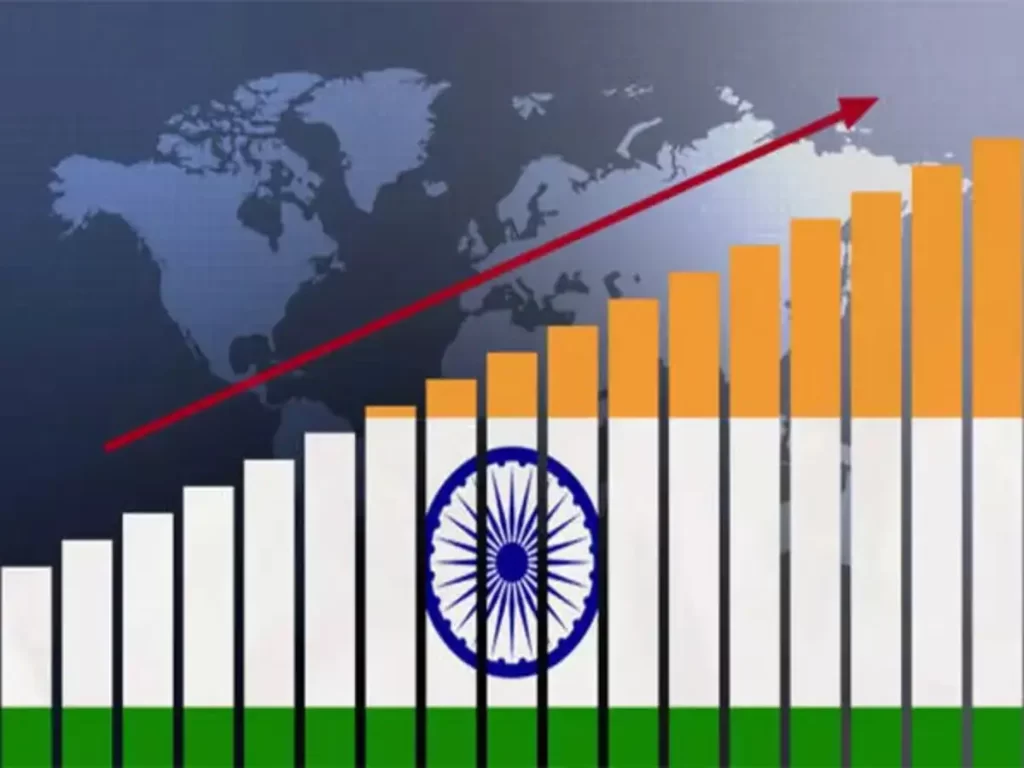
India’s economic trajectory continues to attract global attention, with Morgan Stanley’s recent report offering a bullish outlook on the country’s long-term growth. The report forecasts that India is on track to significantly expand its share in global output, potentially emerging as one of the top contributors to the world economy by the end of this decade.
India’s Growth Potential: A Closer Look
According to Morgan Stanley, India’s share of global GDP is projected to rise from 3.5% in 2023 to 4.7% by 2027. The report attributes this anticipated growth to a combination of structural reforms, favorable demographics, technological adoption, and increasing foreign direct investment (FDI).
Key drivers of India’s economic expansion include:
- Digital Transformation: India’s rapid digitization, particularly through initiatives like Digital India and UPI (Unified Payments Interface), has transformed access to services and financial inclusion. The country’s digital public infrastructure is cited as a “model for the world” in the report.
- Manufacturing Reforms and PLI Schemes: The government’s Production-Linked Incentive (PLI) schemes are incentivizing manufacturing across sectors like electronics, pharmaceuticals, and semiconductors, positioning India as a potential alternative to China in global supply chains.
- Young Workforce: With a median age under 30, India boasts one of the world’s youngest populations, providing a vast labor pool and a growing consumer base.
- Policy Stability and Capex Boom: Structural policy reforms, such as GST implementation and corporate tax cuts, have improved India’s business environment. A surge in government-led capital expenditure is further fueling infrastructure development.
Challenges Ahead
Despite the optimistic projections, Morgan Stanley cautions that India’s economic rise is not without hurdles. Key challenges include:
- Job Creation vs. Population Growth: While India’s labor force is expanding, ensuring quality job creation remains a concern, especially in rural and informal sectors.
- Geopolitical Tensions and Trade Dependence: Global uncertainties and supply chain disruptions could impact India’s trade outlook. Continued investment in domestic manufacturing is essential to mitigate external risks.
- Educational and Skill Gaps: Although India produces a large number of graduates annually, skill alignment with industry demands remains a gap that needs urgent attention.
India in the Global Economic Landscape
Morgan Stanley’s forecast reinforces the growing global consensus that India is poised to become the third-largest economy by 2027, overtaking Japan and Germany in nominal GDP. This transition, if realized, will mark a significant rebalancing of global economic power towards Asia.
India’s rising economic influence is also expected to reshape international partnerships. Trade deals such as the India-EU Free Trade Agreement (under negotiation) and strengthened ties with ASEAN and Africa are part of India’s global economic outreach strategy.
Conclusion
Morgan Stanley’s report underscores a positive outlook for India’s economy, built on strong fundamentals and reform-led growth. While the road ahead involves overcoming critical socio-economic challenges, the country’s proactive policy environment and demographic dividend position it well to capitalize on global shifts.
If the momentum continues, India could not only increase its share in global output but also emerge as a central pillar in shaping the 21st-century economic order.

