
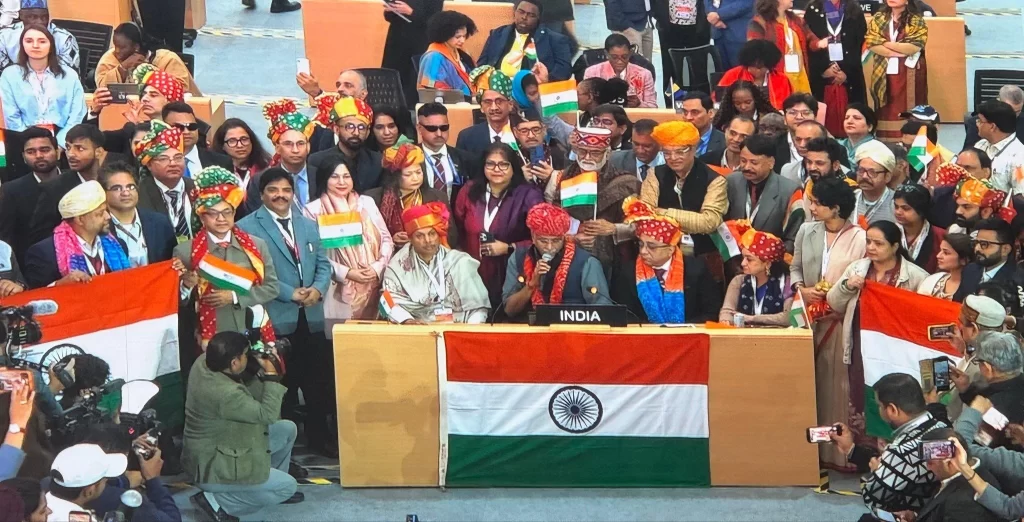
In a historic cultural milestone, UNESCO has officially inscribed Deepavali—one of India’s most widely celebrated festivals—on its Representative List of the Intangible Cultural Heritage of Humanity. The announcement has been welcomed across the nation, with Prime Minister Narendra Modi calling it a “moment of immense pride” that strengthens India’s rich cultural presence on the global stage.
A Global Honour for a Timeless Tradition
Deepavali, also known as Diwali, has long symbolised the triumph of light over darkness, knowledge over ignorance, and hope over despair. Celebrated by millions across India and the world, the festival encompasses rituals such as oil-lamp lighting, vibrant decorations, traditional sweets, community gatherings, and prayers for prosperity.
UNESCO’s recognition reinforces the festival’s cultural significance, acknowledging its inclusive nature and its role in promoting unity, social harmony, and spiritual reflection. According to officials, the inscription highlights Deepavali’s widespread cultural impact and its evolving expressions across different regions and communities.
Keyword Focus for SEO Effectiveness
- Deepavali UNESCO recognition
- Intangible Cultural Heritage of Humanity
- India cultural heritage
- Global recognition of Deepavali
- Prime Minister Modi on UNESCO decision
India Celebrates Inclusion on Heritage List
Responding to the announcement, Prime Minister Narendra Modi stated that the UNESCO listing was “a proud moment for every Indian,” adding that Deepavali’s global identity would now be further strengthened. The Prime Minister emphasised that the recognition not only honours a centuries-old tradition but also amplifies India’s cultural diplomacy on the international platform.
Cultural scholars and heritage experts across India also welcomed the decision. Many noted that Deepavali’s inclusion strengthens global respect for Indian traditions and acknowledges the festival’s deep-rooted symbolic and social relevance.
Why UNESCO’s Recognition Matters
The UNESCO Intangible Cultural Heritage List aims to preserve and promote cultural practices that hold historical, artistic, or social value for communities worldwide. Deepavali now joins other significant Indian elements already on the list, reinforcing the country’s diverse cultural landscape.
Key Impacts of the Recognition:
- Enhanced Global Visibility: The listing is expected to attract greater international interest in Deepavali-related events, tourism, and cultural initiatives.
- Cultural Preservation: Recognition encourages communities to safeguard traditional customs, rituals, and artisan practices linked to the festival.
- Strengthened Diplomacy: India’s cultural presence grows on the world stage, offering new avenues for cultural exchange and soft-power engagement.
A Festival with Universal Appeal
Although rooted in ancient Hindu traditions, Deepavali is celebrated by diverse religious and cultural communities, including Sikhs, Jains, and Buddhists. Its universal themes of renewal, positivity, and collective celebration give it broad appeal across cultures and continents.
The festival’s growing popularity in countries such as the United States, Australia, Singapore, and the United Kingdom reflects its expanding global footprint. With UNESCO’s recognition, this international cultural presence is expected to deepen further.

