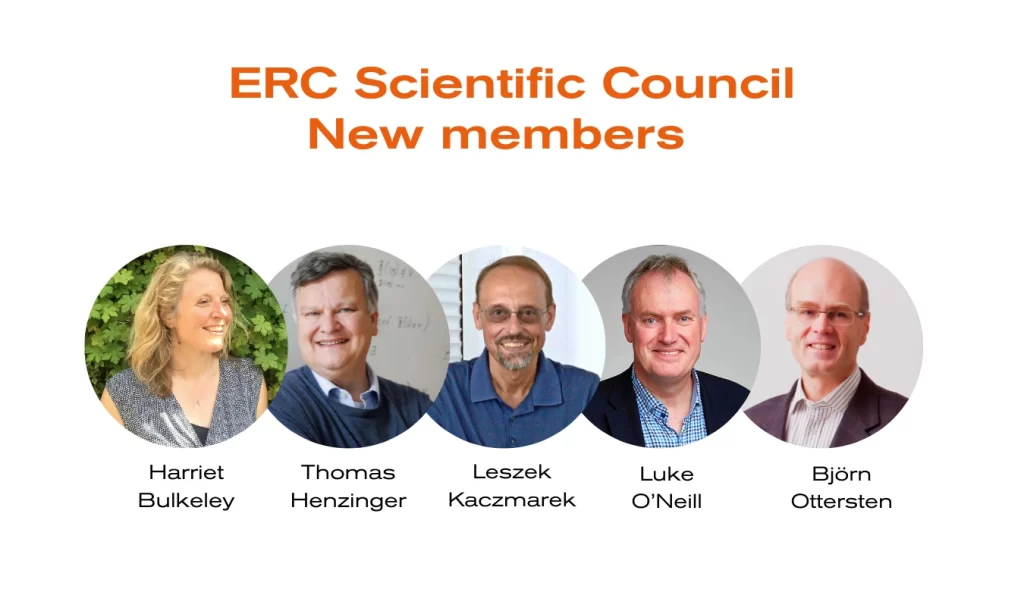
In a significant move to strengthen Europe’s research leadership, six distinguished scientists, including Nobel Prize-winning biochemist Emmanuelle Charpentier, have been appointed to the European Research Council’s (ERC) Scientific Council. The appointments, effective from January 1, 2026, aim to guide the ERC’s strategic direction and uphold its mission of funding groundbreaking research across Europe.
The European Research Council, renowned for supporting high-impact research in diverse scientific disciplines, periodically refreshes its governing body to ensure dynamic and innovative leadership. This year, six eminent researchers were selected for their exceptional contributions to science and their potential to shape Europe’s research landscape.
Among the appointees, Professor Emmanuelle Charpentier stands out for her pioneering work in gene editing, which earned her the 2020 Nobel Prize in Chemistry. Currently at the Max Planck Unit for the Science of Pathogens in Germany, Charpentier has been a transformative figure in molecular biology, particularly in developing CRISPR-Cas9 technology. Her appointment is expected to bring invaluable expertise to ERC’s research agenda.
The new members will succeed outgoing council members whose terms are concluding at the end of 2025. Collectively, the Scientific Council is responsible for setting the ERC’s overall strategy, evaluating grant proposals, and ensuring the highest standards of research excellence.
Key Highlights of the New ERC Scientific Council Members:
- Emmanuelle Charpentier (Germany): Nobel laureate, CRISPR pioneer, Max Planck Unit for the Science of Pathogens
- Five other distinguished scientists: Experts across various scientific fields (names to be officially released by ERC)
- Term Start: January 1, 2026
- Responsibilities: Strategic guidance, research evaluation, promoting excellence in European science
The ERC’s Scientific Council plays a pivotal role in shaping Europe’s scientific priorities. With the new appointments, the Council aims to enhance interdisciplinary collaboration, support innovative projects, and maintain Europe’s position as a global leader in cutting-edge research.