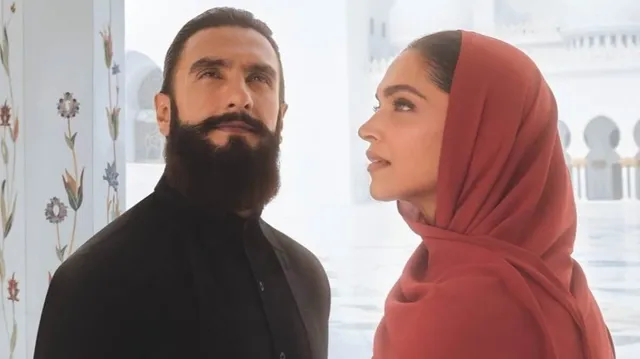
Bollywood superstar Deepika Padukone has once again found herself at the center of social media controversy after appearing in a recent Abu Dhabi Tourism campaign. The promotional video, which showcases the city’s luxury and cultural diversity, went viral after some netizens accused the actress of wearing a hijab. However, a closer look at the ad reveals a twist — Deepika is not wearing a hijab at all.
The Controversy: Misinterpretation Sparks Outrage
The ad, part of Abu Dhabi’s “Experience Abu Dhabi” campaign, features Deepika exploring iconic locations such as the Sheikh Zayed Grand Mosque, Qasr Al Watan, and the Louvre Abu Dhabi. In one particular shot, she appears in a headscarf-style outfit, which led some users on social media to believe she was wearing a hijab.
Critics quickly took to X (formerly Twitter) and Instagram, questioning her choice of attire and alleging that the actress was promoting “religious symbolism.” Some went as far as labeling it a “politically motivated gesture,” while others accused her of “cultural appropriation.”
However, fans and fashion observers were quick to clarify that Deepika was, in fact, wearing a designer headscarf as part of a modest fashion look, not a traditional hijab. The ensemble, styled by her long-time collaborator Shaleena Nathani, aligns with the cultural aesthetic expected in the UAE while remaining firmly within the realm of high fashion.
The Real Story: Cultural Sensitivity Meets Style
The Abu Dhabi Tourism campaign aims to highlight the Emirate’s blend of tradition and modernity. Deepika’s attire reflects respect for local customs — a common practice for international celebrities working on Middle Eastern collaborations.
Fashion critics have praised the look as a thoughtful example of cross-cultural respect, noting that her outfit adhered to the etiquette of visiting religious or heritage sites without making any religious or political statement.
Industry insiders also emphasized that modest fashion has become a global trend, with major brands like Gucci, Dolce & Gabbana, and Dior incorporating similar silhouettes. Deepika’s look, therefore, aligns more with a fashion-forward global narrative than with any religious connotation.
Social Media Divided
As with many celebrity controversies, the internet remains divided. While some users continue to criticize Deepika, others have called out the online trolling culture for jumping to conclusions without understanding the context. Hashtags such as #DeepikaPadukone, #AbuDhabiTourism, and #HijabRow have trended across social platforms since the ad’s release.
Several fans and public figures have defended the actress, urging audiences to focus on the message of inclusivity and cultural appreciation rather than misinterpreting artistic choices.
Conclusion
This incident underscores the fine line celebrities must walk when engaging with global audiences. Deepika Padukone’s Abu Dhabi campaign was intended to celebrate travel, culture, and connection, but it inadvertently ignited a debate about representation and perception.
As discussions continue online, one thing is clear — the controversy reflects more about the polarized nature of social media than about Deepika’s fashion choices. The actress, known for her grace under pressure, has yet to respond publicly, allowing her work — and her style — to speak for itself.