
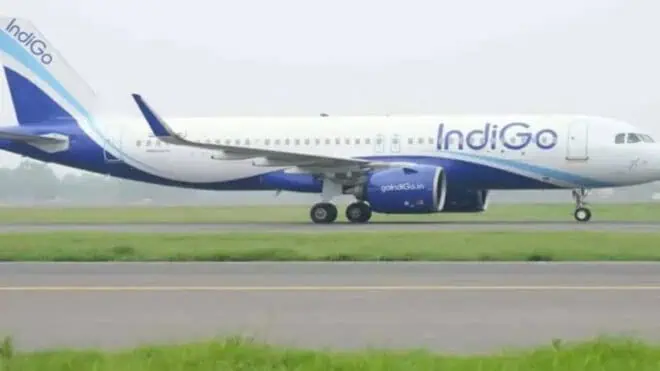
The Directorate General of Civil Aviation (DGCA) has imposed a fine of ₹20 lakh on IndiGo Airlines after discovering that the airline had been using unapproved flight simulators for pilot training. The regulatory body stated that the airline’s actions violated established aviation safety norms and could potentially compromise flight operations.
According to officials, the DGCA conducted a routine inspection of IndiGo’s pilot training programs earlier this year. During the audit, it was found that the airline had conducted training sessions on simulators that were not qualified or approved by the DGCA for specific aircraft types. This breach of compliance led to the imposition of the financial penalty and a directive to immediately suspend the use of such simulators.
Safety Oversight and Compliance Concerns
The DGCA emphasized that flight simulator training plays a crucial role in ensuring pilot competency and safety preparedness. Any deviation from approved procedures can pose serious risks to aviation safety. The use of unqualified simulators undermines the integrity of training programs and the reliability of pilot performance during real-world flight operations.
“Simulators must undergo a thorough qualification process and meet stringent technical standards before being used for pilot training. IndiGo’s use of non-qualified simulators represents a serious lapse in compliance,” a DGCA official said. The authority also warned other airlines to strictly adhere to simulator qualification norms, reinforcing that safety cannot be compromised under any circumstances.
IndiGo’s Response to DGCA’s Action
In response, IndiGo issued a statement acknowledging the regulator’s findings and confirming that corrective measures have been initiated. The airline said it has discontinued the use of the disputed simulators and assured that future training will strictly comply with DGCA and international standards.
“We take DGCA’s observations seriously and are committed to maintaining the highest standards of safety and training. All necessary steps are being taken to ensure full regulatory compliance,” the airline spokesperson stated.
IndiGo, India’s largest passenger airline by market share, operates a vast fleet of Airbus A320, A321neo, and ATR aircraft. Given the size of its operations, the quality of pilot training remains a vital component of the airline’s safety management system.
Industry Reactions and Broader Implications
Aviation experts have described the DGCA’s decision as a critical step in maintaining regulatory accountability within India’s rapidly growing aviation sector. With increasing competition and expansion, airlines face mounting pressure to train and deploy pilots efficiently. However, industry analysts warn that operational efficiency should never come at the cost of safety compliance.
The penalty against IndiGo also serves as a reminder to other carriers to ensure their training facilities, equipment, and instructors are aligned with DGCA standards and international best practices. Any lapse in simulator qualification can attract penalties and erode passenger trust.
Conclusion
The ₹20 lakh fine against IndiGo underscores the DGCA’s firm stance on enforcing aviation safety and regulatory standards. As India continues to witness rapid growth in domestic and international air travel, maintaining rigorous oversight of pilot training and aircraft operations remains essential. IndiGo’s swift corrective response indicates its intent to restore full compliance and uphold its safety reputation.

