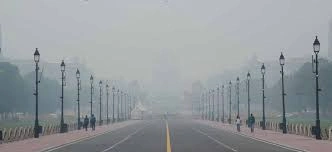
The national capital continues to grapple with a severe air quality crisis as toxic smog and dense fog blanket the city, prompting authorities to issue a red alert and triggering widespread disruption to daily life. With visibility dropping sharply and pollution levels remaining critically high, Delhi’s prolonged environmental emergency has once again brought public health and urban resilience into sharp focus.
A City Engulfed in Smog and Fog
Over the past several days, Delhi has witnessed a dangerous convergence of hazardous air pollution and persistent fog, resulting in near-zero visibility during early morning hours. The situation has significantly affected road, rail, and air traffic, while residents report increased respiratory discomfort, eye irritation, and fatigue.
The Air Quality Index (AQI) has consistently remained in the “severe” category, indicating conditions that pose serious health risks even to healthy individuals. Vulnerable groups, including children, the elderly, and those with pre-existing respiratory or cardiac conditions, face heightened danger amid the prolonged exposure.
Major Disruptions Across the Capital
The combined impact of severe pollution and dense fog has disrupted multiple sectors:
- Aviation: Flight delays and diversions due to poor visibility
- Railways: Trains running late, particularly long-distance services
- Road Transport: Increased accidents and traffic congestion
- Education: Schools advising reduced outdoor activities
- Healthcare: Rise in pollution-related hospital visits
Key Factors Driving the Crisis
| Contributing Factor | Impact |
|---|---|
| Vehicular emissions | Sustained rise in PM2.5 levels |
| Industrial pollution | Continuous release of pollutants |
| Weather conditions | Low wind speed trapping pollutants |
| Seasonal stubble burning | Worsening regional air quality |
Emergency Measures and Public Advisory
Authorities have reinforced emergency pollution-control measures under existing frameworks, urging residents to limit outdoor exposure and adopt protective practices. Masks, air purifiers, and reduced physical exertion are being widely recommended. Traffic restrictions and enhanced monitoring of polluting activities are also in force to prevent further deterioration.
Public health experts warn that prolonged exposure to severe air pollution can lead to long-term health consequences, including reduced lung function and increased cardiovascular risk. The current red alert for dense fog further compounds the challenge, making commuting hazardous and emergency response more complex.
A Recurring Environmental Challenge
Delhi’s winter pollution crisis has become an annual phenomenon, underscoring the urgent need for long-term air quality management, cleaner transport systems, and coordinated regional action. Environmental analysts emphasize that while emergency responses provide temporary relief, sustainable solutions are essential to prevent repeated crises.
Outlook and Way Forward
As weather conditions are expected to remain unfavorable in the coming days, authorities are closely monitoring pollution trends. Citizens are advised to stay informed, follow official advisories, and minimize exposure wherever possible.
The ongoing crisis serves as a stark reminder that urban air pollution, climate conditions, and public health are deeply interconnected. Without decisive and sustained intervention, Delhi’s struggle with severe air quality is likely to remain a pressing challenge well into the future.