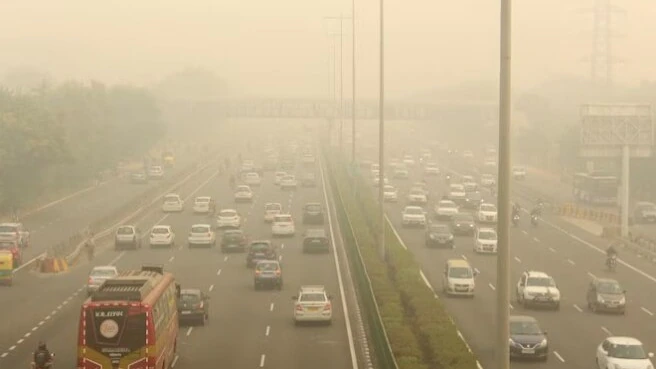
August 2025: A recent report by the Energy Policy Institute at the University of Chicago (EPIC) has raised serious concerns about the impact of air pollution on residents of Delhi. According to the study, based on 2023 pollution data, exposure to the city’s extreme air pollution could reduce life expectancy by an alarming 8.2 years, the highest reduction reported for any city globally.
The report highlights that Delhi’s air quality is among the most hazardous worldwide, driven primarily by fine particulate matter (PM2.5). These pollutants penetrate deep into the lungs and bloodstream, increasing the risk of respiratory and cardiovascular diseases. Chronic exposure to such pollution contributes to higher mortality rates and overall health deterioration.
Delhi’s pollution crisis has intensified over the past decades, with PM2.5 levels consistently exceeding World Health Organization (WHO) safety guidelines. The northern plains of India, home to over 500 million people, are particularly affected, with residents experiencing significant reductions in life expectancy if pollution trends continue.
In response, the Indian government has implemented measures such as fines for polluting vehicles and construction sites. However, experts warn that these steps are insufficient to address the long-term public health risks. Comprehensive strategies, including stricter enforcement of environmental regulations, cleaner energy adoption, and enhanced public transport, are urgently needed.
Environmentalists emphasize that tackling Delhi’s air pollution requires collective action from both authorities and citizens. Long-term policy interventions, public awareness campaigns, and sustainable urban planning are critical to improving air quality and safeguarding public health.
The EPIC report underscores the severity of Delhi’s pollution problem, serving as a stark warning of the health consequences if immediate and sustained efforts are not undertaken.