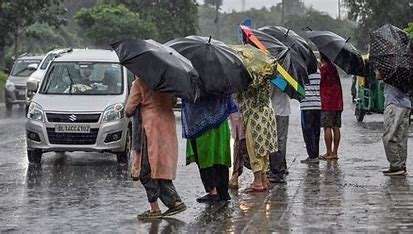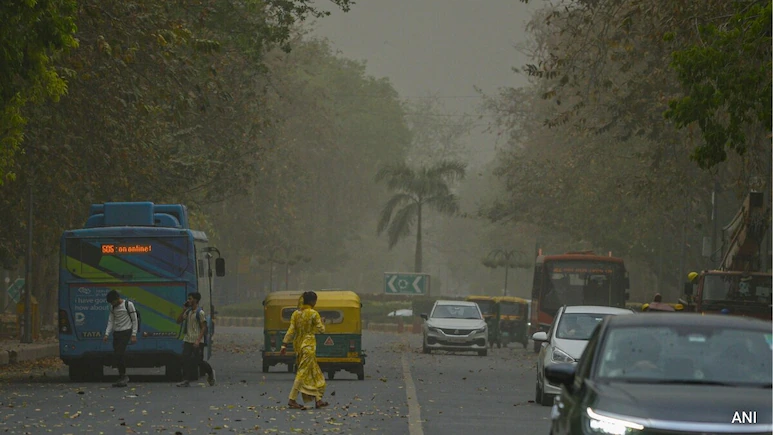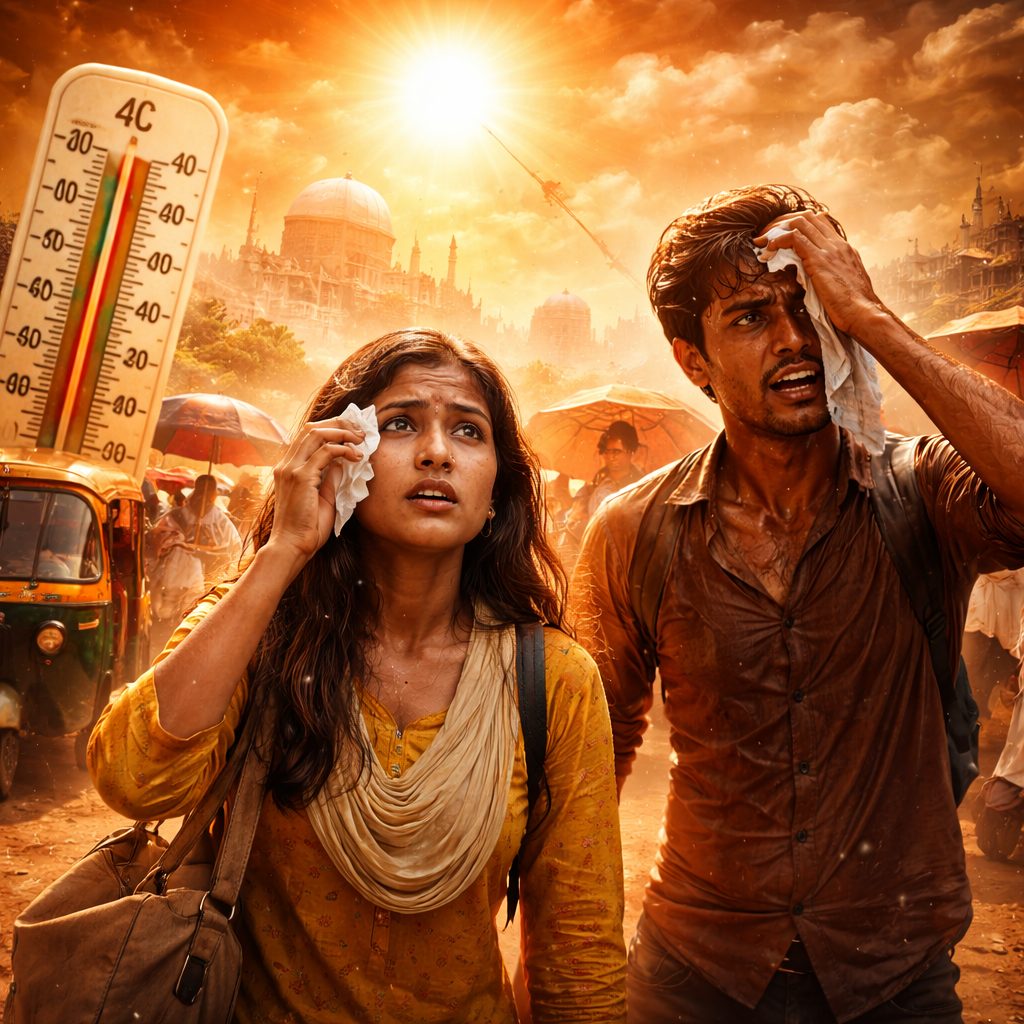
As the year unfolds, India finds itself grappling once more with the harsh impacts of extreme weather, encompassing heatwaves, erratic rainfall, and escalating concerns about flooding. Weather patterns are increasingly erratic, directly impacting millions, from the northern plains to the coastal regions. The rising number of online searches for terms like “Heatwave alert in India 2026” and “weather forecast updates” underscores the impact of these shifts on daily experiences.
A Summer Without End: Intensifying Heatwaves
The summer of 2026 has arrived, and it’s already asserting itself, with a ferocity and rapidity that surprised a lot of people.
Rajasthan, Delhi, Maharashtra, and Telangana are already experiencing scorching heat, with temperatures exceeding 45°C.
The Indian Meteorological Department (IMD) has issued numerous heatwave warnings, advising the public to take precautions.
It’s not just the heat this year that worries me; it’s also how long these heat waves last. Cities are now experiencing extended heatwaves, lasting over a week, rather than the brief spikes of the past. Concrete structures, the absence of greenery, and escalating pollution are transforming urban areas, especially, into veritable heat islands.
This situation is particularly dire for daily wage earners, farmers, and those without air conditioning. Hospitals are reporting an increase in cases of heatstroke, dehydration, and general fatigue. To shield kids from the oppressive heat, certain states have tweaked school timetables or even shut down schools for a bit.
Why India’s heatwaves are getting worse
India’s heatwaves are, without a doubt, a consequence of climate change. The rising global temperatures, coupled with deforestation and the swift pace of urbanization, are all playing a part. Specialists are sounding alarms: if things continue as they are, these intense heat events might soon be commonplace, rather than the exception.
The weakening of natural weather cycles is another important factor. In the past, pre-monsoon showers helped cool things down, but lately these patterns have been all over the place. Because of this, the heat stays longer, making it worse.
Floods and sudden changes in the weather
One part of the country is dealing with heavy rain and floods, while another is dealing with extreme heat. States like Assam, Bihar, and parts of Kerala are already seeing water levels rise because of early monsoon rains and storms that weren’t expected.
These floods don’t happen at the same time every year anymore. Sudden deluges and fierce rainstorms are now a common occurrence, often leaving both officials and citizens scrambling. Cities are routinely swamped in just a few hours, a direct result of poor drainage systems and careless urban planning.
The weather’s a real mixed bag these days. While central and western India are sweltering, dealing with heat waves, the northeast and south are bracing for floods, with warnings issued across the board.
This difference highlights the growing unpredictability of India’s climate.
Real-time weather updates are essential.
Given the rapidly changing climate, staying informed with timely weather forecasts is more important than ever.
Increasingly, individuals turn to mobile applications, government notifications, and news portals for their daily weather updates.
This information allows farmers to schedule irrigation, travelers to adjust their itineraries, and everyone to prepare for adverse conditions when they know what’s coming.
The IMD and private weather services have gotten a lot better at sending out real-time alerts, like warnings about heat waves, predictions about rain, and tracking cyclones.
But there are still problems to solve. Forecasting in rural and remote areas is still developing, and understanding these warnings is equally important.
Impact on Agriculture and the Economy
India’s agricultural sector is deeply affected by the unpredictability of weather patterns, which exposes it to the risk of extreme events. Take heat waves, for example; they can devastate wheat harvests, leading to diminished production and pressure on food availability. On the flip side, heavy rainfall and flooding can wipe out existing crops, causing considerable financial hardship for those who cultivate them.
As a result, this situation directly affects inflation and the price of food.
Analysts are already raising concerns about possible swings in the costs of vegetables and grains, a likely outcome of the unpredictable weather patterns expected in 2026.
The consequences will be felt across the economic landscape, touching everything from agricultural employment to the vibrant city markets.
Health Risks and Public Safety Concerns
The combination of heatwaves and flooding poses significant health risks. Extreme heat can lead to dehydration, heat exhaustion, and even heatstroke.
Elderly people, children, and those with existing health problems are particularly vulnerable.
Flooding, conversely, acts as a vector for waterborne diseases such as cholera, dengue, and malaria. Following that, things took a turn for the worse. Contaminated water and inadequate sanitation facilities compounded the problem.
Authorities are advising the public to stay hydrated, avoid direct sunlight during the hottest parts of the day, and adhere to safety protocols during periods of intense rainfall.
Emergency services are also on high alert in places that are likely to flood.
What Can Be Done?
Climate change, a global issue, is significantly influenced by localized factors. Key mitigation strategies include expanding urban green spaces, improving water management systems, and investing in infrastructure that can withstand challenges.
People can help by staying informed about weather forecasts, using water and energy wisely, and continuing their education.
Planting trees, using public transportation, and reducing waste are all actions that can collectively benefit the environment.
Looking Ahead
India’s 2026 weather predictions paint a stark picture: climate change is no longer a distant worry; it’s a present reality. The rise in heatwave and flood warnings across the country underscores the seriousness of the matter.
In light of these challenges, awareness, preparation, and collaboration will be crucial.
Every effort to prepare for adverse weather contributes to greater resilience. This means staying informed about the daily forecast and adopting environmentally friendly practices.
The monsoon season is about to take center stage.
Will it help with the heat or cause more flooding? One thing is for sure: India’s climate is changing, and the first step to staying safe is to stay informed.