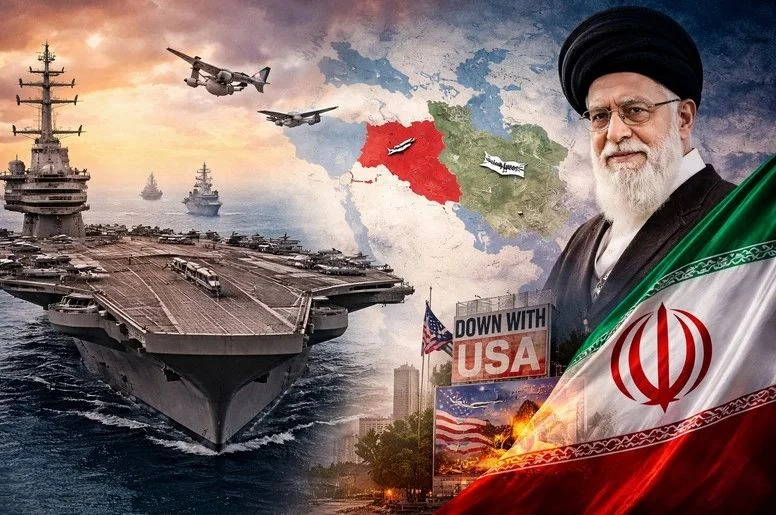
Oil prices have just broken the $100 per barrel threshold, which has shocked markets all across the world. It’s the most it’s been in years because people are worried about a weak US-Iran ceasefire that looks more like a temporary fix than a real one. Drivers, businesses, and governments are getting ready for what’s next as supply threats grow from the Middle East to refineries that have been devastated by storms. This spike isn’t just numbers on a screen; it’s affecting people’s wallets all over the world, from gas stations in Mumbai to commuters in New York.
The Fire That Started the Surge
Brent crude futures jumped to $102.45 a barrel yesterday, and West Texas Intermediate (WTI) rose to $101.20, a 7% rise in only one week. Traders are blaming the US-Iran ceasefire, which was agreed last month after months of rising tensions. Do you remember when drones hit Iranian oil facilities? They stopped production, and now rumors of violations are spreading. Iran says there was no violation, but satellite photographs reveal strange tanker movements near the Strait of Hormuz, which is a key location for 20% of the world’s oil supply.
This isn’t the first time. In 2019, prices went jump 15% overnight because of similar flare-ups. But today’s catastrophe feels different since it has bigger supply problems on top of it. OPEC+ countries, like Saudi Arabia and Russia, kept to their mandates, but voluntary cuts aren’t working anymore. Russia’s conflict in Ukraine keeps changing the flow of things, which makes Europe have to look for other options. And just when things couldn’t get worse, storms hit refineries on the US Gulf Coast, shutting down 1.5 million barrels per day of processing capacity.
This is very personal for people in India. The country gets more than 85% of its crude oil from other countries, and because the currency is unstable, pump prices could go up by another 10 to 15 rupees per liter soon. Imagine that your regular commute in Pune or Delhi suddenly costs 20% more. How long can families deal with this before it leads to major trouble?
The US-Iran Standoff: What It’s All About
Let’s talk about the ceasefire drama. It started when the US bombed Iranian proxies in Syria in response to attacks on US sites. Iran hit back with missile barrages, but we assumed that cooler heads would win out. The pact, which was made privately in Oman, provided for a 90-day break in fighting and made it easier for some Iranian shipments to get through. But compliance is not certain. Last week, US officials said that Iran sent 500,000 barrels more than it was allowed to. Tehran, on the other hand, says that Washington is giving weapons to Israel so that it can attack Iran’s nuclear sites.
People who track the oil market are paying close attention to every tweet from the White House and every state TV clip from Tehran. The Strait of Hormuz is still a huge concern. Iran took two tankers there last year, which made insurance rates go up by 30%. Experts say that if things go wrong, the supply might decline by 5 to 10 million barrels per day, which would be enough to raise prices to $120 or more.
India is also in the middle of the fight. New Delhi has traditionally kept good relations with both countries, buying cheap Russian oil while talking to Iran about access to the Chabahar port. If a full-blown crisis happens, that may change, and we’d have to rely on more expensive Saudi or Iraqi crude. In her recent budget statement, Finance Minister Nirmala Sitharaman hinted at changes to subsidies, but politicians are being careful because elections are coming up.
Important flashpoints: problems in the Strait of Hormuz (20% chance of global supply risk)
According to EIA data, Iran’s output has dropped 10% since the strikes.
US strategic reserve: This year, they released 50 million barrels, although their inventories are at their lowest level in 40 years.
Risks to the supply are coming from all sides.
It’s not just politics. Mother Nature is tossing curveballs. Hurricane season in the Atlantic destroyed refineries in Texas and Louisiana, stopping units that process a quarter of the US’s crude oil. Phillips 66 and ExxonMobil said their operations will be shut down for weeks, which cut gasoline stockpiles by 8%. Venezuela’s production is slow because of sanctions, while Libya’s civil war keeps fields offline.
Demand isn’t going down either. China’s economy is growing again after the pandemic, and it uses 14 million barrels of oil every day, which is 5% more than last year. Electric cars assist, but not quickly enough. The demand for aviation fuel alone rose 12% as travel picked up. Refiners like Reliance and Indian Oil contributed to the burden by stockpiling during the holiday season. In September, imports reached a record 5.5 million barrels per day.
It’s not hype that global oil prices are going up beyond $100; it’s math. The International Energy Agency’s inventory data shows that there are 100 million barrels less in stock than there were last year. OPEC says that demand will rise by 2.2 million barrels per day in 2026, which is 500,000 barrels more than supply. Russia’s shift to Asia is blocking pipelines, and fresh EU sanctions make things worse.
Inflation, economies, and everyday life have ripple effects.
Everything else goes up as oil costs go up. Inflation will go up as transportation costs go up. Food and other items will cost 5 to 7 percent higher.
The US Federal Reserve stopped cutting rates for a while because energy was a wild card. Germany’s industries in Europe are working more slowly because energy costs have doubled.
India is feeling the pain very much. The CPI inflation rate is already at 5.5%, and oil prices are only making things worse. Middle-class expenditures are already tight after COVID, and petrol prices in Mumbai are around ₹105. IndiGo and other airlines are warning that fares will go up. A ticket from Delhi to Bengaluru could go up by ₹1,000 soon. Exports are being hurt; textiles and gems, two key industries in Pune, are losing money because of high shipping costs.
Emerging markets are on the edge of failure around the world. Currencies in Nigeria and Angola, which depend on oil, drop 15%. The stock market fell 2% yesterday. Energy companies like Reliance Industries rose 4%, but banks fell because people were worried about loan defaults. What does this mean for your retirement savings? Energy equities do well in the short run, but if prices stay high, a recession could happen.
Companies change in many ways. Tesla is pushing electric vehicles harder, and Tata Motors is making more of them in India. But old players are scrambling—BP and Shell say refining margins cost them $2 billion a quarter.
Voices from the Ground: Traders, Experts, and Leaders
If you talk to oil merchants in Singapore or Mumbai, they’ll all say the same thing: “It’s fear trading.” One experienced analyst joked, “Ceasefire? More like a cease-fire for now. Goldman Sachs raised its prediction for 2026 to $105, saying there was a 60% chance of things getting worse. JPMorgan, on the other hand, thinks the price will drop to $90 if talks continue.
Hardeep Puri, the Petroleum Minister of India, told people in Delhi to stay calm and said that if necessary, India’s 5.3 million tons of strategic reserves will be released. But rumors in the halls are that subsidy expenses could rise to ₹30,000 crore this year.
Environmentalists see a silver lining. The green shift might happen faster if prices go up. India’s goal of 500 GW of renewable energy by 2030 seems reasonable, especially since solar costs have dropped by 80% in the last ten years. But coal still makes about 70% of electricity; oil shocks are slowing down that change.
India’s Balancing Act in a World That Changes Quickly
Oil is like air for a country like India. 5.5% of GDP goes to imports, thus volatility hurts. The government got oil from several places; currently Russia sends 40% of it, up from 1% before the war. But refineries are having problems with quality. Iran’s cheap oil is tempting, but US sanctions could make things worse.
The auto business in Pune is a great example. Bajaj and Mahindra are counting on hybrid technology to avoid rising gasoline costs. Even vacation plans are getting more expensive. The cost of that weekend excursion to the hills has gone up because the price of aviation fuel has gone up by 20%.
ICRIER economists say that every $10 spike in the price of oil will slow down the economy by 0.5%.
Prices of Oil Around the World US-Iran Ceasefire on the Brink of Collapse as Prices Skyrocket Past $100