
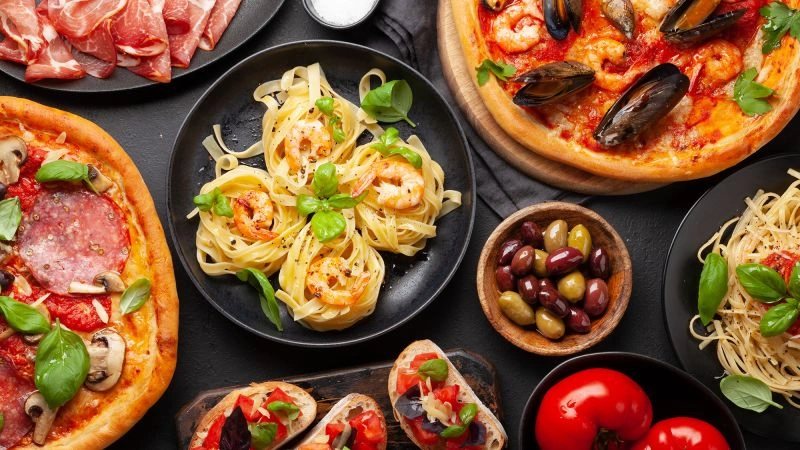
In a historic first, UNESCO has officially added Italian cuisine to its List of Intangible Cultural Heritage of Humanity, marking the first time a national cuisine in its entirety has received this recognition. The decision was announced during the 20th session of the UNESCO Intergovernmental Committee, held in New Delhi, India.
Italian cuisine’s inscription celebrates not just iconic dishes like pizza, pasta, and tiramisu, but also the full spectrum of regional cooking traditions, family rituals, communal meals, and intergenerational knowledge passed down through generations. UNESCO described the cuisine as “a cultural and social blend of culinary traditions” that embodies community, identity, and shared values.
Why This Recognition Matters
Italian cuisine represents more than just food; it is a living cultural heritage. The UNESCO listing highlights several key dimensions:
- Regional diversity & cultural richness — From Lombardy’s ossobuco to Puglia’s orecchiette with turnip greens, Italian cuisine reflects the country’s rich regional heritage and biodiversity.
- Communal and intergenerational practice — Meals shared among families, local festivals, and formal culinary education transmit skills and social values across generations.
- Sustainability and respect for ingredients — The nomination emphasizes principles of minimal food waste, respect for local produce, and balanced, varied diets, aligning with global sustainable-food values.
Experts predict that the UNESCO designation could lead to a notable boost in tourism, with estimates suggesting an increase in visitors and economic benefits for local communities and Italy’s food sector.
Response from Italy & the Food Industry
The decision has been met with widespread acclaim in Italy. Prime Minister Giorgia Meloni described Italian cuisine as “our most formidable ambassador,” emphasizing its role in promoting cultural identity, culinary excellence, and Italy’s global presence.
The industry group Filiera Italia, representing the country’s food and wine sector, hailed the recognition as a triumph for the “Made in Italy” brand. The designation is expected to elevate Italian food globally, support sustainable production, and preserve traditional craftsmanship and regional specialties.
Broader Significance
This landmark UNESCO move could inspire other nations to propose their culinary landscapes as living heritage. For Italy, the recognition strengthens cultural diplomacy, boosts gastronomic tourism, and helps protect traditional recipes from dilution under globalization. At the same time, it places responsibility on communities, chefs, and producers to maintain authenticity, promote sustainability, and preserve food as cultural heritage rather than mere commodity.

