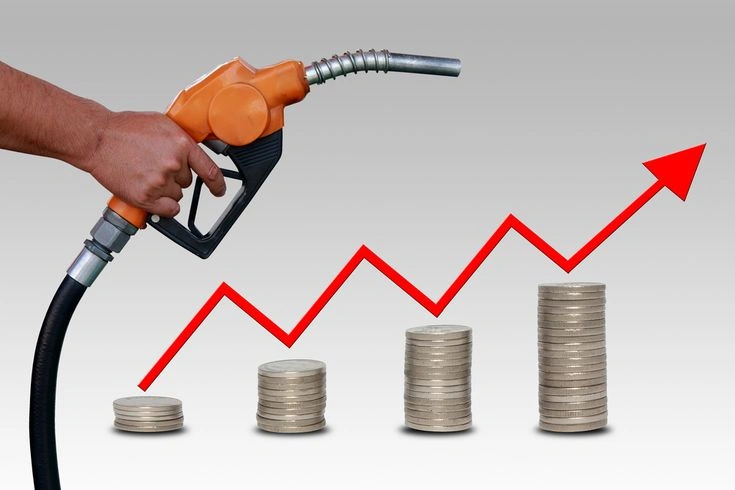
India’s top oil marketing companies raised petrol and diesel prices by ₹3 per litre early today, hurting customers at a time when household budgets are already stretched. The action, effective immediately, follows a steady rise in international crude oil benchmarks as rising tensions in West Asia disturbed expectations of supply. For the average driver and businesses that depend on road transport, the increase will soon be passed on in greater commuting costs, transport charges and the cost of goods.
Why this is important now
Fuel is at the heart of inflation and growth. In India, where road transport fuels are taxed highly by the centre and the states, even small increases in the base prices of petrol and diesel can result in large increases in retail prices for households and enterprises. A raise of ₹3 per litre may appear minor on paper but when applied to millions of vehicles and tens of thousands of tonnes of freight being handled every day, the cumulative impact on logistics costs and retail prices, is huge.
The hike comes on the heels of already high global crude prices. Markets were spooked by flare-ups across key shipping routes and the supply risk premium creeping into oil futures. Traders have factored in the potential disruption to flows from the region and the watchful stance of top producers as they consider output measures. All this feeds into benchmark prices like as Brent crude, which have been climbing for several sessions.
Why the hike: supply, emotion and taxation
Three forces are tied together to explain the rise in fuel prices today.
International crude benchmarks climbed after renewed violence in parts of West Asia raised concerns of supply disruptions. When markets see even a hint of risk to production or shipment, oil futures tend to rise as traders buy insurance against scarcity.
Refining and distribution lag: India imports a major share of its crude requirements. Crude costs are higher, so refiners have a higher input bill. They can tolerate some of it for a while, but if it keeps going up, eventually they have to change retail prices.
The tax structure and local pricing mechanicsRetail pump prices in India are a mixture of international parity, refining profits, dealer commission and high central and state taxes (excise duty and VAT). When base prices rise, the tax component adds to the final increase customers observe.
How much will consumers experience that?”
And the pain will be felt most immediately by motorists. Take a regular monthly fuel bill. A commuter who fills 30 gallons a month will spend an extra Rs 90. Small but recurrent. Smaller commercial operators such as delivery vans and taxis will see their operating costs increase, which are usually passed on to clients in the form of ticket increases or higher delivery charges. Over time inflationary pressure could feed through to food and consumer items, especially when transit is a substantial component of costs.
To give you an idea of the shift, here are some numbers:
₹3 extra per litre X 30 liters per month equals ₹90 extra cost per vehicle each month.
For long-haul transport fleets that consume thousands of gallons per week, the added fuel expense can be significantly higher month on month and can erode the thin profit margins of freight and logistics.
The basic math explains why economists watch fuel price fluctuations so closely: they are a speedy route from global events to domestic inflation.
Regional and state-level variations
India’s petroleum market has an oddity of broad regional variations due to varying VAT rates. State taxes mean that the same litre of gas could cost two cities very different amounts. This means the real effect of the base rise of ₹3 will vary from state to state. Some state governments might help ease the pain by temporarily lowering VAT or dealer commission but the history indicates that such initiatives are few and far between and fiscally costly.
Implications for inflation and the monetary policy
The Reserve Bank of India examines oil and fuel attentively, as these have a big impact on headline inflation. A further increase in fuel prices could filter into the consumer price index through transport costs and higher priced products and services. If fuel-driven inflation accelerates, the central bank is faced with a policy dilemma: high interest rates to fight inflation may hinder development, but doing nothing may allow inflation expectations to drift higher.
A one-day ₹3 hike is unlikely to prompt a quick policy shift, for now. But higher oil costs and dogged retail pricing increases would need authorities to re-assess inflation forecasts for the next few quarters.
Impact on business and industry
Transport and logistics: Operators are expected to pass on higher gasoline costs as fuel surcharges or amended pricing. E-commerce and distribution of fast-moving consumer products, where margins are tightly adjusted, will suffer the most.
Agriculture Diesel fuels irrigation pumps, harvesters and rural transport. A hike in diesel costs often squeezes the margins of farmers, especially for smallholders who do not have direct access to cash or hedging tools.
Aviation and shipping: Jet and bunker fuels are priced off distinct indices, but an upward trend in crude means higher prices for both. Those airlines already hedging their fuel risk may be better placed to ride out short-term surges.
Political and social sensitivities
Fuel prices are a politically contentious issue in India. Rapid increases have historically caused public unrest and government and opposition parties monitor these movements closely. The state-level differences mean that political message and pressure might vary from one location to another. State governments tinker with VAT from time to time to protect consumers or score political points but such moves cost income, and may be hard to justify if global oil prices are the main cause.
How long can prices stay high?
Predicting oil prices is notoriously difficult. Whether the latest bounce is a flash in the pan or a longer-term trend will depend on a few variables:
West Asia: how long and how far the tensions? A swift de-escalation would remove the risk premium.
Production policy of OPEC+. Market tightness could lessen if big producers decide to pump more oil.
Outlook for major economies. Prices underpinned by resilient demand from China and the US.
Dollar strength + Flow. The currency can often be a headwind for dollar-priced commodities but global risk-on mood can lift oil.
That might relieve the upward pressure if the conflict stays localized and key producers hint greater supply. Even a transient surge might send ripples through domestic prices and inflation expectations.
What can consumers and corporations do?
Consumers: Reduce discretionary trips, carpool and think about fuel-efficient driving techniques. For heavy mileage consumers, electric two- or four-wheeler choices make more sense in the medium term.
Small businesses: Re-route logistics for increased efficiency, consolidate shipments, and negotiate gasoline fee with customers equivalent to actual cost movement.
Market response and investor perception
Shares of Indian refining and oil marketing firms generally react unevenly to retail price hikes. Higher retail prices can safeguard margins if companies have unpriced goods bought at lower costs, but margin compression could happen if global prices keep growing faster than retailers can respond. Investors look to inventory positions, hedging levels and downstream-tax policy for signs of future profitability.
Government decisions and trade-offs
Authorities don’t have many short-term levers. Reducing excise duties or targeted subsidies could soften the blow but would impact government revenues. Governments could also alter VAT rates at the state level or permit temporary reductions but these are politically tough and administratively complex.
To provide a durable shield, policy makers need to balance rapid energy transition, strategic petroleum reserves and targeted social transfers for vulnerable households. Both carry fiscal and political implications.
A simple practical summary
What happened: Petrol and diesel was increased by ₹3 per litre across the country today.
Why it happened: Higher global crude prices, fresh West Asia conflict fanning fears of tightness and the pass-through of higher input costs to retail fuel.
Immediate impact: Higher commute expenses, pressure on freight and logistics, possible upward pressure on inflation.
Medium term drivers: Duration of geo-political tension, OPEC+ choices, demand growth in key economies.
What to do: Consumers should cut down on non-essential driving and drive efficiently. Businesses could streamline logistics and explore hedging.
to use public transport and electric vehicles or will it just make everything we buy more expensive? The solution will depend on governmental choices, the speed of investment and how households respond to tighter pockets. For the moment, drivers are watching the pump, economists are watching inflation and policy leaders are weighing income needs against public relief.
Fuel price shock: Petrol, diesel up Rs 3/litre; West Asia conflict pushes global oil prices