A significant political storm has erupted around the 2024 Haryana Legislative Assembly elections after Rahul Gandhi, leader of the opposition in the Lok Sabha, publicly alleged that roughly 25 lakh fake voter entries were used in the polls. The claims, which include the striking assertion that a photograph of Brazilian model Larissa Rocha Silva appeared multiple times on Indian electoral rolls, have provoked responses from the Election Commission of India (ECI) and the ruling Bharatiya Janata Party (BJP) alike, raising fresh questions about electoral integrity in India.
Rahul Gandhi’s charge centres on what he calls “vote chori” (vote theft) in Haryana. He stated that out of an electorate of around 2 crore, approximately 25 lakh entries were fraudulent—equivalent to about 12.5 per cent. Among the evidence presented were claims of duplicate voters, bulk entries under single addresses, and even multiple appearances of the same photograph in the rolls. One photo, purportedly of a Brazilian model, was cited as allegedly appearing 22 times.
The photograph allegedly appeared under different names in voter lists, prompting questions about the authenticity of the rolls. However, Larissa Rocha Silva – the woman whose picture was cited – responded with surprise, saying she has no connection with Indian politics and had never been to India. The episode has drawn attention to the use of stock photos, possible errors in voter ID printing or deliberate manipulation, and the broader vulnerability of electoral databases.
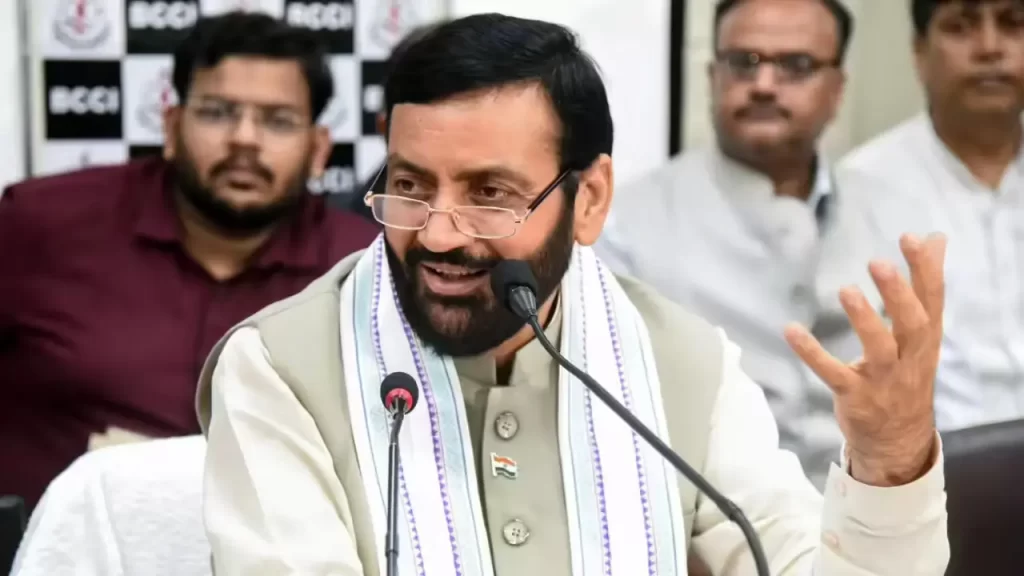
In response, the Election Commission asserted that the Congress did not file any formal objections or appeals during the roll revision process in Haryana, thereby challenging the veracity of the allegations. Meanwhile, Haryana’s Chief Minister Nayab Singh Saini called Gandhi’s claims “misleading” and accused Congress of lacking a substantive political agenda. The BJP, through Union Minister Kiren Rijiju, labelled the allegations as diversionary, aimed at masking Congress’s electoral weaknesses.
The controversy carries weight beyond Haryana. The timing—on the eve of pivotal state elections—has further politicised the matter. Should the allegations be substantiated, they may undermine public confidence in electoral processes and the ECI’s credibility. If proven unfounded, they risk being seen as a tactical gambit by the opposition. Analysts say the storm underscores the evolving dynamics of electoral oversight, digital roll verification, and the potential for abuse in mass voter listing exercises.
The Haryana vote fraud allegation by Rahul Gandhi marks a pivotal moment in India’s electoral discourse—raising urgent questions about roll integrity, institutional trust and political accountability. While the ECI and ruling party have pushed back, the opposition’s claims continue to reverberate through media and street protests alike. The coming days—when evidence is demanded and counter claims mount—will be decisive in determining whether this becomes a genuine reform trigger for electoral systems, or a high-stakes political contest in disguise.