Introduction
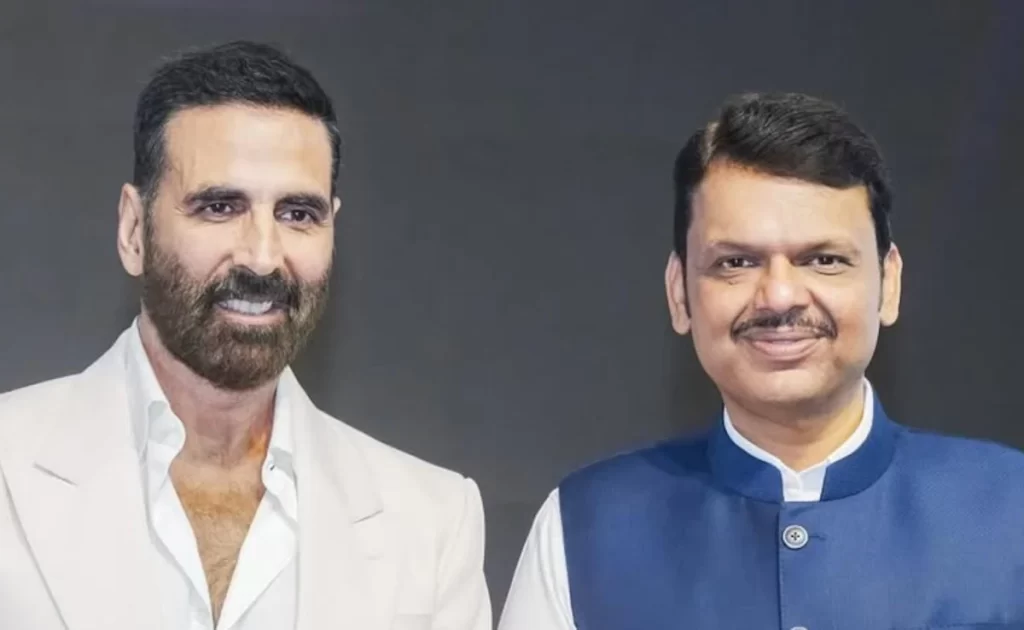
In a striking blend of cultural ambition and lighthearted banter, Maharashtra Chief Minister Devendra Fadnavis, along with Bollywood star Akshay Kumar, announced plans to give Mumbai’s Film City a complete overhaul, positioning it as a global-level film hub. Amid the policy talk, the duo also touched upon a lighter subject — the simple but surprisingly engaging “How to eat a santra” — as part of a public engagement moment. The conversation, held during the FICCI Frames 2025 event, has sparked debates on infrastructure, film policy, and the everyday charm of Indian fruit culture.
Revamping Mumbai Film City: Strategic Vision and Challenges
Fadnavis pledged to breathe new life into Goregaon’s Film City (Dadasaheb Phalke Chitranagari), targeting world-class studios, enhanced infrastructure, and upgraded facilities. He observed that prior plans lacked effective execution and declared that the current government will commence the transformation within the next year, seeking to conclude it in four years.
The proposed revamp aims to retain Mumbai’s cinematic primacy against emerging rivals like Hyderabad and Noida. Fadnavis also pressed for enhanced output on themes like cybercrime, digital fraud, and deep fakes, and called for film content that contributes to societal awareness. According to him, the film industry must portray contemporary crimes and not just fictional narratives.
Akshay Kumar backed the revamp proposal, urging the CM to expedite modernization of Film City and help India’s film infrastructure match global standards. Their joint conversation also highlighted a merger of creative and administrative resolve to reposition Mumbai as a top-tier filming destination.
How to Eat a Santra: From Fruit to Metaphor
In a lighter but cleverly symbolic moment, Kumar and Fadnavis veered into biology and tradition by referencing “how to eat a santra” — “santra” being the Hindi/Marathi term for orange or tangerine. Though the segment was playful, it subtly underscored themes of patience, method, and attention to detail — values also relevant in executing large-scale infrastructure projects.
For readers curious about eating a santra, a typical method involves peeling the rind carefully while preserving the segments, then separating and enjoying each juicy wedge. The analogy fits well with structural projects: layer by layer, peel back complexity, and deliver the core result patiently.
Analysis: Opportunity and Risk
The promise to convert Mumbai Film City into a world-class film hub carries significant potential. It could strengthen Maharashtra’s media ecosystem, attract global productions, and provide employment in AVGC (Animation, Visual Effects, Gaming, Comics) sectors. Indeed, the state has already approved a major AVGC-XR policy to develop such hubs.
However, risks persist: timely land acquisition, bureaucratic delays, funding bottlenecks, and ensuring consistent film fraternity buy‑in are real hurdles. Past plans have faltered, as Fadnavis himself acknowledged. The success of the plan will depend heavily on governance, institutional support, and creative partnerships.
Conclusion
The joint announcement by Devendra Fadnavis and Akshay Kumar marks a renewed commitment to reimagine Mumbai Film City as an international-standard film hub. With ambitious timelines and a vision for cinematic modernity, the project aims to re‑assert Mumbai’s place in global entertainment circuits. Alongside, the amusing digression into “how to eat a santra” provided a human touch and metaphorical resonance about care, precision, and gradual progress. If the administration manages to match words with action, Maharashtra may soon lead India’s film infrastructure renaissance — one peeled santra segment at a time.