
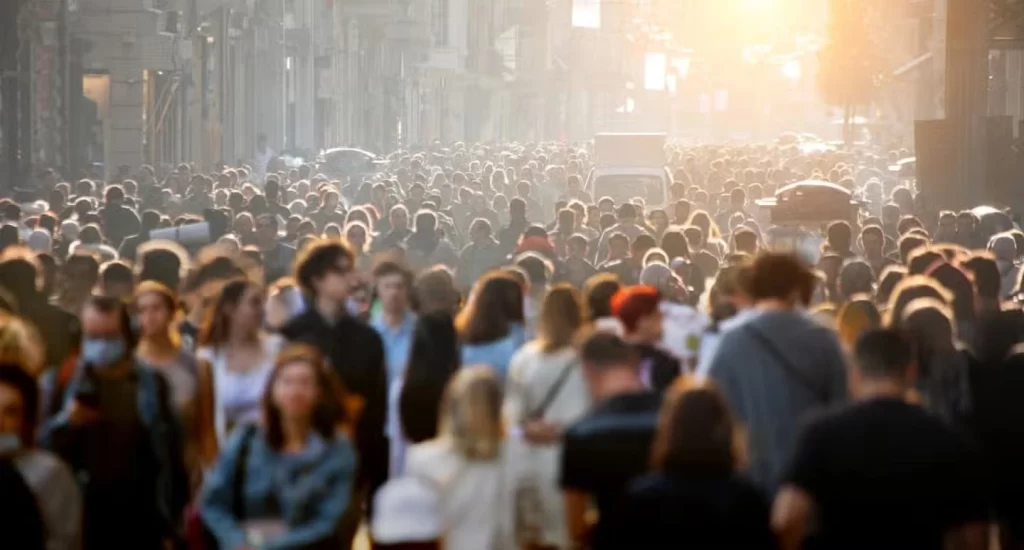
Life is continually getting faster, and this has a big effect on how people talk to each other, connect, and keep important relationships. This has a big effect on mental health, social ties, and the basic way people connect.
People’s relationships are encountering problems that have never happened before since they can chat to each other straight away, are always connected, and time is becoming a business. Relationship psychologists say that the “crisis of connection” is caused by the fast pace of modern life, which includes work obligations, distractions from technology, and a culture that values productivity. This problem affects relationships of all ages and income levels, and it goes across national borders. In the twenty-first century, it’s very vital how people stay near to each other, connect with each other, and deal with the challenges that come with being close to other people.
It’s not just how people talk to each other and go on dates that has changed in relationships these days. Research from prominent sociological institutes demonstrates that the accelerated pace of modern life is transforming essential elements of interpersonal relationships, such as the profundity of dialogues and the focus dedicated to significant others. As society moves toward faster and more efficient ways of doing things, it’s necessary to keep an eye on these changes so that the basic human need for real, meaningful interactions stays strong in a world where being there is more important than being there.
Not being able to get out with friends and stress at work
When you have a lot of stress at work, it’s hard to keep in touch with friends and family. Thanks to technology, people can now work from home, and businesses can now do business in other nations. This makes it tougher to distinguish the distinction between work and home life. This means that work is taking up more and more of the time that used to be spent with friends. Professionals say they always feel “on call,” and the pressure to respond right away means they are always available, which makes it hard to build friends.
People are scared about the economy, so they put getting a job and making money ahead of developing relationships. People now spend hours trying to do well at work, which is what people used to do to help others, spend time with family, and keep friendships going. Young professionals sometimes put off getting married, having kids, or even ending personal relationships so they may focus on job goals that need their full attention since they find it hard to deal with this stress.
People today think about relationships and when they should happen differently because they are so focused on their professions. People used to think that the best way to live was to get a steady job before getting into a serious relationship. This way of living lasts until a person is in their forties. This affects how people feel about having kids, how they get along with their partners, and how they plan for long-term relationships. People who are ready to put their personal life on hold for their employment are rewarded in a fast-paced work atmosphere. On the other hand, people who put their relationships ahead of their jobs are punished without even realizing it.
Digital communication: getting things done faster but losing connection with people
It’s easier than ever to talk to people online, yet these sites also hurt the things that make relationships important. People usually converse to each other by texting these days, which means they can’t see or hear each other. This takes away important nonverbal indicators like facial expressions, tone of voice, and physical presence that make conversations more emotional and help people understand each other better. Digital messaging is quick and to the point, which makes conversations shallow and focused on getting things done instead of on emotional depth.
Social media makes matters worse because people want to seem good and compare themselves to others. More and more people are having encounters through the lens of perfect online personas, which is not healthy. People want too much, and they get mad when they have to talk to people in person because it’s not as wonderful as talking to people online. Because digital platforms make people demand things immediately quickly, they are starting to expect relationships to work a specific manner. People are less patient with the long and often dirty process of building real connections.
Dating apps are a wonderful example of this since they make romantic connections into a fast-paced market where individuals quickly rank and throw away possible partners. This commercialization of romance puts quick attraction and easy compatibility ahead of the long, hard work that used to be a big component of starting a relationship. People are always wondering whether there’s a better option just a swipe away, so relationships aren’t as fun when there are too many choices.
The End of Communities and Bigger Social Networks
The quick pace of modern life has also broken up bigger groupings that used to make individuals feel like they belonged, gave them a sense of who they were, and gave them a reason to live. People are too busy with work, family, and other things to find time for religious activities, civic tasks, and spending time with their neighbors. This has caused fewer people to perform these things. These “third spaces,” or places where people may hang out while they’re not at work or home, are going away. People feel more alone now, even though they can talk to other people online.
Sociological research indicates that the deterioration of this community is significantly associated with increasing rates of loneliness, anxiety, and depression across all demographic categories. People are social by nature, and to stay mentally healthy, they need a lot of different sorts of relationships. But it’s harder for folks to meet these needs now than it used to be. In a society that goes quickly, you have to give up things that are “inefficient,” like extended talks, surprise social time, and spontaneous get-togethers but are actually quite important for making the social connections that help individuals grow.
It’s hard to stay in touch with folks when you have to move for work or money. People occasionally move for job, which means they have to meet new people all the time because their old ones aren’t around anymore. These new friendships don’t endure as long or feel as strong as the old ones. Sociologists call this “relational rootlessness,” which means that people don’t have strong social ties that help them get through tough times.
A lot of the things that young adults are doing are quite scary. Surveys show that they are more alone than ever, even if technology has made them more connected than ever. This group had a lot of new technology and pressure to do well when they were young, so they have trouble with basic social skills like talking to people, solving problems, and being honest about how they feel. People used to gain these skills by spending a lot of time with other people and not rushing. You don’t have time to learn how to make and keep friends who matter.
Schools today care more about how well students do in school than how well they grow socially and emotionally. These guidelines show how schools change. Kids don’t have a lot of time to do things that help them establish friends, like playing together, learning how to handle fights, and spending more time with other kids. School is extremely busy. Students are ready to go to school, but not to go out on a date. They get furious with other people, which makes it hard for them to accomplish their tasks well.
Changes in culture and how important relationships are
The way relationships change in a world that changes swiftly shows how people’s ideas about relationships have changed over time. People in modern culture are coming to regard relationships as beneficial, easy, and pleasurable right now, instead of as something that is inherently valuable or needs a long-term commitment. People today think it’s fair to place a price on family, friends, and career connections. In the past, people would have thought this was wrong.
People assume they shouldn’t put relationships first since society tells them to stay busy and get a lot done. those may conclude that those who put a lot of time and effort into their relationships aren’t very focused or dedicated at work. This cultural story is fundamentally at odds with how relationships really work, because strong connections require long-term commitment, which fast-paced culture doesn’t get.
You can see how these changing perspectives affect how people of all ages deal with relationships. People who are older grew up when things moved more slowly and it was more important to spend time with people in person and make long-term plans. They don’t always understand how young people utilize technology to meet new people, wait to make a commitment, and set flexible limits. These differences across generations make it harder for families to get along since they have quite different ideas about how to talk, engage, and keep their word.

