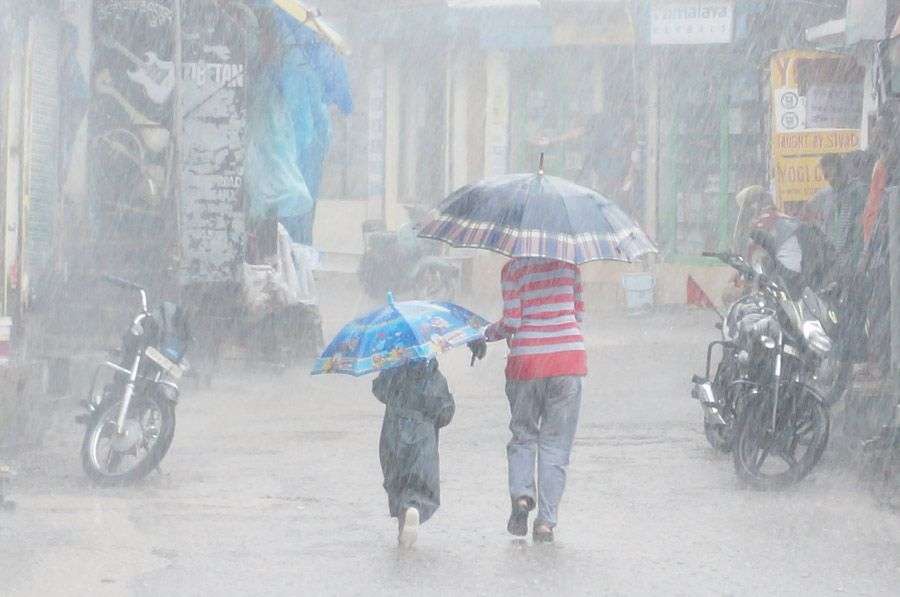
In the middle of summer, when most Indians are getting ready for the heat, something strange is happening. Delhi has seen a lot of rain in March. Mango orchards in Uttar Pradesh are getting flooded by rain that wasn’t planned. In Maharashtra, hailstorms have wreaked havoc on crops, just as farmers were poised to reap their rewards. These aren’t isolated incidents; they’re part of a broader pattern of erratic weather that’s sweeping across India. The India Meteorological Department (IMD) has been sounding the alarm, as of April 2026, about the disruptive effects of these erratic weather patterns on people, crops, and cities. But why are these changes happening at this moment? And what does this mean for a country already facing the consequences of a warming planet?
These problems are signs of bigger changes to come, even if the monsoon is still months away. Let’s take it apart.
A Quick Look at the Mess
Imagine this: On March 15, regions of northwest India saw 50 mm of rain in 24 hours, which is three times the typical amount for that period. Delhi saw its wettest March in decades, with streets flooded and power outages affecting lakhs of houses. In Punjab, farmers saw their wheat fields turn to mush, and in Bihar, early vegetables withered because of rain that came too soon.
The IMD data makes things quite clear:
In March and April, North India saw 20–30% more rain than usual. Hail in Haryana killed over 10,000 animals.
Central belt: Maharashtra and Madhya Pradesh battered by thunderstorms that ruined ₹500 crore worth of rabi crops.
South: Kerala had strange cyclones in February, which is not normal for the pre-monsoon season.
These aren’t just one-time events. Last year, the same patterns caused wheat production to plummet by 15%, which raised food prices by 8%. Climate scientists say this year feels harsher because of a La Niña phase that is changing quickly and human-caused warming.
What is making these crazy swings happen?
India’s weather has always been unpredictable, but it seems like it’s becoming worse. Experts say it’s a mix of things. The first big thing is global warming. According to IMD figures, India’s average temperature has gone higher by 0.7°C since 1901, which has sped up the water cycle. Warmer air can contain more water, which can cause heavy, short rains even when it’s not raining.
Then there are the Pacific’s mood swings. La Niña, which cools the ocean’s surface, often provides too much monsoon rain, but it also messes with the pre-monsoon. Add urban heat islands: Delhi’s concrete jungle traps heat and makes storms worse. Deforestation is a factor; the Western Ghats, which control rain shadows, have lost 20% of their cover since 2000.
People in Nagpur, my hometown in Maharashtra, recall how the seasons used to be. Now? Last week’s hail damaged car roofs and crushed orange groves. Farmer Rajesh Patil from the outskirts of Nagpur says, “We’ve always had variha (variation in weather), but today feels like the sky’s angry.” His tale is like millions of others: bad weather isn’t just a concept; it’s real.
People’s actions seal the agreement. Coal-fired power plants, cars, and factories in India all release pollutants that trap heat. The country has the third highest greenhouse gas footprint in the world, even if it is low per person. These patterns? They are the feedback loop.
Hits to Agriculture: The Breadbasket is Under Attack
India’s crops feed 1.4 billion people, but the weather isn’t cooperating. Wheat, mustard, and legumes are among of the rabi crops that cover 60 million hectares. The Agriculture Ministry said that the rains this season have ruined 5–7% of the crop. Flooded fields in Uttar Pradesh, India’s wheat powerhouse, mean losses of more than ₹2,000 crore.
Here’s a short glance at the damage:
Wheat: A 10 million tonne deficit is expected, which might hurt exports.
Pulses: After the rain, fungal infestations in Bihar and MP caused a 15% decline in yield.
Fruits: In Lucknow, mangoes are ripening unevenly, and in Nashik, hail has damaged grapes.
Farmers do their utmost to adjust. Some people utilize drip irrigation to deal with dry intervals between rains, while others buy expensive insurance. But 85% of India’s farmers are smallholders, and they can’t always do it. Only 40% of the time do government programs like PMFBY do a good job. What if it rains like this all the time? Can our fields keep up?
Farm animals are also hurt. Hail and floods harm animals and make it hard to get food. Last month, 5,000 cows died in Rajasthan. Dairy production fell by 3%, which hurt nutrition in rural regions.
Nightmares and problems every day in the city
Cities are not safe. Mumbai’s April rain made traffic worse, and Bengaluru’s sudden rains inundated tech parks. Delhi’s air, which was already hazardous, got a short cleaning, but at what cost? Waterlogging shut down metro lines, costing the economy ₹100 crore a day.
Health risks go rise. Rain that isn’t normal for the season makes mosquitoes multiply, which leads to more cases of dengue. According to state health data, incidences are up 25% this year in Maharashtra. Heat waves that come between showers might confuse the body. Elderly people in Nagpur are getting more heat strokes.
Power grids are under a lot of stress. Thunderstorms knock down power lines, and demand goes up and down with the need for cooling. This season, NTPC says there have been 10% more outages.
It’s bad for business. Claims for crop and property damage have already reached ₹10,000 crore. Tourism drops—think of the damaged apple blossoms in Himachal or the beaches in Goa that are hit by off-season winds.
The Climate Change Connection: Links That Can’t Be Denied
Is this a shift in the weather? Scientists are very sure that the answer is yes. According to the IPCC’s most recent report, South Asia is a hotspot. By 2050, there will be 30% more days of intense rain than there are now. India’s official Climate Change Assessment says that incidents that aren’t normal have gone higher by 40% since 2000.
Models reveal that warming is moving the monsoon belt north, which makes summer rains come in bursts. El Niño and La Niña make it worse. It’s the same around the world: floods in Australia and heat domes in Europe. But India suffers a lot more because it depends on the monsoon and has a lot of people living there.
What makes it worse here? Pressure from the population. More than a billion people depend on crops that get their water from rain. Adaptation lags: Only 25% of districts have crop types that can handle climate change.
Voices from the Ground: Stories That Stay
When you talk to them, it hits home. Sunita Meshram, a widow from Vidarbha, Maharashtra, lost her chickpea crop to the rains in March. “Two months of work lost.” “Kids go hungry,” she continues, her eyes tired. Relief came late, with a small payment of ₹10,000.
Gujarat’s cooperatives use applications to predict micro-weather, which is different. They salvaged 20% of the crops. Technology helps, but size is important.
Experts weigh in. Mrutyunjay Mohapatra of IMD says, “Expect greater volatility.” The southwest monsoon could be 10% higher than typical, but it could also be unpredictable.
There are many similarities around the world. California’s droughts are like our dry-wet cycles, and Bangladesh’s floods show how weak we are.
Adaptation: What India Is Doing and What It Needs
The government gets to work. The ₹1.5 lakh crore National Mission on Sustainable Agriculture promotes seeds that can withstand stress. The IMD’s monsoon mission can now predict the weather 10 days in advance. Every 20 kilometers, states like Telangana establish meteorological stations.
Urban fixes: Pune’s sponge cities soak up rain, and solar pumps cut down on farm pollution.
But there are gaps. Money is tight—the climate budget is only 2% of the overall. Farmers don’t know much; 60% don’t know about changes to insurance.
Innovation shines: IIT Madras’s AI weather models get hail right 80% of the time. After it rains, startups spray antifungals from drones.
At COP, India promised to become net-zero by 2070. What’s going on? Renewable energy reached 200 GW, yet coal still makes up half of the power mix.
India is shaken by unusual weather. Are changing climate patterns the new normal?