
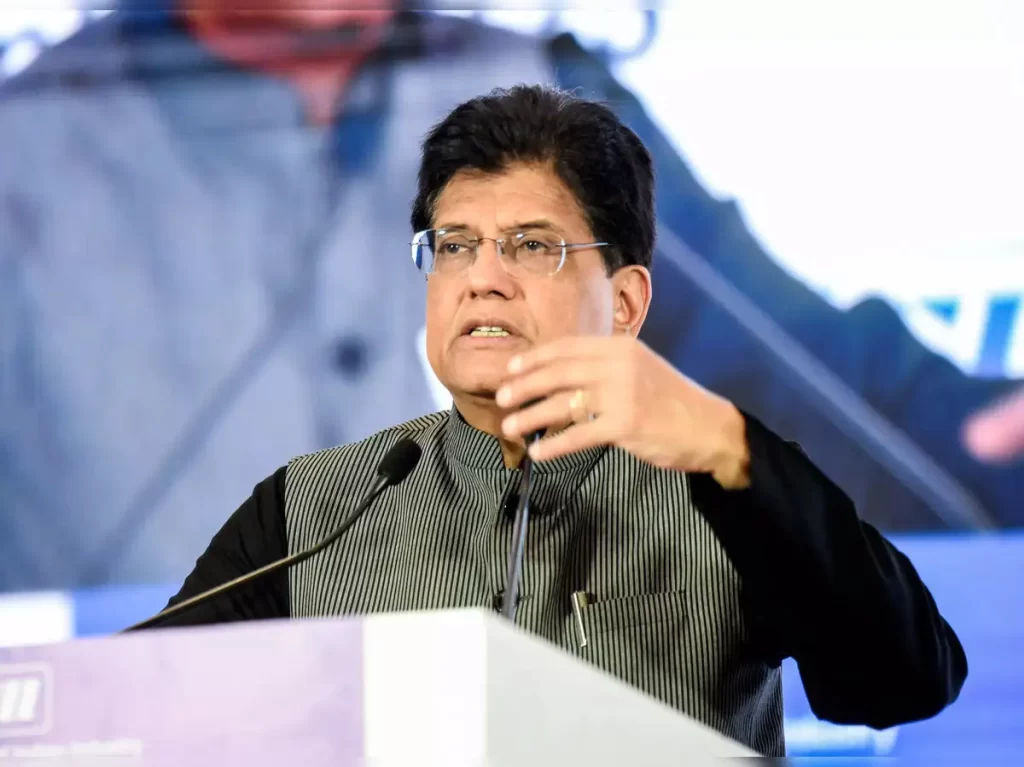
India has indicated a potential shift in its trade diplomacy with Canada, as Commerce and Industry Minister Piyush Goyal confirmed that the government is open to resuming negotiations on a long-pending Free Trade Agreement (FTA). Goyal stated that “all possibilities are on the table,” suggesting a cautious but notable thaw in bilateral relations following a prolonged diplomatic freeze.
Renewed Dialogue After Two-Year Stalemate
According to official discussions, India and Canada have held two ministerial-level meetings in recent months, including one in New Delhi, to assess the scope for rebuilding trade cooperation. These engagements mark the first meaningful outreach since FTA talks were suspended in 2023 due to heightened diplomatic tensions.
The recent reopening of communication channels has been aided by improving political atmospherics, including constructive interactions between Prime Minister Narendra Modi and Canadian Prime Minister Mark Carney on global platforms. These exchanges have helped set the stage for a broader reset in ties.
Key Sectors Poised for Collaboration
Discussions between Indian and Canadian officials have highlighted a spectrum of strategic sectors where cooperation could accelerate if FTA negotiations resume. These include:
- Clean energy and critical minerals, particularly lithium and cobalt, where Canada holds significant reserves
- Supply chain resilience, with a focus on reducing overdependence on single-country sourcing
- Agriculture and agri-tech, traditionally strong pillars of bilateral trade
- Technology and innovation, including artificial intelligence, space technology, and aerospace
- Healthcare and pharmaceuticals, building on India’s established global footprint
Such areas of coordination reflect a broader vision to create a diversified, resilient, and future-ready economic partnership.
Trade Data Underscores Economic Potential
Bilateral trade between India and Canada has demonstrated resilience despite diplomatic headwinds. Total goods and services trade reached nearly USD 24 billion in 2024, driven by strong performance in merchandise exports and services.
Key figures include:
| Trade Indicator (FY 2024–25) | Value |
|---|---|
| Total bilateral trade | USD 23.66 billion |
| India’s exports to Canada | USD 4.22 billion |
| India’s imports from Canada | USD 4.44 billion |
| Growth in India’s merchandise exports | 9–10% year-on-year |
These numbers underscore the economic stakes for both countries. A revived FTA could further reduce tariff barriers, streamline regulatory frameworks, and facilitate substantial investment flows.
Challenges and Strategic Context
The path to renewed negotiations remains complex. Canada had paused FTA discussions in 2023 after raising allegations regarding the killing of a Sikh separatist figure — claims India firmly rejected. While diplomatic tensions have eased, residual sensitivities persist.
Additionally, India is currently prioritizing trade negotiations with several partners, including the European Union, the United States, and multiple Indo-Pacific economies. This crowded diplomatic calendar could influence the pace at which New Delhi re-engages with Ottawa.
Conclusion
Piyush Goyal’s assertion that all options remain open signals a pivotal moment in India–Canada relations. The willingness to revisit the FTA demonstrates pragmatic diplomacy and an acknowledgment of the significant economic opportunities at stake. While political complexities and competing priorities could slow momentum, the renewed dialogue offers a realistic pathway toward a more stable and mutually beneficial trade framework.
If sustained, this recalibrated engagement may eventually deliver a modern, high-impact trade agreement—reshaping economic ties between the two democracies for the long term.

