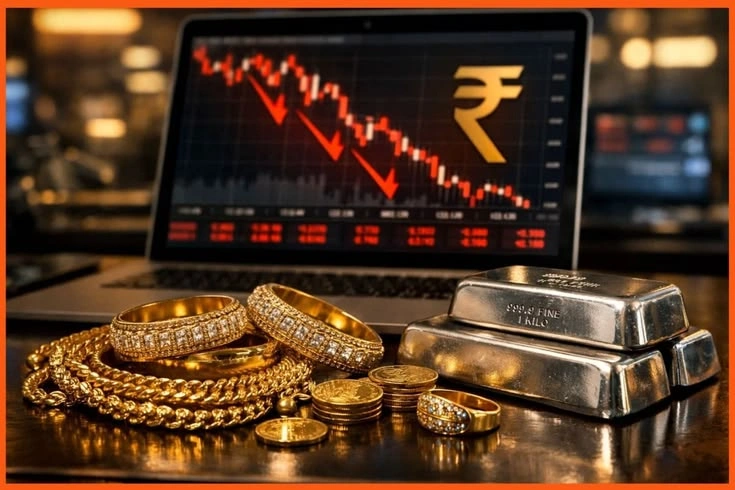
The Indian Finance Ministry has levied a 15% import duty on gold and silver, sending shock waves through the jewelry and investment industries. This would mean a new baseline customs duty of 10 per cent over and above the existing 5 per cent agricultural cess. It was proclaimed as an emergency measure to stop the flood of offshore metal imports which have been eating into foreign exchange reserves and putting pressure on the currency. The increase, already at record highs globally, couldn’t come at a more challenging moment, especially with festival seasons around the corner and India’s love affair with gold showing no signs of abating.
Why is this important today? Trade data released this week showed that India, the world’s second-largest importer of gold, purchased a massive 1,089 tons of the metal in 2025 alone. But it is not only bling, it is a massive slice of the current account deficit, a constant drag on the economy. The rupee has fallen more than 5% versus the dollar this year amid global concerns and officials consider these sparkling imports as a main factor. The government wants to make foreign gold and silver more expensive so that buyers will be attracted to local refining and recycling . This will stabilize the currency , and give local artisans a fighting chance . But will it pan out? Or will it make weddings more expensive for millions?
Understanding the Duty Hike – Getting Into the Numbers
Let’s get into the details. Previously, gold imports attracted a basic customs duty of 6 per cent and a 5 per cent cess for agriculture infrastructure subsidy. Silver was similarly arranged at about 6 per cent. The basic duty is up 10% thus the overall effective rate is now 15% on both metals – a simple sum but with a massive impact.
Gold Impact: One kg of 24-carat gold, say at Rs 75,000 per 10 kilos import price, now costs Rs 11,250 in customs (15% of Rs 75,000). That’s a blow at the wholesaling business.
Silver Surge Silver is the sly gem. Tasks get 11% effective to 15%. That might pressure manufacturers as demand for industrial uses, such as electronics and solar panels, rises.
Exemptions and Loopholes Economic zones and some exports of jewellery are mostly spared, but rough diamonds and platinum are not – levies here remain unchanged.
This is uncharted territory. In 2024, levies were cut to 6% for a short time to reduce inflationary pressures, but then hiked again as imports soared. The Finance Secretary’s office blamed “unsustainable import levels” in its announcement, projecting 2026 numbers at above 1,200 tonnes without intervention. There is an obscure tax called the agricultural cess that channels cash into rural funds. Ironically, gold loans are a lifeline for many farmers.
Why Now? Rupee Troubles, Import Surge
Imagine this: India’s currency reserves are still solid at $650 billion but have fallen a bit due to oil price volatility and a stubborn trade gap. Last year gold and silver imports slurped up $45 billion, more than crude oil certain months. The rupee has weakened quicker than projected and is now at Rs 84 to the dollar as of mid-May 2026. Economists say a “gold rush” has been driven by post-COVID wedding booms and market nerves over US Fed rate reduction.
In early 2026 gold was $2,500 per ounce worldwide, fueled by geopolitical concerns in the Middle East and central bank buying sprees – China alone added 200 tons to its vaults. India couldn’t resist and smuggling networks thrived on duty arbitrage. Official channels imported 20% more in the first quarter of 2026, Commerce Ministry records show. The tariff increase is a blunt instrument to turn things around, boosting ‘Make in India’ for refined gold and recycling of obsolete jewellery.
But here’s a concern for traders: will this truly stem the tide or merely accelerate the underground market? Enforcement has improved with tools such as X-ray scanners at ports, but sources whisper that 20-30% of the gold still enters informally.
Zaveri Bazaar to Rural Pawnbrokers: Ripples Through India’s Gold Heartland
No country worships gold like India. It is not only metal. It is mangalsutras, sovereigns for the newborn and bricks for the rich. Gold prices soared 3% overnight in the buzzing centre of Mumbai’s Zaveri Bazaar after the announcement. Retailers like as Kalyan Jewellers and Tanishq are seeing a pre-buying frenzy with buyers stocking up before the duties bite in fully.
Lakhs work in the thrumming workshops of Tamil Nadu and Kerala in the south, yet raw imports rule. The charge is intended to support local refiners such as MMTC-PAMP, which could enhance capacity. Silver, used for cutlery and electronics, is hitting manufactures in Ludhiana and Jaipur harder as demand for solar panels surges with India’s green push.
Rural India feels it also. Gold loans of Muthoot Finance and other banks crossed ₹1.5 lakh crore in outstanding. Higher prices may squeeze borrowing, but proponents say it stabilises rural savings. The cultural stockpiling is deep. World Gold Council believes that households own 25,000 tons of gold, a hoard that dwarfs government reserves.
Jewellers are not happy. The Gem and Jewellery Export Promotion Council (GJEPC) flags a possible 10-15% drop in exports due to rising input prices eroding competitiveness. Duty free attractions such as Dubai attract trade from far and wide.
Investor Angles: A Boon For Stocks, Headache For Holders?
For those watching the stock market—and you probably are, considering the buzz in Pune’s finance scene—this is an opportunity. Bets on premium pricing power: Titan Company, PC Jeweller shares jump 5-7% on hike announcement. Physical buying slows down, may see inflows into domestic ETF gold funds.
But physical holders become hurt. A family saving for Diwali would be paying Rs 2,000-3,000 extra every 10 grams. Urban India wedding costs, average ₹10-20 lakhs, could rise by 5%. Silver investors pursuing industrial upside are struggling with volatility, prices +25% YoY.
Wider economy? Lower imports might take 0.5% off the CAD, alleviating currency pressure and potentially cutting inflation by limiting luxury spends. RBI may hold off on rate cuts, keep bond yields on hold.
World Reverberations and India’s Part in the Metal Game
This is not an isolated. Turkey boosted taxes to 20% last year in response to economic troubles, Indonesia followed same for nickel. China, the refining behemoth, hoards discreetly, processing 40% of the world’s gold. India’s action is not an isolated case, emerging nations are using tariffs to fight dollar strength.
It’s strategic for India. The $100 billion gems and jewellery sector exports to the US and UAE — taxes might help maintain that advantage if locals step up. But trading partners are watching. WTO regulations limit such increases, though “currency stabilization” allows for some wiggle room.
It’s an environmental win. Better technology to refine it domestically lowers carbon footprints. Importing raw doré bars avoids the ethics of mining.
Smugglers, Protests and Price wars: The Challenges Ahead
It’s not all cheers. Diamond polishing hubs in Surat fear job losses, protest ‘anti-business’ policy of small traders Smuggling syndicates linked to hawala networks could flourish – the ports of Chennai and Kochi are hotbeds. Customs seizures surged 50% last year, but analysts say tariffs over 15% drive shadows.
Consumers adjust quickly. Platforms like Paytm Gold provide fractions of digital gold without storage difficulties and some heat. Lab-grown diamonds are becoming popular as an alternative to gold, but culturally nothing compares the real thing.
What if costs are too high? 2023’s tariff rise saw festive sales sink 10% – will history repeat?
What’s Next: Patch or Stability?
This imposing 15% import charge on gold and silver is a major watershed in India’s economic plan. It is planning significant international purchases to pursue rupee stability and resuscitation of indigenous industry amid global challenges. 15% month-on-month decline in imports as an early indication, a good start.
Ultimately, success depends on execution – scaling up recycling, reducing GST on manufacturing charges and technology up-grades for refiners. If it reduces the CAD without hurting demand, the rupee might strengthen, helping everything from IT exports to petroleum imports. For ordinary Indians, this could mean pricier baubles but a more stable wallet in the long term.
Real test comes on Dhanteras and Akshay Tritiya. Will purchasers come rushing to silver or sovereign gold bonds? Or hunt for deals overseas? One thing is certain: in a country where gold signifies both wealth and wedding vow, policymakers walk a glittering tightrope. And so might the gold tale of India, refined, durable and distinctly ours, as the currency stabilizes.
India takes bold step: Import duty on gold, silver jumps to 15% to protect rupee, help local manufacturers