
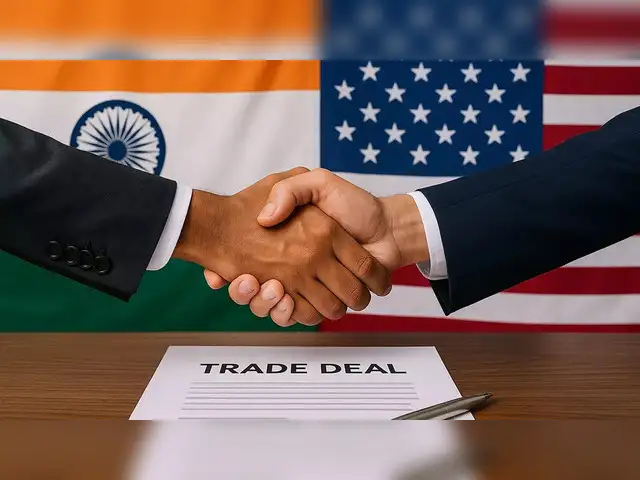
A landmark moment appears imminent in the bilateral trade relations between India and the United States as officials reveal the first phase of a new trade agreement is “more or less near closure.” On November 17, 2025, India’s Commerce Secretary Rajesh Agrawal confirmed that the initial package—focused on resolving retaliatory tariffs and improving market access—is entering its final negotiation stage. The deal could reshape trade dynamics, revive export growth, and reset the economic partnership between the two nations.
The impending agreement aims to tackle the core issue of steep tariffs that Washington imposed on Indian goods. Earlier this year, the US imposed a 25% “reciprocal” tariff on Indian exports, followed by an additional 25% penalty linked to India’s continued purchase of Russian oil—bringing the total to 50% on targeted items. India has long flagged that these heightened duties threaten sectors such as textiles, leather goods, and jewellery, and hamper its ambition to deepen trade with its largest export market.
According to Agrawal, the first tranche of the bilateral trade agreement (BTA) is designed specifically to address the tariff issue. He stated that “we should get a closure soon” on the package covering both the 25% reciprocal tariffs and the 25% oil-related surcharge. This package is being described as the “first phase” of a larger deal: subsequent rounds will deal with broader market access, regulatory issues, and structural trade reforms.
From an economic standpoint, the agreement’s successful closure would mark a turning point. India currently trades over USD 190 billion with the US, and both sides have set an ambitious target of reaching USD 500 billion by 2030. To move toward that goal, resolving tariff impediments is critical. For Indian exporters facing the threat of uncompetitive margins, tariff relief could unlock new growth and supply-chain opportunities.
Key elements under discussion:
| Issue | Status | Significance |
|---|---|---|
| Tariff rollback (reciprocal + penalty) | Nearing closure | Critical to restore Indian export competitiveness |
| US market access for Indian goods & services | Part of subsequent phase | Will determine long-term trade reciprocity |
| Energy/oil trade linkage (India’s Russian oil purchases) | Central to tariff demands | Reflects geopolitics as much as trade policy |
| Bilateral trade target (USD 500 billion by 2030) | Long-term goal | Anchors the strategic depth of the relationship |
India’s Commerce & Industry Minister Piyush Goyal indicated that once the deal is “fair, equitable and balanced,” “you will hear good news.” The Indian side emphasizes that domestic sectors such as farmers, fishermen, and small-industry enterprises must be safeguarded within the pact.
As the first phase of the India–US trade agreement nears completion, stakeholders in both nations are closely watching the outcomes. Resolving tariffs will not only boost India’s exports but also strengthen the bilateral economic partnership. While further phases will address broader market access and regulatory issues, the imminent closure of the tariff package represents a significant step toward a more robust and mutually beneficial trade relationship between two of the world’s largest economies.

