
In a significant economic development, headline retail inflation in India dropped to an unprecedented 0.25% in October 2025, marking the lowest rate since the current data series began. Simultaneously, the Union Cabinet has approved a major export-support package worth approximately ₹45,000 crore, aimed at bolstering the export ecosystem amid global headwinds. Together, these developments are poised to influence monetary policy, trade flows and broader economic stability in India.
India’s consumer price inflation based on the Consumer Price Index (CPI) decelerated to 0.25% year-on-year in October, down sharply from the revised September reading of 1.44%. The sharp moderation primarily stems from a steep fall in food and vegetable prices: food inflation contracted by 5.02%, and vegetable prices declined by 27.57%. Analysts note that two factors played a dominant role: the full-month effect of the recent Goods and Services Tax (GST) rate cuts on essential and everyday items, and favourable base effects from a year earlier when food inflation was high.
Despite the headline softening, core inflation (excluding food and fuel) remained elevated at around 4.4%. Moreover, sequential monthly data show a slight uptick in the overall index by 0.15% in October, indicating the possibility of inflation pressures re-emerging as base effects fade.
The record-low inflation print provides the Reserve Bank of India (RBI) with meaningful head-room for easing its policy stance. Economists widely expect a 25 basis point rate cut as early as December 2025, with the possibility of further reductions into early 2026. A looser policy may help stimulate growth, especially as global trade uncertainties and domestic demand slow-downs linger.
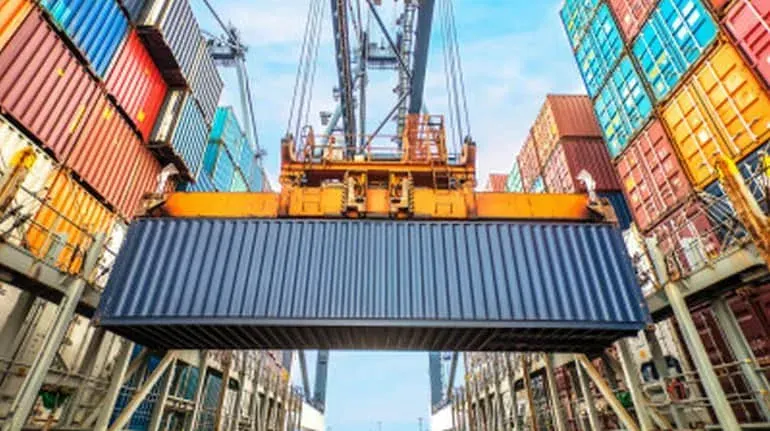
In parallel, the Union Cabinet approved a comprehensive package worth about ₹45,060 crore (approximately US $5.1 billion) aiming to strengthen India’s export ecosystem and cushion MSMEs from global trade headwinds such as high U.S. tariffs. The two-pronged framework includes a six-year Export Promotion Mission with an outlay of ₹25,060 crore and a Credit Guarantee Scheme for Exporters (CGSE) with ₹20,000 crore to expand collateral-free credit guarantees.
These moves are timely given that key Indian exports, including garments, jewellery, and leather goods, are facing up to 50% tariffs from the U.S., eroding competitiveness and weighing on jobs in labour-intensive states. The new export initiative aims to help such industries maintain market access and safeguard employment while promoting diversification into emerging markets.
The dual phenomena of extremely low inflation and proactive export support reflect the Indian government’s twin focus: stabilising domestic demand via lower price pressures, and boosting external sector resilience amid an uncertain global trade environment. Together, they may influence growth prospects for fiscal year 2025-26. While low inflation helps consumer purchasing power, the export stimulus may support job creation and the trade balance. However, analysts caution that the deflation in food prices might reverse, and core inflation pressures remain.
India’s retail inflation slumping to a historic low of 0.25% in October, combined with a hefty export-support package of around ₹45,000 crore, presents a decisive policy moment for the economy. The favourable inflation trajectory offers the RBI flexibility to ease rates, potentially unlocking credit and investment flows. Meanwhile, the export initiative seeks to safeguard external-sector vitality amidst global disruption. Looking ahead, the key will be whether domestic demand rebounds, supply-side constraints remain managed, and inflation pressures stay subdued. If these align, India could set the stage for a more resilient growth phase in FY26.

