June 16:
Iran is reportedly planning to withdraw from the Treaty on the Non-Proliferation of Nuclear Weapons (NPT), intensifying already fragile relations with the West. This development comes amid renewed violence in the Middle East, as Israel confirmed the deaths of at least 24 civilians following a barrage of missile strikes, allegedly launched by Iran-backed militant groups.
According to Iranian state media, top officials have begun internal deliberations on exiting the NPT, a global treaty aimed at preventing the spread of nuclear weapons. The move is being described as a reaction to increasing international pressure, economic sanctions, and alleged sabotage by Western powers, particularly the United States and Israel.
“If Western countries continue their hostile and provocative actions, Iran will have no choice but to reconsider its obligations under the NPT,” said an Iranian Foreign Ministry spokesperson on Sunday. The official added that Iran’s peaceful nuclear program had been continuously misrepresented by its adversaries.
The International Atomic Energy Agency (IAEA) expressed serious concern over the reports and urged Iran to maintain its commitments. Withdrawal from the NPT could allow Iran to expand its nuclear enrichment activities without international monitoring, triggering fears of a potential arms race in the region.
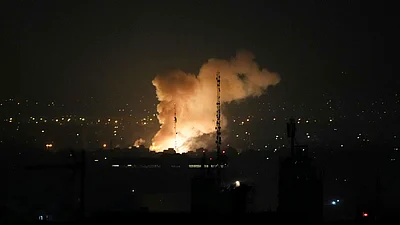
The nuclear standoff coincides with rising hostilities on Israel’s northern borders. On Saturday night, several missiles struck Israeli towns and villages near the Lebanese and Syrian borders. Israeli authorities confirmed that 24 civilians were killed and more than 50 were injured in the attacks.
Israeli defense sources have attributed the missile strikes to Hezbollah and other Iran-backed groups operating in southern Lebanon and Syria. In response, the Israeli Air Force launched targeted strikes on suspected militant hideouts and weapons depots.
Prime Minister Benjamin Netanyahu condemned the attack, stating, “Israel will not sit idly by while our civilians are targeted. We will respond with full force and defend our sovereignty.” He later convened an emergency security meeting to assess the situation.
The United Nations and several world leaders have called for immediate de-escalation. UN Secretary-General António Guterres warned that the situation is “rapidly deteriorating” and urged both nations to return to the negotiating table. The United States reaffirmed its support for Israel’s right to self-defense but also emphasized the importance of avoiding further regional destabilization.
Analysts say Iran’s potential withdrawal from the NPT, combined with ongoing military confrontations, could push the Middle East into a deeper crisis. They warn that diplomatic solutions are shrinking, while the risk of full-scale conflict is rising.
The coming days are expected to be crucial, with global stakeholders watching closely. Any further escalation could have far-reaching consequences not just for the Middle East, but for global security and non-proliferation efforts as a whole.