
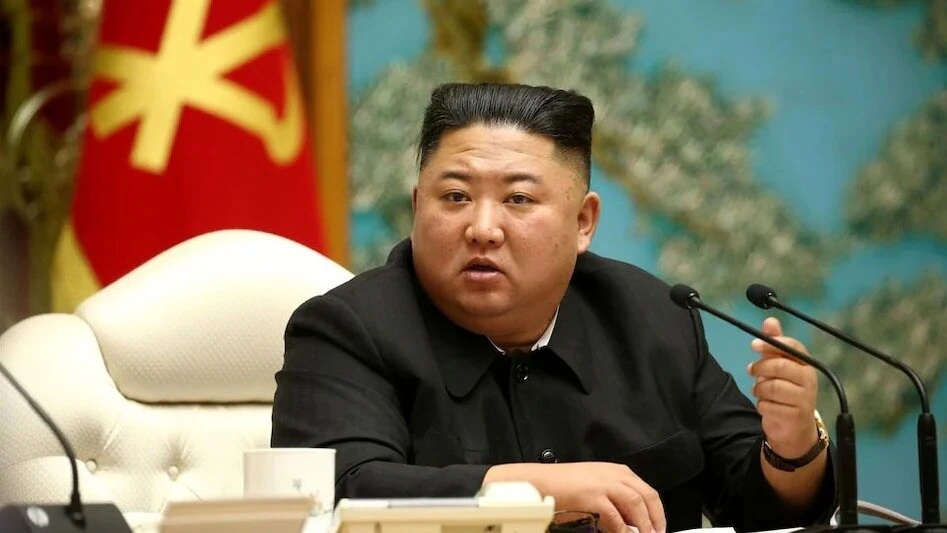
June 17, 2025 — North Korean leader Kim Jong Un is expected to visit India in August 2026, in what could mark a historic step in diplomatic engagement between the two nations. This would be Kim’s first official visit to India and the first-ever visit by a North Korean head of state to the country.
According to diplomatic sources familiar with the matter, early-level talks have commenced between Pyongyang and New Delhi to explore the feasibility of the visit. The move comes as North Korea signals its intention to expand international ties beyond its traditional allies, amid a broader strategy of soft diplomacy and global outreach.
While no formal announcement has been made by either side, sources indicate that security arrangements, protocol details, and a potential agenda are already under discussion. If finalized, the visit would be seen as a notable shift in North Korea’s foreign policy and an opportunity for India to reaffirm its commitment to engaging with all global players through dialogue.
India has maintained limited but consistent relations with North Korea over the years, primarily through humanitarian aid and diplomatic communication in multilateral forums. The two countries established formal diplomatic relations in 1973, but interactions have remained minimal due to Pyongyang’s nuclear ambitions and repeated violations of UN sanctions.
Experts suggest that the visit could focus on cultural exchanges, educational cooperation, and humanitarian dialogue, while sidestepping sensitive areas such as defense or strategic coordination. India has been a vocal supporter of denuclearization on the Korean Peninsula and has routinely condemned North Korea’s ballistic missile launches in line with United Nations resolutions.
Foreign policy analysts see this proposed visit as part of India’s broader diplomatic strategy of maintaining a balanced and autonomous global stance. “New Delhi’s willingness to engage with Pyongyang, even symbolically, indicates a nuanced approach aimed at expanding its diplomatic footprint without compromising on global non-proliferation commitments,” said an international affairs expert.
Kim’s visit is also likely to attract global attention, particularly from countries in East Asia and the West, including the United States, South Korea, and Japan. All three have closely monitored North Korea’s diplomatic movements amid ongoing tensions in the Indo-Pacific region.
The potential visit could also be symbolic of Pyongyang’s desire to project itself as a more cooperative international actor. Since the COVID-19 pandemic, North Korea has remained largely isolated, and the 2026 visit could be part of a calculated return to international diplomacy.
Although details regarding the visit remain speculative, preparations by both nations indicate a serious intent. If the visit materializes, it could open new avenues for bilateral cooperation and contribute to greater regional stability through diplomatic engagement.

